
How to Keep Rodents Out of Your Car This Winter
How to Keep Rodents Out of Your Car This Winter
Summary: Mice look for warm, sheltered spots in winter, and a parked car in a garage or driveway can fit the bill. This guide covers simple habits and garage fixes that help keep rodents out of your car, plus the warning signs and safe cleanup steps if they are already inside.
Every winter, a few drivers around Chicagoland pop the hood and find a nest of shredded insulation tucked beside the engine, or switch on the heat and get a musty smell blowing through the vents. Mice are not picky about where they wait out the cold. A car parked in the same spot night after night, still warm from the evening commute, can look a lot like a furnished apartment to a mouse in Wheaton or Champaign.
The good news is that a few changes to how you park, clean, and store your vehicle can make it far less appealing. This guide covers how to keep rodents out of your car, from closing windows and clearing trash to fixing the garage habits that draw mice in, plus the warning signs that one may already have moved in.
Why Mice Move Into Parked Cars
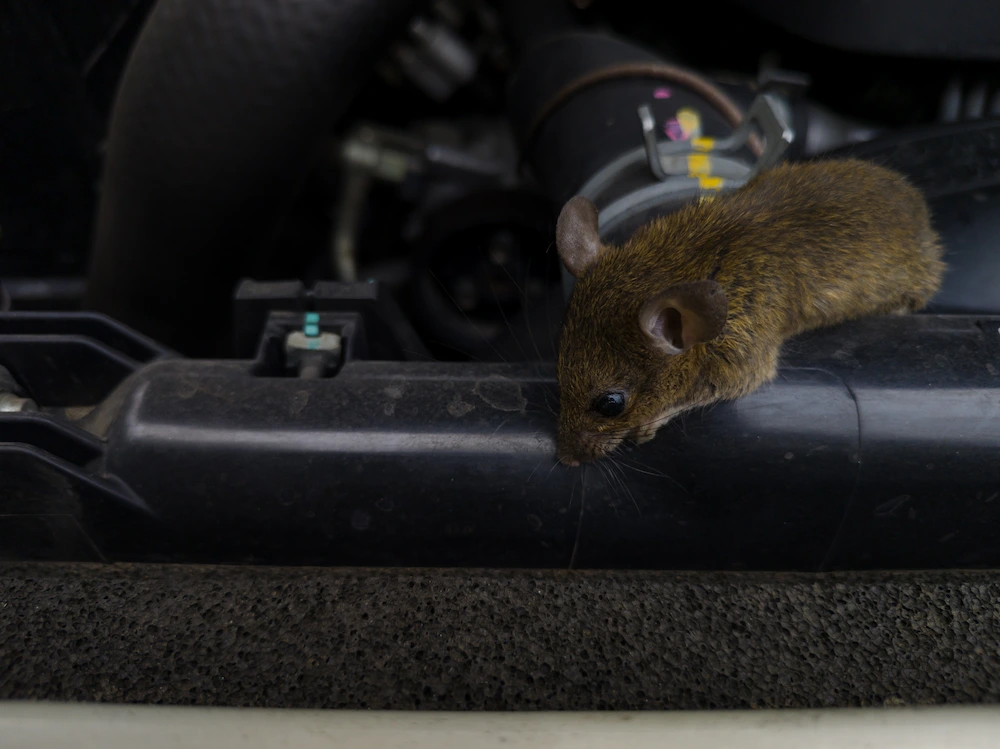
Rodents start pushing indoors once fall turns cold. Rodents become more active in autumn and move indoors in winter to escape the cold, usually finding shelter in lofts and walls. A garage, a carport, or the space under a car parked against the house is right in their path, and a vehicle offers more cover than most people realize.
After a drive, the engine compartment holds heat for a while, which makes it a comfortable place for a small animal to warm up on a frosty night. The engine bay is also full of tight, dark spaces that are hard for predators to reach. Behind that, many vehicles draw outside air into the cabin through an intake near the base of the windshield, and the ducts and air filter housing beyond it can become a nesting spot if a mouse gets in.
What Draws Them to One Car Over Another
Food and quiet are the big factors. A car that hasn’t moved in a week, parked next to a bag of birdseed, will usually attract more attention than a daily driver in a clean garage. Vehicles that sit for long stretches tend to be at the highest risk, including the convertible stored for winter, the work truck that only comes out on weekends, and the second car parked in the back of the driveway.
Location matters too. Homes near open fields, forest preserves, or farmland can see more mouse pressure in late fall, and that includes newer neighborhoods on the edges of Bloomington and Decatur where crop fields sit just past the last row of houses. When the cover from crops and tall grass disappears, mice that lived there go looking for new shelter.
Why Chewing Is the Real Worry
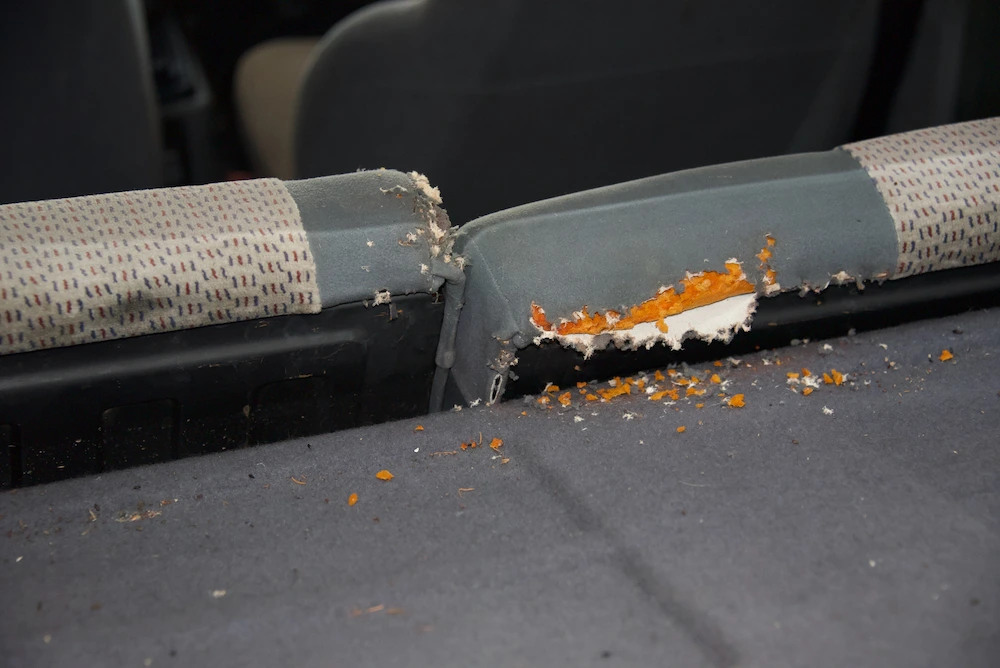
Rodents have teeth that never stop growing, and they chew constantly to keep them worn down. In a house, that means gnawed wood, walls, and electrical wires. Under the hood of a car, the same habit can put wiring, hoses, and insulation at risk, and droppings or nesting material can end up in places that are hard to clean. Damage varies a lot from car to car, so if you suspect chewing, have a qualified mechanic look before assuming the worst or the best.
Everyday Habits That Make Your Car Less Inviting
None of these steps cost much, and most of them take less time than scraping frost off the windshield. The point is to remove the food, the easy openings, and the long stretches of quiet that mice look for.
Keep the Windows and Sunroof All the Way Up
Cracking a window to keep the car from fogging up, or leaving the sunroof vented on a mild day, gives a mouse a direct route into the cabin. A mouse can squeeze through a surprisingly small gap, and once it is inside, the seats, floor mats, and headliner offer plenty of soft material to pull apart. Close every window fully, check the sunroof seal, and keep the doors and trunk shut when the car is parked in the garage.
Throw Out the Trash and the Snacks
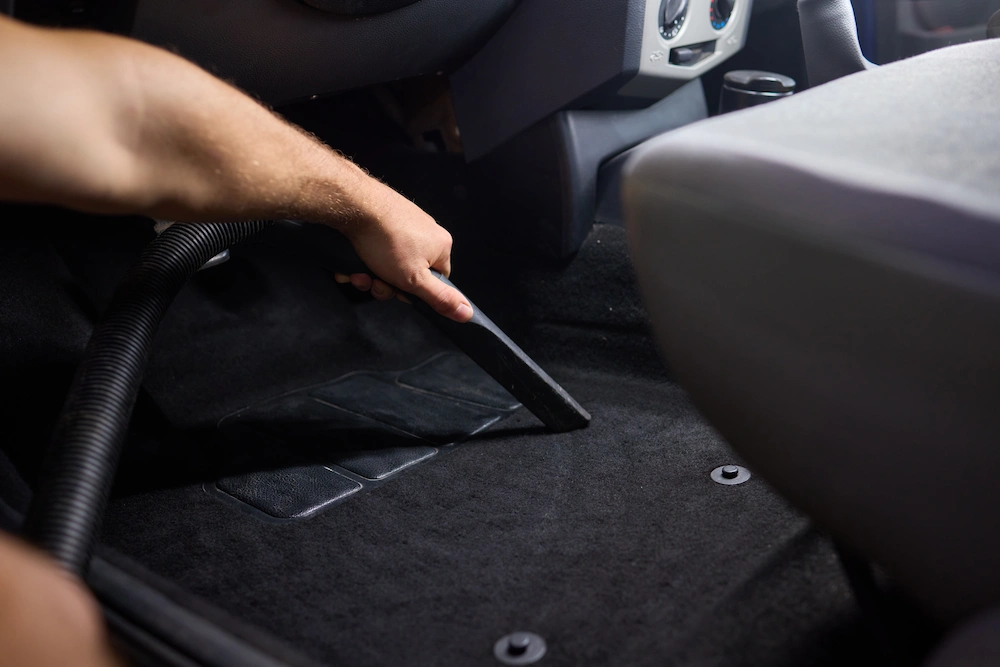
A fast food bag on the passenger floor, a few cereal pieces in a car seat, or a forgotten granola bar in the door pocket is an open invitation. Even wrappers and empty cups carry enough smell to draw interest. Make it a habit to clean out food and trash every time you get home, and give the car a quick vacuum every week or two, paying attention to the gaps between seats and underneath child seats, where snacks tend to collect.
Pet owners should watch for spilled kibble or treats, and anyone who hauls birdseed, grass seed, or pet food home should get it out of the trunk the same day. Those bags can sit back there for days without anyone noticing, which is exactly the kind of steady food source rodents want.
Drive It, or Make It Less Cozy While It Sits
A car that runs most days is a less attractive home, since nests get disturbed and the engine bay keeps changing temperature. For a vehicle that will sit for weeks, some owners leave the hood propped open in a closed garage so the engine bay stays bright and exposed. Check under the hood every week or two on stored vehicles, and look at the air filter box and the area around the battery for nesting material.
Store-bought repellents, including peppermint oil, scented pouches, and ultrasonic devices, get mixed reviews. Some people swear by them, but results are inconsistent, and none of them replace taking away food and shelter. If you try one, treat it as an extra layer, not the main plan.
Fix the Garage and the Parking Spot
For most homes, the car only has a rodent problem because the garage has one first. Mice that get into an attached garage have warmth, shelter, and often a path into the house itself. Pointe’s rodent control services start with that bigger picture: its technicians walk the perimeter of the home, identify potential entry points, and seal them up, and they handle outdoor infestations in spaces such as sheds as well.
Close the Gaps Around the Garage
The rubber seal along the bottom of the garage door wears out, cracks in the cold, and gets chewed. If you can see daylight under the door when it is closed, a mouse can likely get through. Replacing a worn bottom seal and checking the weatherstripping along the sides of the door are some of the most useful fixes for this problem. Look at the service door too, along with the spots where pipes, wires, and dryer vents pass through garage walls.
Inside the garage, what you store matters as much as how it is sealed. Here is a short list worth working through before the coldest weeks arrive:
- Move birdseed, grass seed, and pet food into metal or heavy plastic bins with tight lids.
- Get boxes, rags, and old moving blankets off the floor, since mice shred them for nesting material.
- Keep firewood stacked outside, off the ground, and away from the garage walls.
- Keep the area around the parking spot open enough that you can spot fresh droppings on the floor.
- Store garbage and recycling cans with tight lids, and rinse out food containers before tossing them.
If You Park Outside
Driveway and street parking take away the garage problem, but the surroundings still matter. Avoid parking right next to a woodpile, a pile of leaves, tall ornamental grasses, or a bird feeder, since all of them can shelter or feed mice. Keeping the driveway edges trimmed and raking out leaf piles near where you park can make a difference over a long winter, especially in Central Illinois neighborhoods that back up to open ground.
Signs a Mouse Has Already Moved In
Catching a problem early makes it much easier to deal with. Pay attention to these clues, especially on a car that has been sitting for a while:
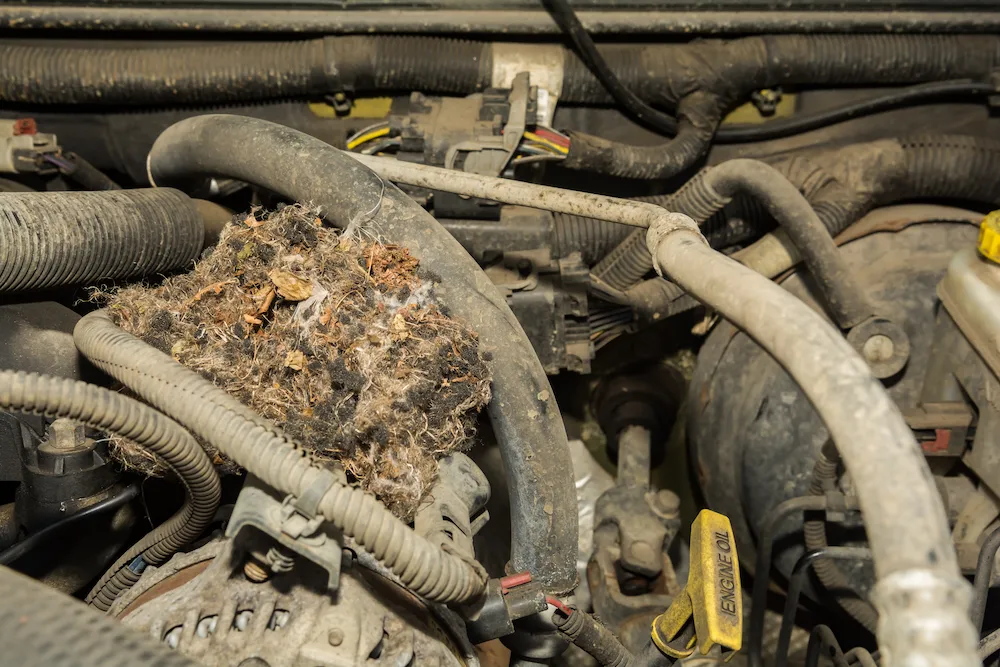
Small dark droppings on the engine cover, on top of the battery, or on the floor mats are one of the clearest signs. Shredded paper, fabric, or insulation in the engine bay or the air filter housing means something has been nesting. A stash of seeds, acorns, or pet food in an odd spot under the hood usually points to a rodent stockpiling food. A musty or sour smell when the fan comes on can mean there is a nest or droppings in the ventilation system.
If a warning light suddenly appears on the dash after the car has been parked for a while, mention possible rodent activity to your mechanic. Chewed wires are not always easy to spot without the right tools and lighting.
Cleaning Up Safely
Rodent droppings and urine can carry disease, and sweeping or vacuuming dry droppings can send particles into the air. Wear gloves, open the doors to air the car out, and dampen droppings and nesting material with a disinfectant before wiping them up instead of sweeping or vacuuming them dry. Bag everything, wash your hands well afterward, and contact a doctor if anyone in the household feels unwell after a cleanup. If droppings are in the ventilation system, the cabin air filter may need to be replaced, so check your owner’s manual or ask your mechanic.
Keep Your Car and Garage Mouse-Free in Wheaton and Beyond

Keeping rodents out of your car comes down to a few steady habits. Roll the windows all the way up, clean out trash and snacks, move seed and pet food into sealed bins, and fix the gaps around the garage door before winter really sets in. Check under the hood on cars that sit, and act fast if you spot droppings or nesting material.
If mice keep showing up in the garage or the car no matter what you do, the problem is usually bigger than the vehicle. Our Wheaton rodent control team can track down where they are getting in and help close it off. Pointe also helps homeowners in Glen Ellyn, Elmhurst, and Schaumburg, as well as Champaign and Decatur, so wherever you park this winter, a call can help keep mice out of the garage and away from your car.
Contact us for a free quote on our efficient services today!
Citations
Don’t let rodents take up residence in your vehicle this winter. (2020, February 4). Pest World. Retrieved November 9, 2026, from https://www.pestworld.org/multimedia-center/press-releases/don-t-let-rodents-take-up-residence-in-your-vehicle-this-winter/
Request a Free Quote Today
(We do not share your data with anybody, and only use it for its intended purpose)
