
How Routine Pest Inspections Protect Your Home by Finding Problems Early
How Routine Pest Inspections Protect Your Home by Finding Problems Early
Summary: Routine pest inspections can uncover hidden infestations, entry points, moisture problems, and other warning signs before they develop into larger issues.
Pest problems do not always begin with an obvious trail of ants across the kitchen or rodents running through the garage. Many infestations develop quietly in areas homeowners rarely inspect, including wall voids, crawl spaces, attics, basements, and around foundations. By the time pests become easy to spot, they may have already established themselves.
Routine pest inspections give homeowners an opportunity to identify activity before a minor issue turns into a larger infestation. Regular inspections can also uncover conditions that attract pests, allowing you to correct those problems before insects or rodents take advantage of them.
Why Pest Problems Can Be Easy to Miss
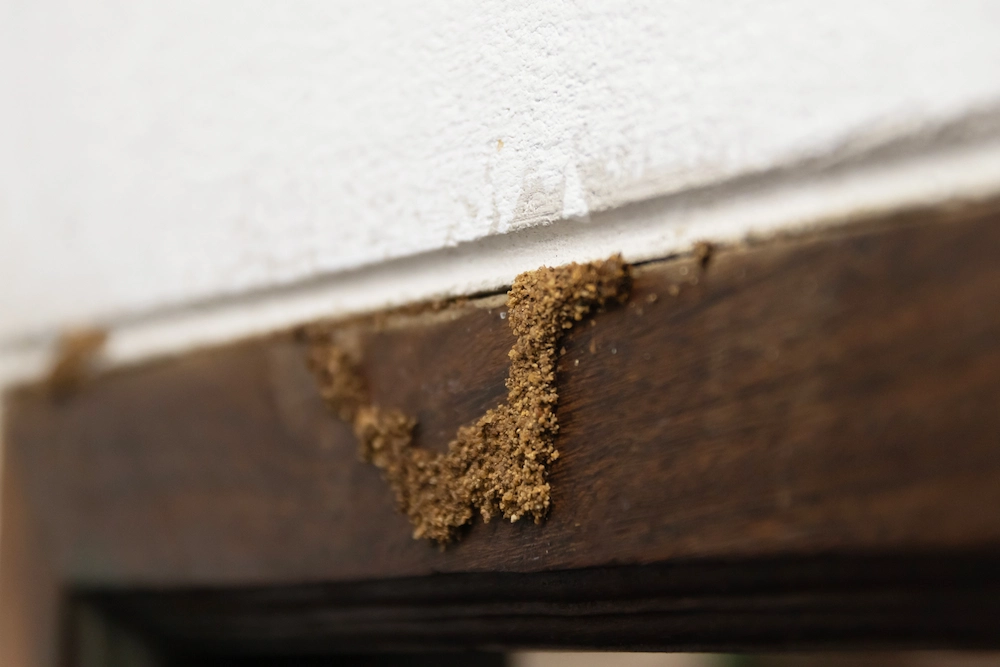
Many household pests naturally avoid people and remain hidden during the day. Rodents may travel behind walls, termites can feed inside wood, and cockroaches often stay in dark areas until nighttime. This behavior means an infestation can develop without producing obvious warning signs.
Even when pests leave evidence behind, those clues can be easy to overlook. Small droppings, damaged wood, shed insect skins, unusual odors, or tiny entry points may not seem significant on their own. A routine inspection looks for these subtle signs and considers how they may be connected to a larger pest problem.
Routine Inspections Help Catch Infestations Early

One of the biggest advantages of regular inspections is early detection. A small number of pests is generally easier to address than a well-established population that has had time to reproduce or spread to other parts of the property.
Early identification is particularly important for pests that can remain concealed for extended periods. Finding activity before extensive damage or contamination occurs gives homeowners more time to respond and address the source of the problem.
Routine inspections can also establish a clearer picture of pest activity over time. Changes around the property, including new moisture problems or damaged exterior materials, can be identified before they create favorable conditions for pests.
What Areas Should Be Checked for Pest Activity?
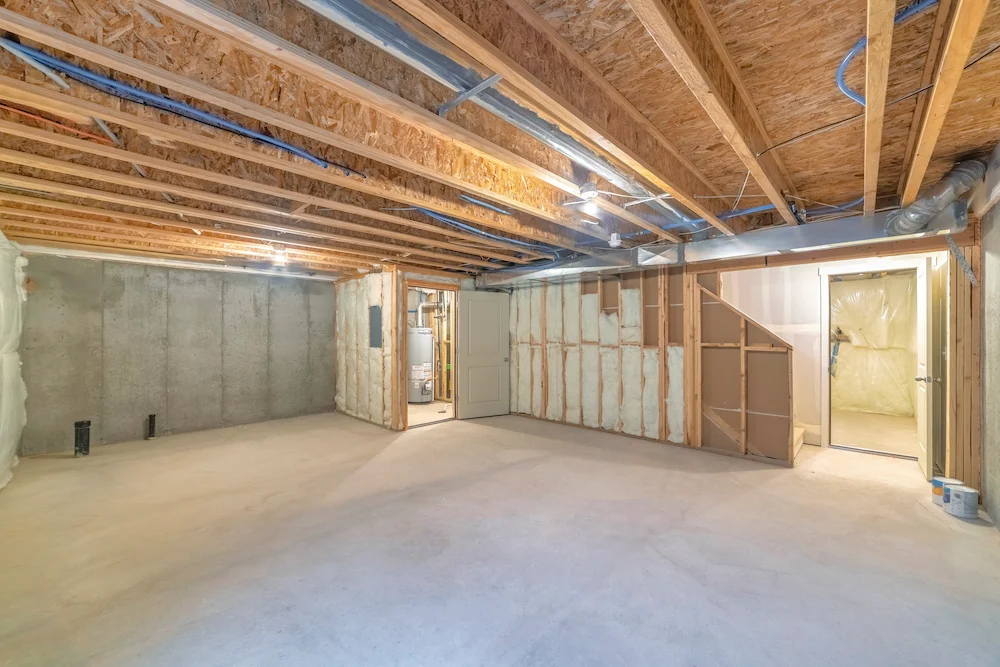
An effective pest inspection should cover more than the rooms where homeowners spend most of their time. Pests often establish themselves in quiet areas with easy access to food, water, or shelter.
Important areas to inspect include:
- Basements, crawl spaces, and attics
- Areas beneath sinks and around plumbing
- Garages and storage spaces
- Doors, windows, and foundation openings
- Exterior walls and areas around utility lines
Outdoor conditions matter too. Firewood, dense vegetation, standing water, overflowing trash, and debris near the foundation can attract pests and provide hiding or nesting areas close to the home.
Inspections Can Reveal Entry Points
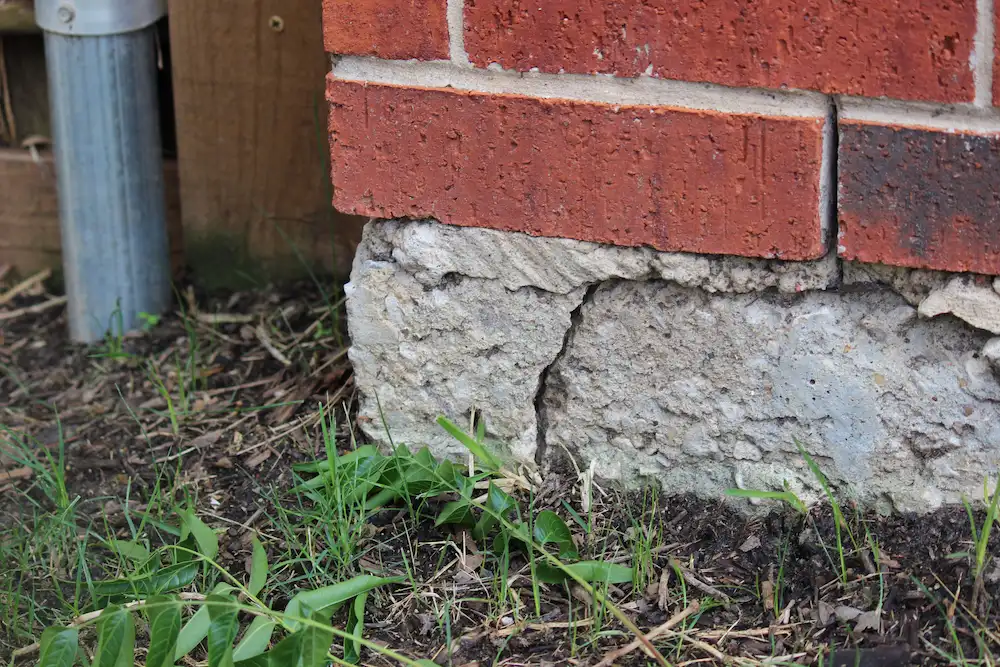
Pests do not need a wide-open door to enter a home. Small cracks in the foundation, damaged weather stripping, torn screens, and gaps around pipes or utility lines can provide enough room for insects and rodents to get inside.
Regularly checking these vulnerable areas makes it easier to find and repair openings before pests begin using them. Sealing potential entry points can be especially useful as seasons change and pests start looking for food, moisture, or protection from outdoor temperatures.
An inspection may also reveal deterioration that was not originally caused by pests but could make entry easier. Addressing these maintenance issues can strengthen your home’s defenses against future infestations.
Moisture Problems Can Attract Unwanted Pests
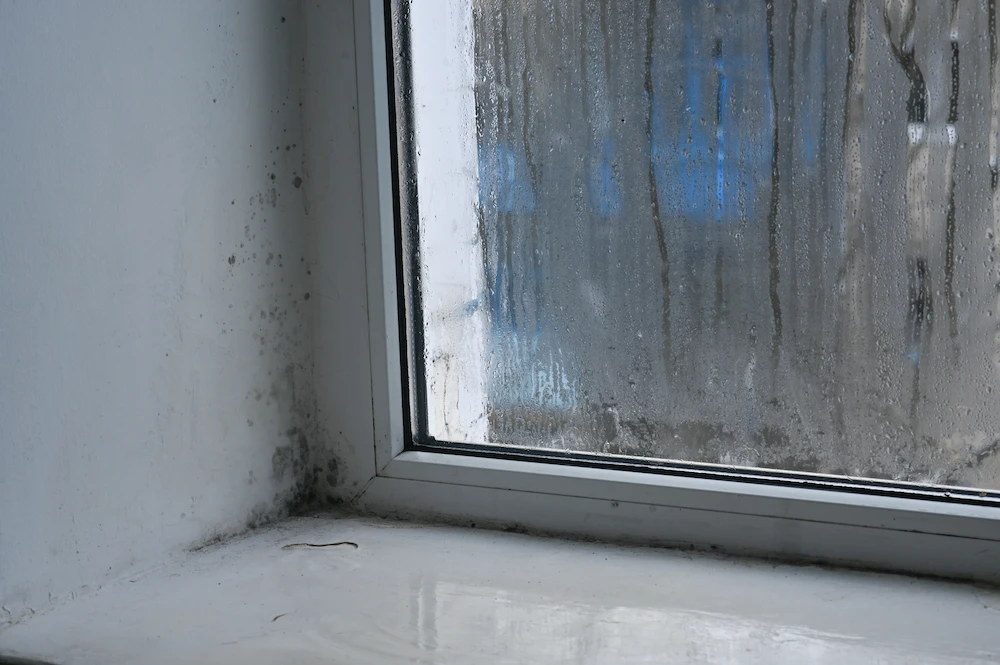
Food is not the only resource that brings pests indoors. Moisture from plumbing leaks, clogged gutters, condensation, or poor drainage can create favorable conditions for many insects.
Checking beneath sinks, around appliances, near basement walls, and along the home’s exterior can help uncover moisture problems before they contribute to pest activity. Repairing leaks and improving drainage removes resources pests may depend on.
Routine inspections are especially useful because moisture issues can develop gradually. A small leak that is easy to overlook today could eventually create a damp environment where pests can thrive.
Regular Inspections Can Help Prevent Property Damage
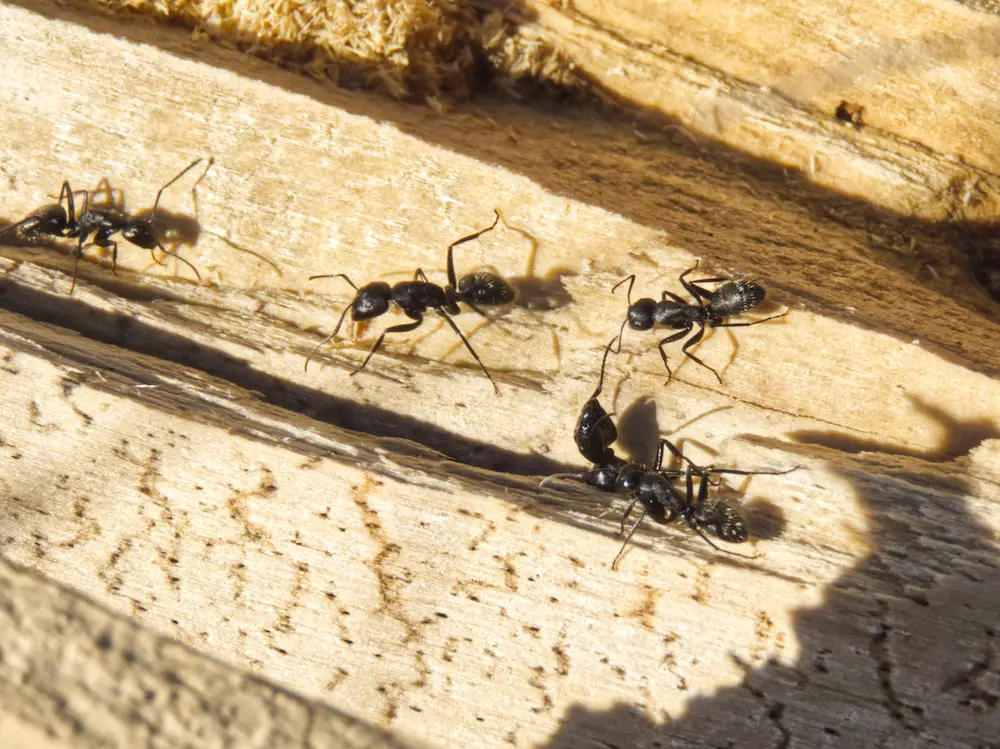
Certain pests can cause damage while remaining largely out of sight. Termites can feed within wooden structures, carpenter ants can excavate wood for nesting, and rodents may gnaw on stored belongings and building materials.
Finding warning signs early can help limit the amount of time these pests have to cause damage. Homeowners can then investigate the source and determine what treatment or repairs may be necessary.
Routine inspections are therefore about more than finding visible pests. They can also reveal changes in the home that suggest hidden activity requiring closer attention.
What to Do When You Find Signs of Pests
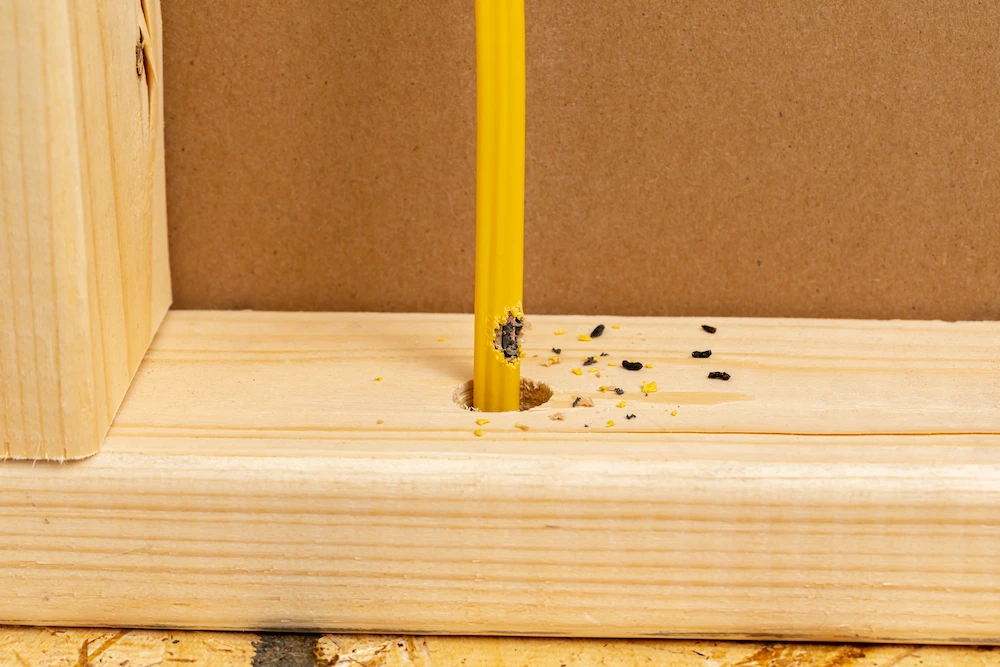
Finding pest activity during an inspection does not necessarily mean there is a major infestation. The important thing is to investigate rather than ignore the warning signs.
If you discover droppings, damaged materials, recurring insect activity, nests, or unexplained noises, try to determine where the problem is concentrated. Avoid disturbing nests or potentially dangerous pests, especially stinging insects.
When the source cannot be identified or pest activity continues, a professional inspection can help determine which pest is present and what conditions may be supporting the infestation.
Make Pest Inspections Part of Home Maintenance
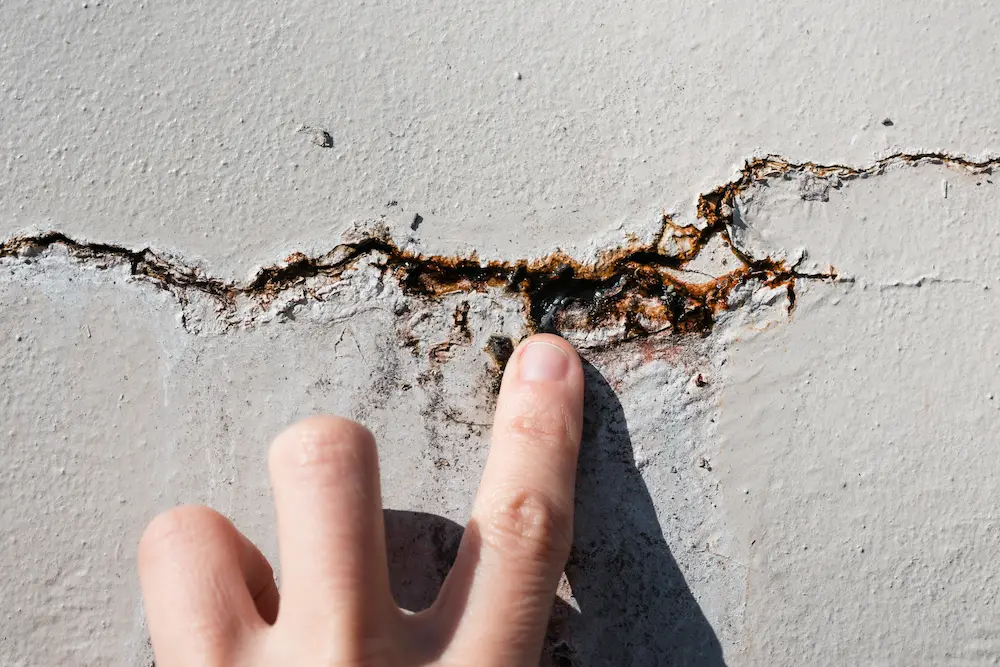
Routine pest inspections work best when they become part of regular home maintenance rather than something homeowners consider only after discovering an infestation. Periodically checking vulnerable areas can reveal both pest activity and the conditions that make future problems more likely.
Finding pest problems early gives homeowners more options for addressing them before they spread, reproduce, or cause additional damage. Staying observant and correcting entry points, moisture problems, and other attractants can help protect your home throughout the year. For professional protection from invasive pests, contact us for a free quote on our efficient services today!
Citations
How pest inspections catch problems early. (n.d.). PestNation. Retrieved August 17, 2026, from https://www.pestnation.com/blog/how-pest-inspections-catch-problems-early
Request a Free Quote Today
(We do not share your data with anybody, and only use it for its intended purpose)
