
Does Snow Affect Pest Treatments? How Winter Service Works in Illinois
Does Snow Affect Pest Treatments? How Winter Service Works in Illinois
Summary: Pests are still active in winter, especially if they gain access to a house. This blog explores the different ways that snow may affect pest treatments and the intentional steps that technicians take to target pests in winter.
Winter in Illinois often feels like a pause. Lawns go dormant, outdoor activity slows, and snow blankets the ground for weeks at a time. Many homeowners assume pests disappear along with the warm weather. That assumption usually changes the first time scratching is heard in a wall, a spider shows up in the basement, or ants appear near a sink during a midwinter warm spell.
The reality is that winter pest treatments are still necessary. They simply operate under different conditions. Snow and freezing temperatures change how pests move and where technicians focus their work. Instead of broad outdoor applications, winter service becomes more precise, targeting the areas pests rely on to survive the cold months.
Homeowners in the western suburbs often notice winter activity first, which is why professional pest control in West Chicago homes becomes especially important once temperatures drop and snow limits exterior access.
Does Snow Affect Pest Control?
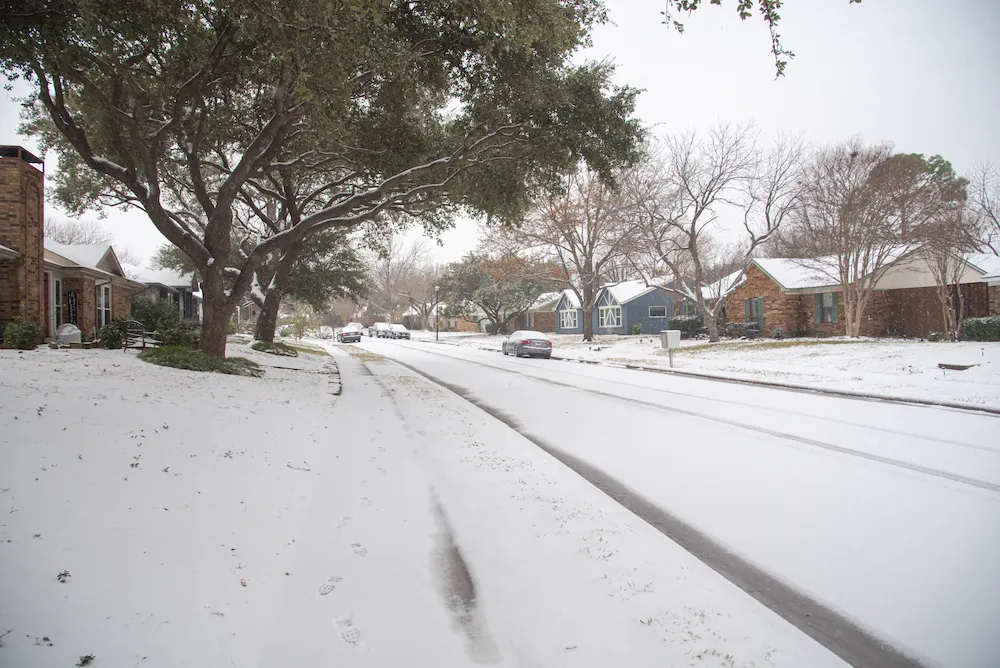
Yes. Snow and cold weather directly influence how pest control services are performed. Certain products require dry surfaces or specific temperature ranges to function properly. When snow covers the ground or ice forms along foundation lines, some exterior treatments are no longer effective or accessible.
That does not mean pest control stops in winter. It means the strategy changes. Technicians shift from wide perimeter applications to inspection, monitoring, and targeted treatment in areas that remain accessible and relevant during cold weather. In many cases, winter service focuses on prevention just as much as active control.
Why Winter Changes Application Methods
As temperatures fall, most insects slow down and retreat into protected spaces. Rodents behave differently. Mice and rats remain active and intensify their search for warmth, food, and shelter. Snow compresses their movement paths, often pushing them closer to buildings and inside structures.
This is why pest treatment during winter looks different from warm-season service. Liquid applications on frozen or wet surfaces may not bond properly. Areas buried under snow cannot be treated at all. At the same time, winter inspections often reveal clearer signs of activity, such as droppings in garages or rub marks along baseboards.
This shift is the foundation of adjusting pest treatments in cold weather. The objective remains pest reduction and prevention, but the tools and placement change to match winter conditions.
Exterior vs Interior Pest Treatments in Winter
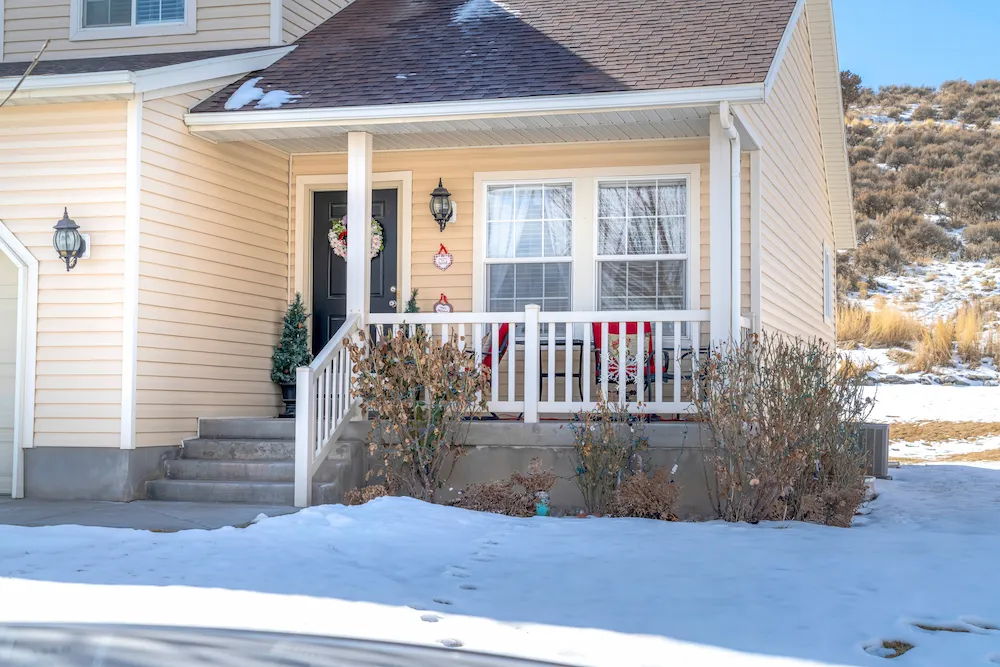
During winter, exterior service becomes selective rather than expansive. Instead of treating the entire perimeter, technicians focus on entry points and exposed sections that pests use to get inside. These areas remain critical even when most of the ground is snow covered.
Interior service takes on a larger role during the colder months. Pests that make it indoors tend to stay there, drawn by stable temperatures, food sources, and moisture. Successful winter plans often combine inspection, interior treatment, and exclusion recommendations to reduce current activity and prevent future infestations.
Understanding the balance between exterior vs interior pest treatments in winter helps homeowners set realistic expectations and see the value of continued service even when snow limits outdoor work.
What Can Still be Treated Outside When Snow is Present
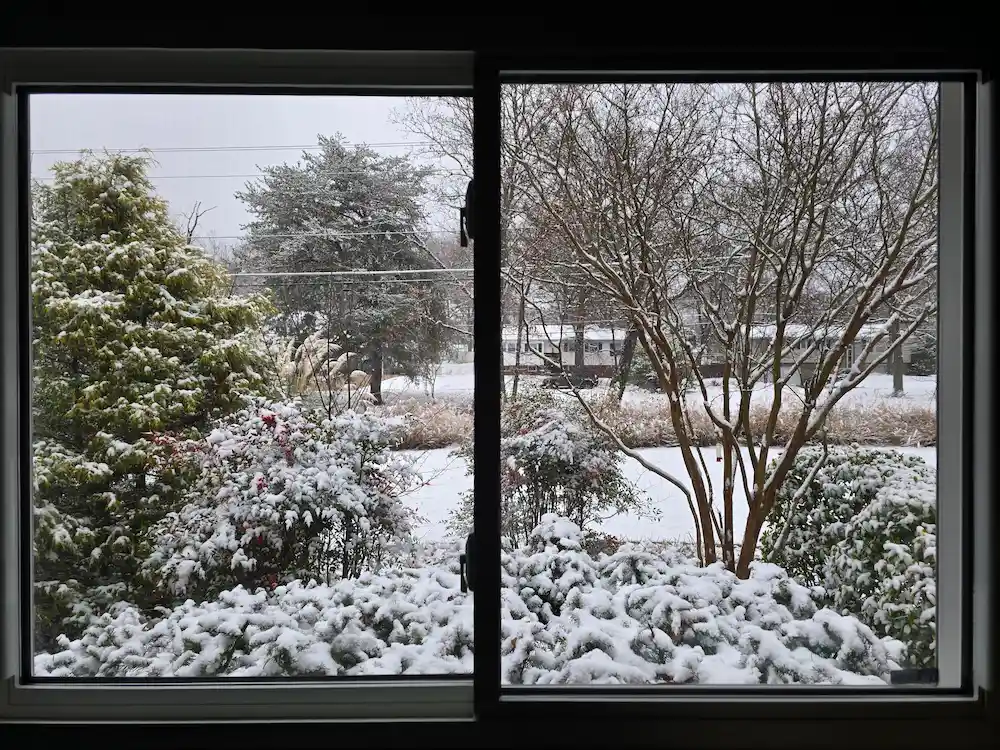
Snow does not automatically eliminate exterior treatment options. When areas remain exposed, technicians can still address key access points that pests rely on before entering a structure.
Common winter exterior focus areas include:
- Door and window frames, especially around garages
- Utility penetrations such as pipes, cables, and line sets
- Covered porch corners, soffits, and sheltered siding seams
- Exposed foundation sections near walkways or patios
When snow fully covers the ground, exterior service shifts toward inspection and planning. Identifying gaps, documenting vulnerable areas, and preparing for spring treatments still adds value during a winter visit.
What a Winter Interior Plan Looks Like

Interior winter service typically begins with a detailed inspection. During winter, pest activity indoors is closely tied to heat, food availability, and moisture. Kitchens, bathrooms, basements, utility rooms, crawl spaces, and attached garages receive the most attention.
From there, technicians select methods that perform reliably indoors. This may include targeted bait placements, crack and crevice treatments, or void applications where appropriate. Rodent work often centers on identifying entry points, placing traps along travel routes, and addressing conditions that allow pests to remain comfortable.
Homeowners can support professional service by addressing contributing factors:
- Store pantry foods in sealed containers
- Reduce clutter in basements and garages
- Repair slow leaks and improve ventilation in damp areas
- Replace worn weather stripping on exterior doors
These steps do not replace professional treatment, but they improve outcomes and reduce recurring activity.
Which Pests Remain Active During Illinois Winters
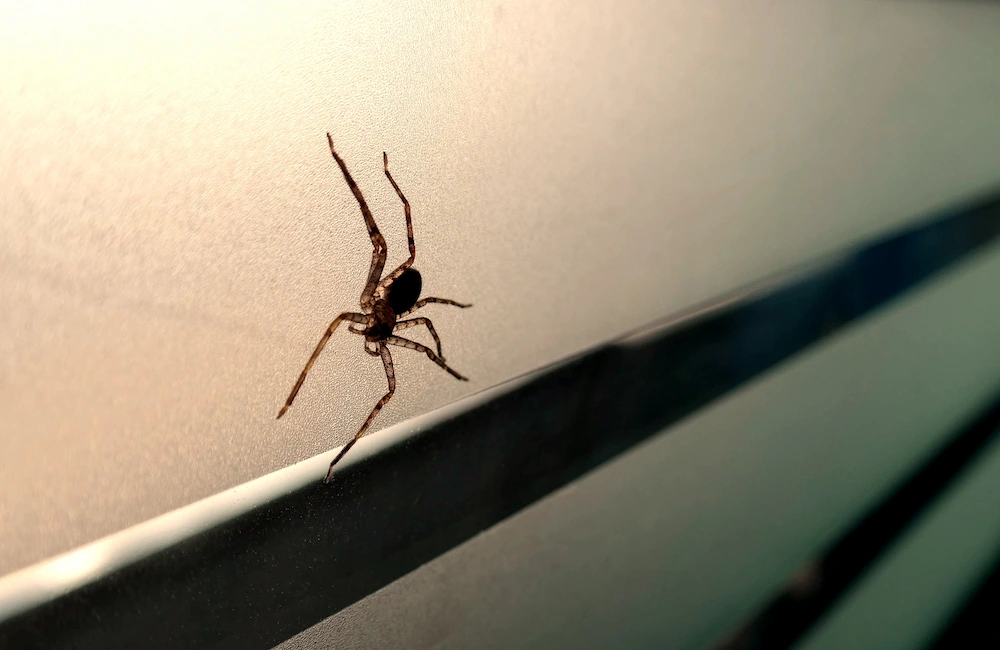
Cold weather does not eliminate pests. It relocates them. In Illinois, winter complaints most often involve rodents because mice and rats can enter through very small openings and thrive inside walls and insulation.
Several insects also remain active indoors year-round. Cockroaches persist in warm kitchens and basements, spiders settle into quiet corners, and occasional invaders may appear during brief warm periods. Ants can continue to forage indoors if food or moisture is available.
This is why winter pest control methods are preventative as well as reactive. Stopping an entry point in January can prevent larger problems in spring. Reducing indoor insect activity during winter helps keep populations from rebounding once temperatures rise.
When to Schedule Winter Service and What to Expect
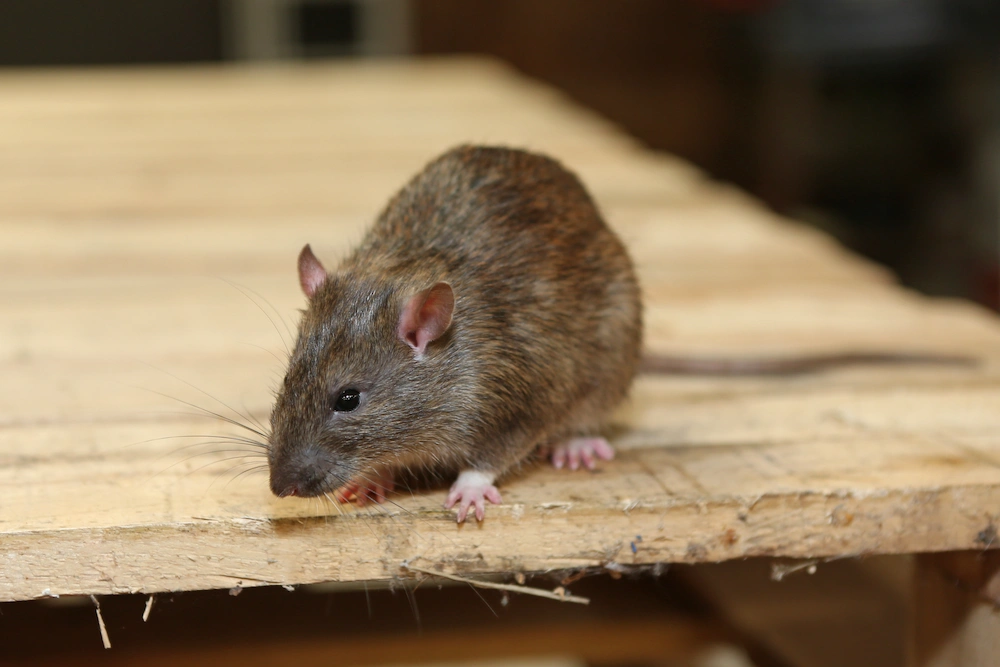
If pests are already present indoors, waiting until spring often allows the problem to grow. Rodents can nest, chew wiring, and contaminate insulation over several months. Insect activity can spread through wall voids and shared spaces.
If no activity is visible, winter is still an effective time for inspection and prevention. Technicians can identify vulnerabilities, recommend exclusion work, and prepare a treatment plan for when exterior conditions improve.
If pests are active now, the most effective next step is to schedule a winter pest inspection with Pointe Pest Control before spring conditions allow populations to expand.
Final Takeaway
Snow changes how pest control is performed, not whether it is needed. Winter service emphasizes inspection, precision, and interior protection while maintaining a preventative focus for the months ahead.
Consistent winter service helps resolve current issues and reduces the likelihood of larger infestations once warmer weather returns. For Illinois homeowners, winter is not a break from pest pressure. It is a shift in how that pressure is managed. Contact us for a free quote on our year-round pest control services!
Citations
Harney, C. (2025, January 2). Is winter pest control actually important?. Green Pest Services. Available at https://greenpestservices.net/is-winter-pest-control-actually-important/ (Accessed on January 12, 2026).
Request a Free Quote Today
(We do not share your data with anybody, and only use it for its intended purpose)
