
How to Protect Your Home Against Invasive Fall Pests
How to Protect Your Home Against Invasive Fall Pests
Summary: A practical homeowner guide to stopping fall invaders—like stink bugs, boxelder bugs, and mice—before they get inside. Learn how to seal, dry out, fortify, and protect your home using simple, effective prevention methods from Pointe Pest Control.
When nights turn crisp, pests start shopping for a warm place to overwinter—and your home looks like a five‑star resort. Boxelder bugs, stink bugs, cluster flies, Asian lady beetles, spiders, and mice all follow the same playbook: find tiny gaps, slip inside, and hunker down until spring.
Good news: you can take simple, targeted steps now to make your house tough to invade. Below we’ll show you how to seal, dry out, clean up, and monitor like a pro so you can enjoy a calm, pest‑free fall and protect your home from these invaders.
1) Start with a smart perimeter inspection

Walk the outside of your home on a sunny afternoon and look from the ground up. Focus on where materials meet: siding-to-foundation joints, around utility lines and hose bibs, under door thresholds, and along window frames. Bring a flashlight and a notepad. If a credit card can fit in a gap, a fall invader can probably squeeze through it.
2) Seal entry points the right way
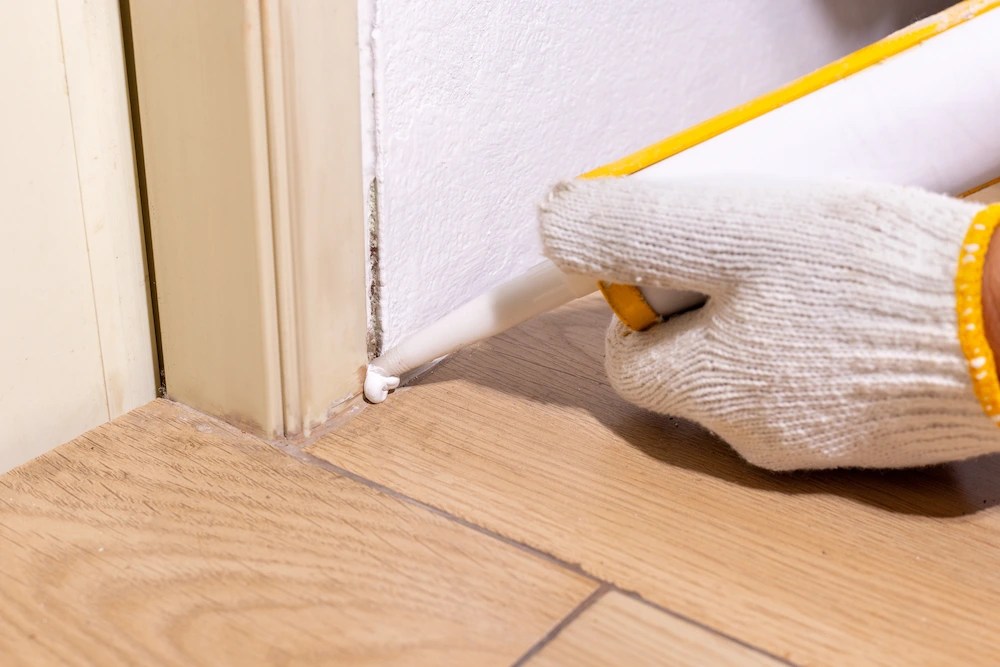
Caulk hairline gaps around frames and trim with exterior-grade, paintable siliconeized latex. Fill wider voids (1/4–3/4″) with backer rod first, then caulk for a long‑lasting seal. Use polyurethane spray foam around cable and plumbing penetrations, then trim and paint for UV protection. Add door sweeps on exterior doors (you shouldn’t see daylight), replace cracked threshold gaskets, and swap damaged window screens for new 18×16 mesh. Don’t forget attic and crawl vents: repair rusted covers and screen with 1/4″ hardware cloth to stop rodents.
Bonus upgrades that pay off all winter: install a chimney cap, seal the gaps under garage-to-house fire doors, and weatherstrip the attic hatch. These projects dramatically reduce how many bugs you’ll see and help seal entry points against bugs before they wander in.
3) Manage outdoor lighting and landscaping

Many fall insects are attracted to light and warmth. Swap bright white bulbs for warm‑spectrum LEDs and place fixtures so they shine down and away from doors. Keep mulch and firewood at least 18–24 inches away from the foundation. Trim back shrubs touching siding and rake up leaf litter; those moist, cozy layers are five‑star hotels for spiders, sowbugs, and centipedes.
4) Control moisture like a pest professional
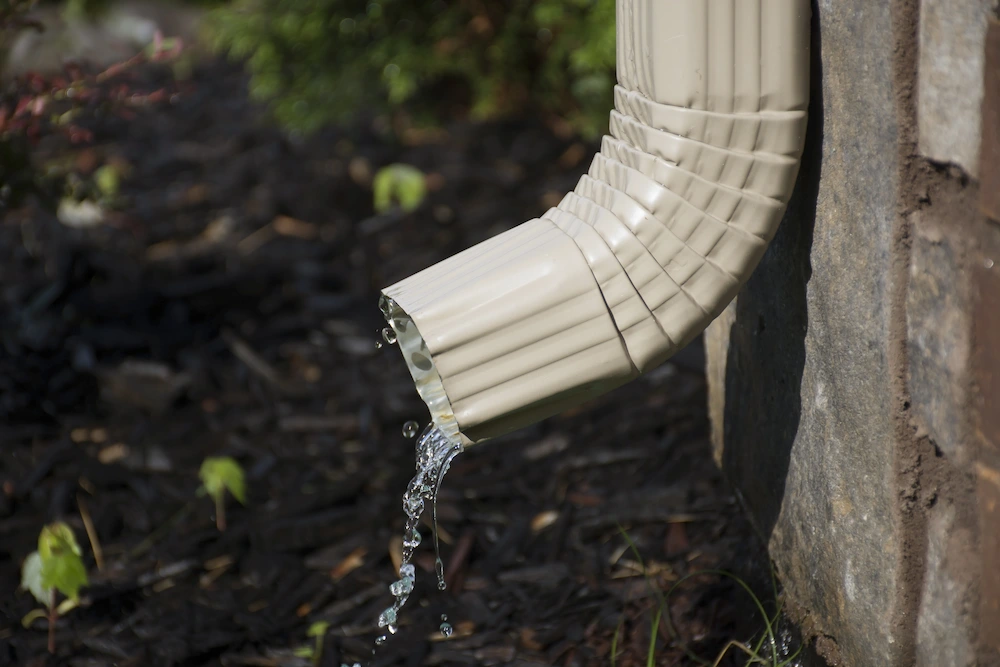
Water draws pests to your home and helps them survive. Extend downspouts 4–6 feet from the foundation, clear gutters, and re‑grade low spots where puddles form. Inside, set bathroom fans to run 20 minutes after showers, fix slow leaks under sinks, and use a dehumidifier to keep basements and crawlspaces near 50% relative humidity. Dry homes are less welcoming to silverfish, roaches, springtails, and rodents.
5) Tighten up food and clutter indoors

When nights get cold, mice shift indoors for easy calories and cover. Store pantry goods in hard, sealed containers; never leave pet food out overnight; and empty indoor trash frequently. In garages, basements, and attics, move cardboard to lidded plastic totes and elevate them off the floor. Decluttering shrinks hiding spots and makes any activity easier to spot during your checks.
6) Fortify the hot spots
Some places deserve extra attention in the fall:
• Utility rooms and mechanical closets: seal around vent lines and the furnace flue collar.
• Attics: repair torn baffles and soffit screens; look for rodent trails along joists.
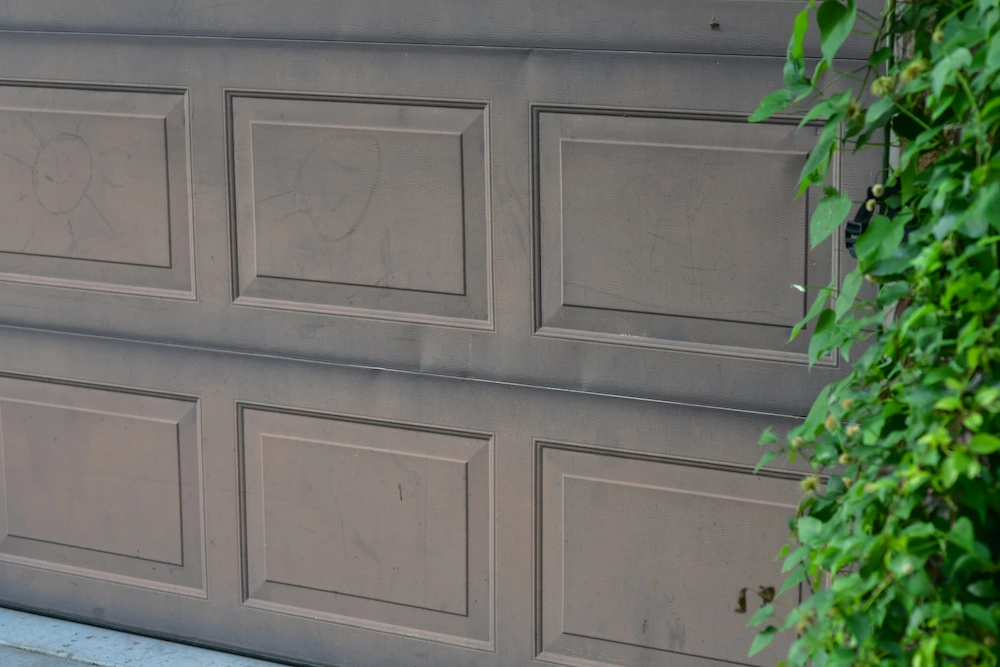
• Garages: install a tight brush seal along the bottom of the overhead door and weatherstrip the sides.
• Sliding doors: vacuum debris from tracks and add a secondary sweep if you see light.
7) Use low‑impact barriers and monitoring
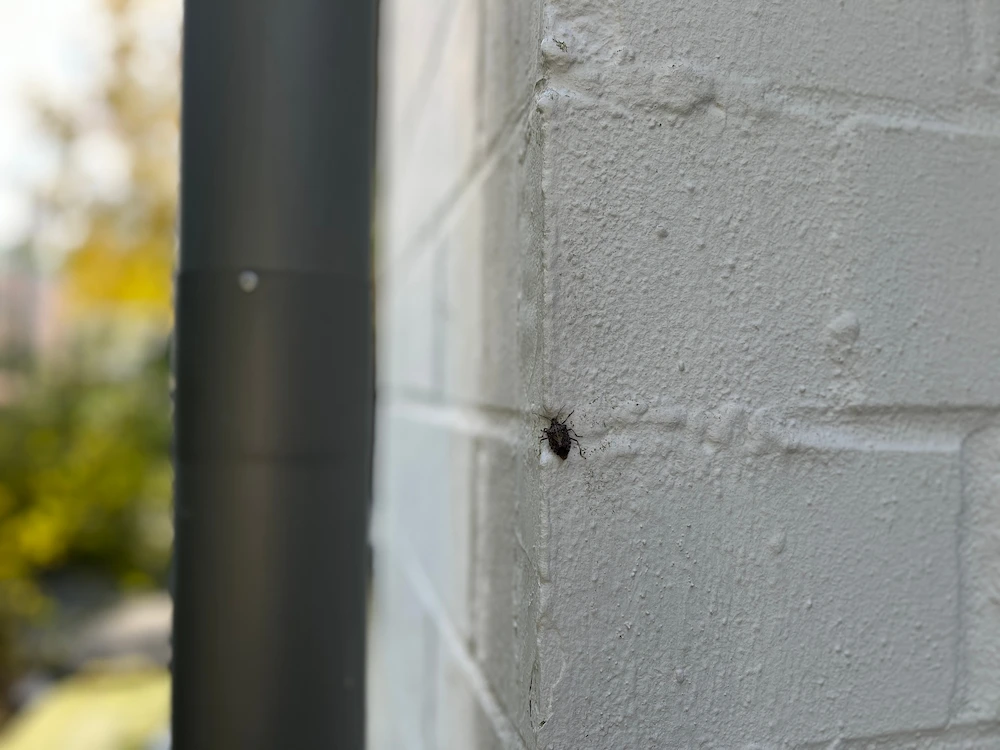
A few tools can reduce home entries without resorting to harsh products. Apply a perimeter barrier (as labeled) around the foundation and entry points, especially on the sunny side where stink bugs and boxelder bugs congregate. Indoors, place sticky monitors behind appliances and in utility rooms so you see early signs of activity. Vacuum up invaders you find—don’t crush them, since some release strong odors.
8) Know when DIY stops and pros step in

If you’re seeing clusters of beetles at windows, lines of ants trailing inside, or any signs of rodents (droppings, gnaw marks, sounds in walls), it’s time for expert help. Professional technicians pair detailed inspections with targeted treatments and exclusion, which is the combination that keeps pests out for good.
Want a hand getting a tighter seal and season‑long protection? Pointe Pest Control offers full‑service programs that combine inspection, prevention, and safe treatments to protect your home year-round. See our residential pest control services for more information.
Spotting chew marks, droppings, or greasy rub marks along baseboards? Our team can locate entry points, perform exclusion, and remove the culprits to protect your home. Learn more about our rodent control services in Chicago.
Quick checklist for a pest‑tight fall

- Replace door sweeps and weatherstripping; no daylight under doors.
- Caulk/foam gaps around pipes, cables, and meter boxes.
- Screen attic/crawl vents with 1/4″ hardware cloth; cap chimneys.
- Swap exterior bulbs to warm LEDs; move lights away from doors.
- Keep mulch, firewood, and shrubs off the foundation; rake leaves.
- Store food in sealed containers; feed pets on a schedule.
- Run dehumidifiers and repair leaks; keep RH near 50% in basements.
- Set sticky monitors in utility rooms and behind appliances.
- Call Pointe if you see clusters of beetles or any sign of rodents.
Fall Pest FAQs
“Will sealing really make a difference?” Yes—exclusion is the single most effective step you can take to prevent fall pest infestations. It removes the easiest way in and works 24/7 without chemicals.
“What if bugs still show up?” Even a well‑sealed home can see a few stragglers during temperature swings. Focus on vacuuming, window‑screen repairs, and closing doors promptly to protect your home against pests. If activity continues, we’ll design a custom plan.
The Pointe Difference
Our local technicians know Chicago‑area homes inside and out—from 1920s brick bungalows to new builds with complex rooflines. We inspect thoroughly, seal precisely, and apply targeted treatments where they matter most. Ready for a calmer autumn? Request a free estimate and keep insects out of the house the confident way.
With a few smart weekend projects, you can protect your home from fall pests without turning it into a construction site.
These steps help prevent fall pest infestations before they start, saving you time, stress, and repair costs. Protect your home from fall pests with Pointe’s reliable solutions!
Citations
Top 10 pest-proofing tips for fall. (n.d.). Pest World. Retrieved October 21, 2025, from https://www.pestworld.org/news-hub/pest-articles/top-10-pest-proofing-tips-for-fall/
Request a Free Quote Today
(We do not share your data with anybody, and only use it for its intended purpose)
