
Listen Up! Why Sound Is an Early Sign of Pests
Listen Up! Why Sound Is an Early Sign of Pests
Summary: Scratching, scurrying, and other unusual sounds can be early signs of hidden pests. Learn which noises to watch for and when to investigate further.
Not every pest problem begins with a bug crawling across the floor or droppings appearing in a cabinet. Sometimes, the first warning sign is something you hear. Scratching, scurrying, tapping, or rustling noises inside walls and ceilings can indicate that unwanted visitors have found their way into your home.
Paying attention to pest noises in walls can help homeowners identify potential problems before other signs become obvious. Pests often remain hidden in wall voids, attics, crawl spaces, and other secluded areas, making unusual sounds an important clue that activity may be happening out of sight.
Why Pests Make Sounds Inside Your Home
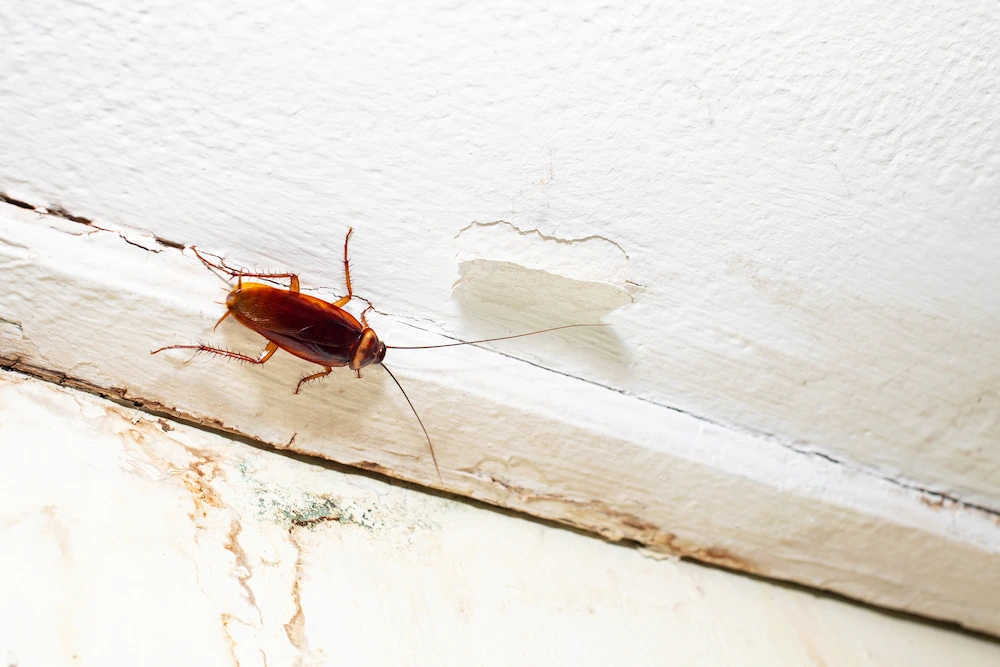
Many pests become noisy as they move through hidden areas of a house. Wall voids, ceilings, insulation, and attics can provide protected pathways where rodents and other pests travel without being seen.
The sounds homeowners hear can come from several behaviors. Pests may be searching for food, building nests, chewing materials, or simply moving from one hiding place to another. Because these activities often happen behind finished surfaces, sound may provide an early warning before visible evidence appears.
The time of day can offer another clue. Some pests are particularly active at night, when the home is quieter and their movements are easier to hear.
Scratching and Scurrying Could Point to Rodents
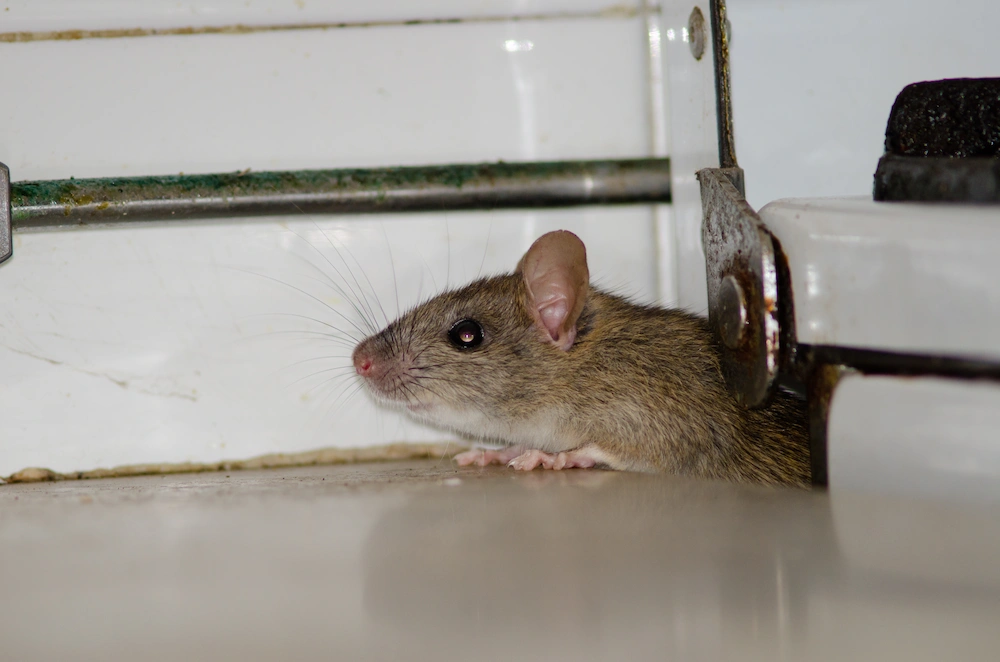
Scratching and scurrying sounds are commonly associated with mice and rats. Rodents can move through wall voids, ceilings, basements, and attics while searching for food and nesting materials.
Homeowners may hear quick movements, scratching, or light gnawing sounds, particularly after dark. Mice are small enough to access tight spaces, while larger rodents may produce heavier or more noticeable movement.
Hearing these sounds repeatedly should not be ignored. Rodents can reproduce quickly, so detecting potential activity early gives homeowners an opportunity to investigate before the population has more time to grow.
Other Pests Can Make Noise Too
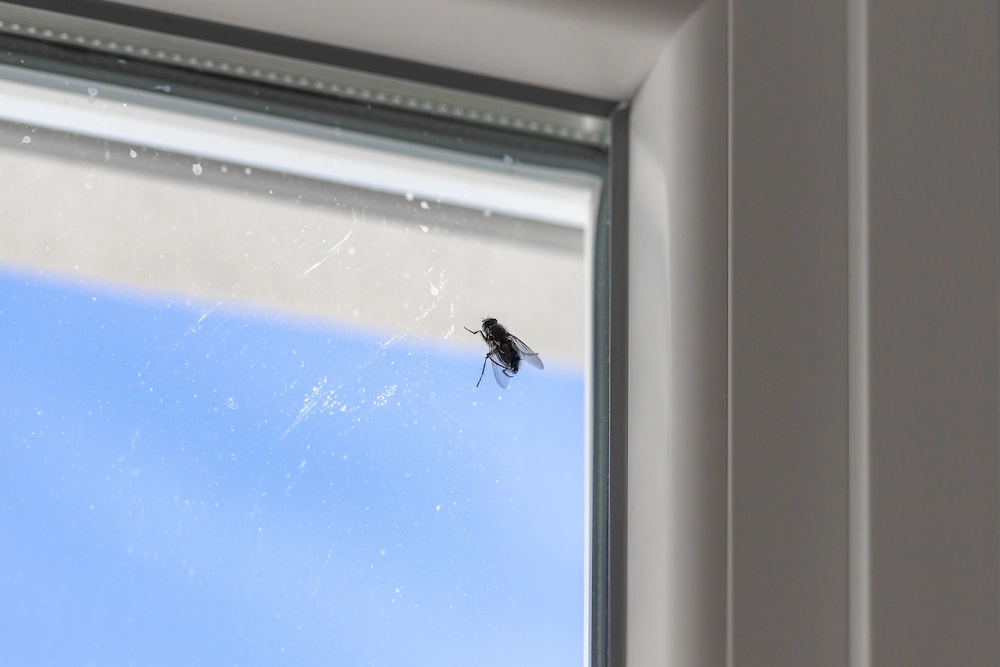
Rodents are not the only pests capable of making noticeable sounds. Larger wildlife in an attic can produce heavier footsteps or movement, while certain insects may create faint tapping, buzzing, or rustling noises.
The location and type of sound can sometimes help narrow down the possibilities. Buzzing near a wall or roofline, for example, may suggest flying insect activity, while persistent movement above the ceiling could point toward an animal in the attic.
Sound alone is not enough to identify a pest with certainty. Instead, treat unusual noises as a reason to look for additional signs of pest infestation.
Look for Other Warning Signs
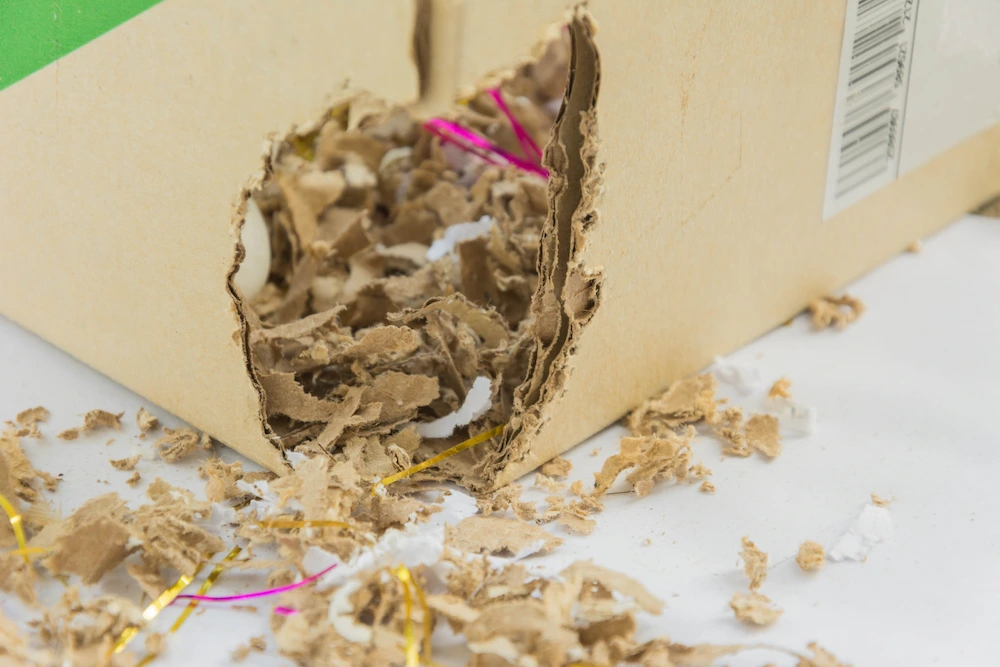
If you hear unexplained noises repeatedly, inspect accessible areas around the home for additional evidence. Combining what you hear with visible clues can make it easier to determine whether pests are responsible.
Watch for signs such as:
- Droppings in cabinets, basements, attics, or storage spaces
- Gnaw marks on boxes, wood, or other materials
- Damaged food packaging
- Nesting materials such as shredded paper or insulation
- Unusual odors in enclosed areas
You may also notice grease marks or tracks along areas pests frequently travel. Finding several warning signs together makes hidden pest activity more likely.
Check How Pests Could Be Getting Inside
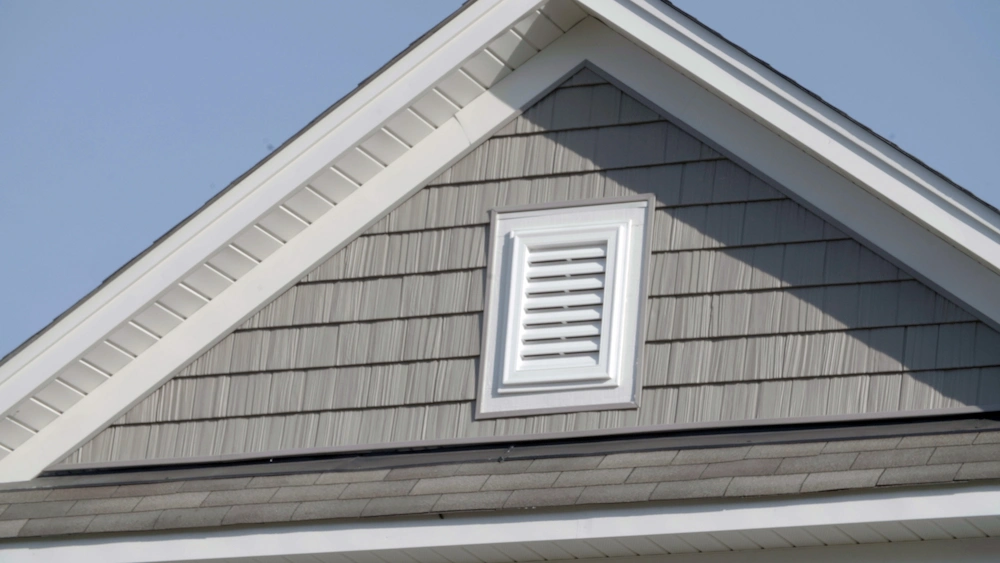
If pests are moving through your walls or attic, they first need a way into the structure. Small exterior openings can provide access without being obvious from inside the home.
Check areas around utility lines, vents, doors, windows, rooflines, and the foundation for gaps or damage. Rodents can take advantage of surprisingly small openings, so seemingly minor exterior maintenance problems should not be overlooked.
Sealing potential entry points can help prevent future pest activity, but make sure you understand what may already be inside before closing an opening. Trapping an animal within a structure can create additional problems.
Why Early Detection Matters

One strange noise does not automatically mean you have an infestation. Homes naturally make sounds as materials expand and contract, plumbing operates, and heating or cooling systems run. Repeated scratching or scurrying from the same area, however, deserves closer attention.
Early pest detection can make a significant difference because hidden problems may become more difficult to address over time. Rodents may reproduce, insects can establish larger populations, and some pests may damage materials while remaining out of sight.
Investigating suspicious sounds early can help determine whether there is a pest problem and what steps may be needed next.
When to Schedule a Pest Inspection
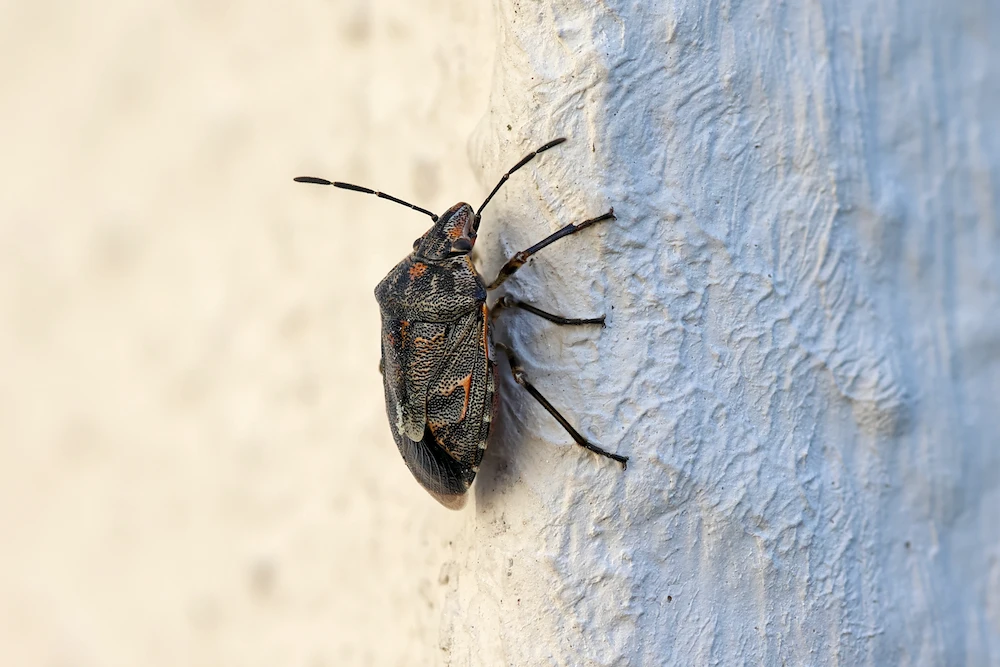
If scratching in walls continues, noises become more frequent, or you find other evidence of pests, a professional inspection may be appropriate. A trained technician can examine likely entry points and areas where pests may be nesting or traveling.
Professional inspections can also help distinguish pest activity from ordinary household noises. Correct identification matters because rodents, insects, and wildlife require different approaches to removal and prevention.
Do Not Ignore What Your Home Is Telling You
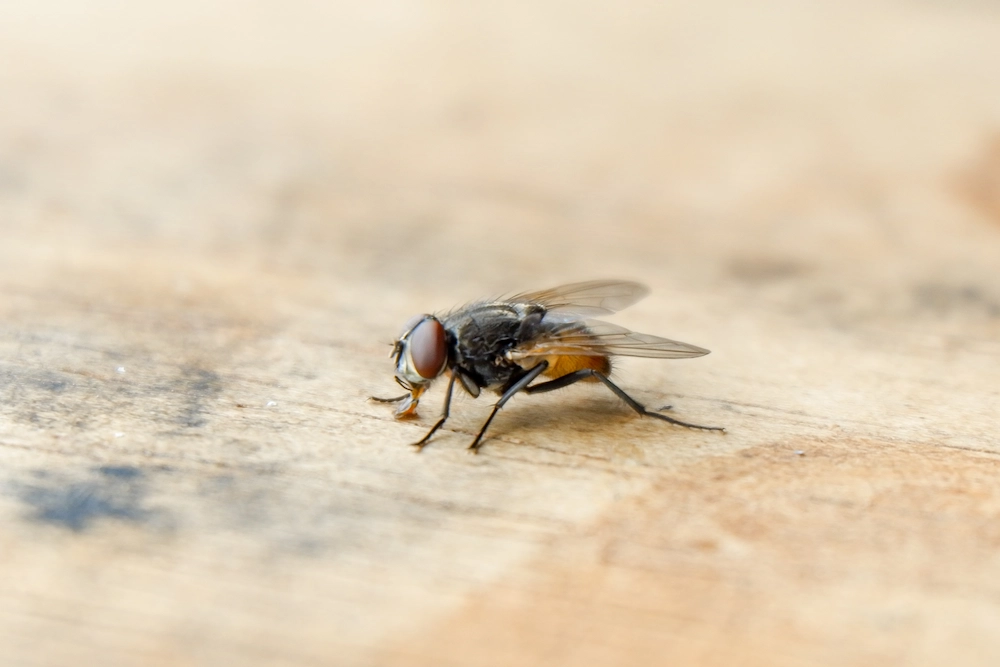
Your ears can sometimes detect a pest problem before your eyes do. Scratching, scurrying, buzzing, and other unusual sounds can provide valuable clues about activity taking place behind walls, above ceilings, or in other hidden spaces.
Listen for patterns and look for supporting evidence rather than dismissing recurring noises. Identifying hidden pest activity early can help you address the source, close potential entry points, and prevent a small problem from becoming a much larger one. Our team is happy to investigate any suspected pest activity, so contact us today for a free quote on our efficient services!
Citations
What’s that sound? Insect and wildlife noises. (n.d.). Terminix. Retrieved August 10, 2026, from https://www.terminix.com/wildlife/sounds/
Request a Free Quote Today
(We do not share your data with anybody, and only use it for its intended purpose)
