
Are Wolf Spiders Actually Helpful? How They Hunt, What They Eat, and the Risks
Are Wolf Spiders Actually Helpful? How They Hunt, What They Eat, and the Risks
Summary: Wolf spiders are active hunters that feed on many common pests. Learn how they hunt, what they eat, the benefits they provide, and the risks they pose.
Wolf spiders are often one of the most misunderstood spiders homeowners encounter. Their large size, fast movements, and tendency to roam instead of building webs can make them seem intimidating. When one suddenly appears in a garage, basement, or across a floor, many people assume it is dangerous and should be removed immediately.
However, are wolf spiders actually helpful? In many cases, they are. These spiders are skilled hunters that feed on a variety of insects and other pests. While there are some risks associated with having wolf spiders around your home, they also provide natural pest management benefits that many homeowners may not realize.
What Makes Wolf Spiders Different From Other Spiders?
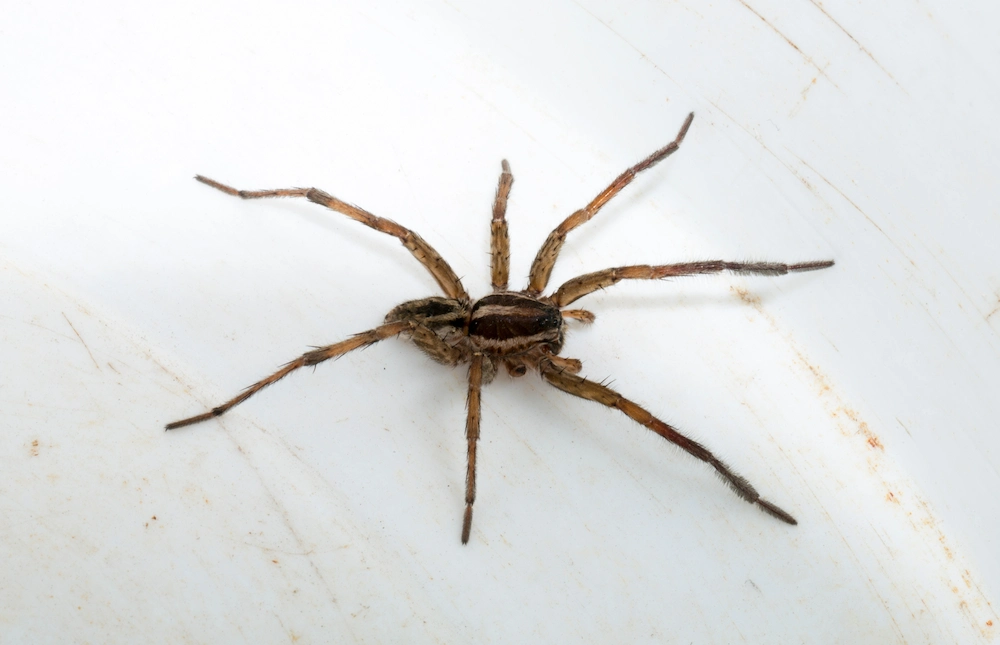
Most spiders rely on webs to capture prey, but wolf spiders take a different approach. Instead of waiting for insects to become trapped, they actively search for food. Their excellent eyesight and quick reflexes allow them to stalk and ambush prey with remarkable efficiency.
Wolf spiders are commonly found in gardens, mulch beds, lawns, garages, and other areas where insects are abundant. Because they do not build traditional webs, homeowners are more likely to see them moving around than hanging from silk structures.
Their hunting style is one of the main reasons they are considered beneficial predators in many environments.
How Wolf Spiders Hunt Their Prey
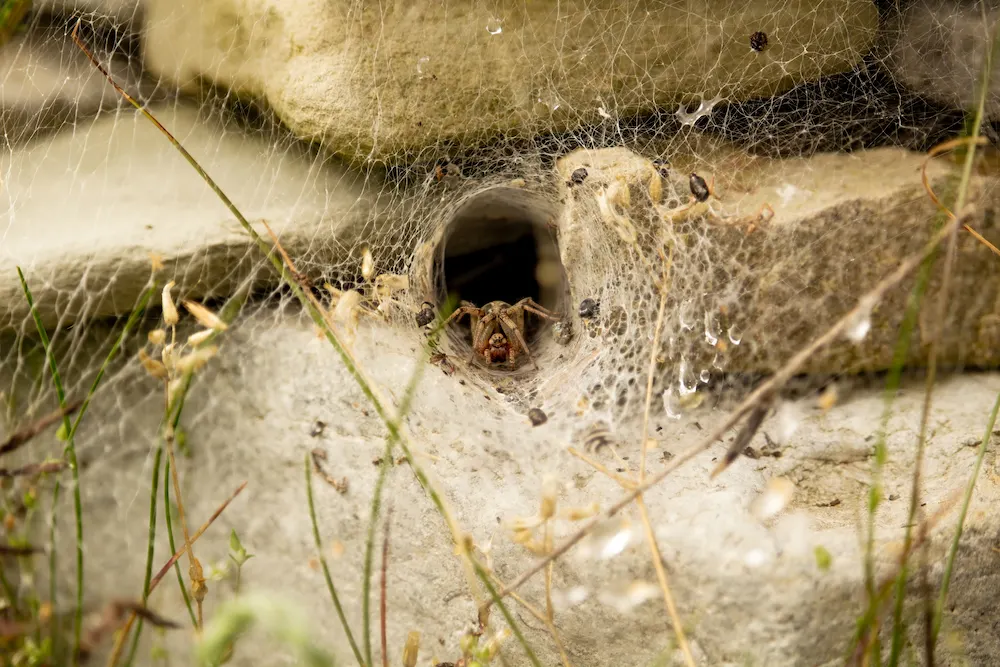
Understanding how wolf spiders hunt helps explain why they are effective at controlling insect populations. These spiders typically remain hidden until they detect movement from nearby prey. Once they locate a target, they quickly pursue and capture it using speed rather than webs.
Wolf spiders often hunt at night when many insects are active. Their strong vision helps them navigate low-light conditions and identify potential prey. Unlike web-building spiders that depend on insects coming to them, wolf spiders actively patrol areas where food is available.
This hunting behavior makes them highly effective predators and an important part of local ecosystems.
What Do Wolf Spiders Eat?
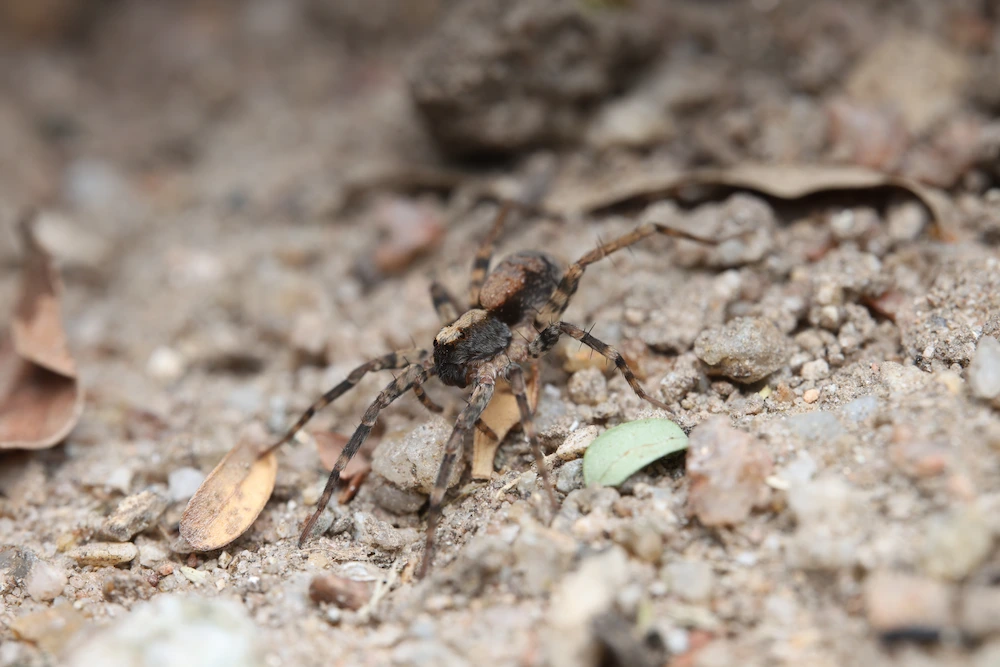
Many homeowners wonder, what do wolf spiders eat? Their diet includes a wide variety of insects and small arthropods that are commonly found around homes and yards.
Common prey includes:
- Ants and other crawling insects
- Crickets and grasshoppers
- Beetles and garden pests
- Roaches and other nuisance insects
- Smaller spiders and similar arthropods
Because wolf spiders consume many common household and outdoor pests, they contribute to natural pest reduction without the need for chemical treatments.
Wolf Spider Benefits Around the Home
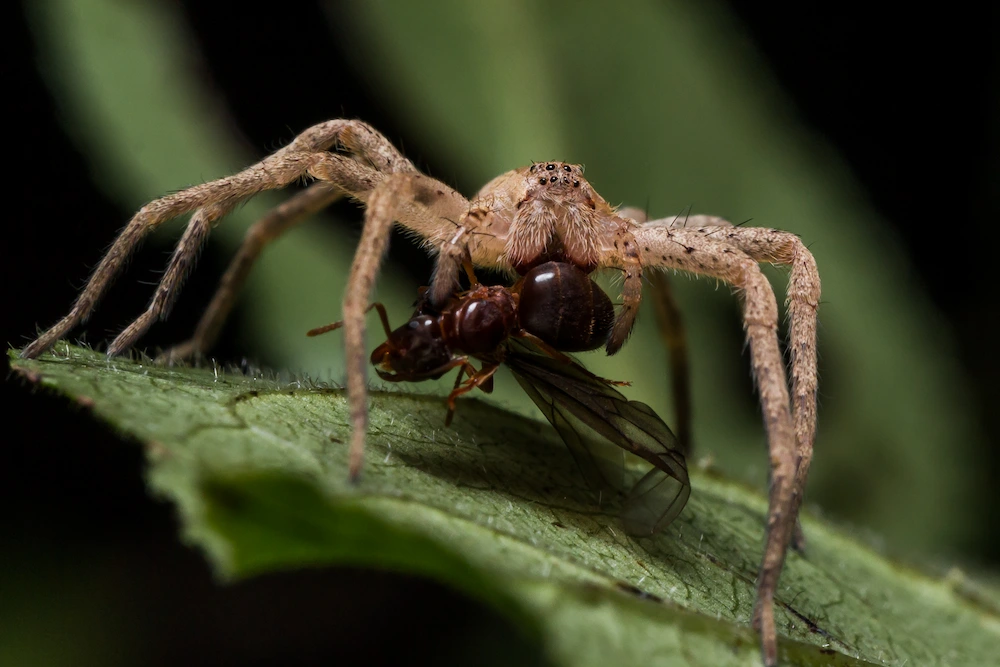
One of the primary wolf spider benefits is their role as natural predators. By feeding on insects that can become nuisances or damage plants, wolf spiders help maintain balance in the environment.
Wolf spiders and pest control are closely connected because these spiders often target the same insects that homeowners want to eliminate. A wolf spider living outdoors may help reduce populations of pests around gardens, patios, and landscaped areas.
Even when they enter a home, they are usually following a food source rather than seeking interaction with people. In many cases, their presence may indicate that other insects are available for them to hunt.
Are Wolf Spiders Dangerous to Humans?
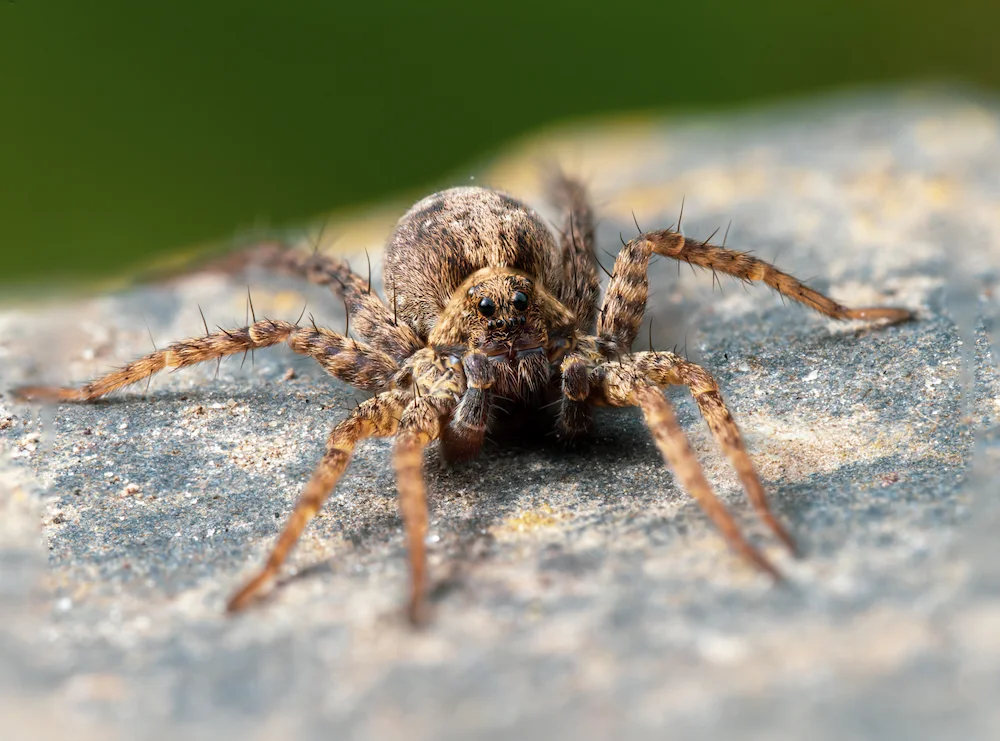
Despite their intimidating appearance, wolf spiders are generally not considered a serious threat to people. Homeowners frequently ask, are wolf spiders dangerous to humans, especially after seeing one indoors.
Wolf spiders can bite if they feel trapped or threatened, but bites are relatively uncommon. Most bites result in mild symptoms such as redness, swelling, or temporary discomfort. Severe reactions are rare and typically involve individuals with sensitivities or allergies.
These spiders are not aggressive and usually attempt to flee when disturbed. For most homeowners, the risk posed by wolf spiders is much lower than many people assume.
Why Wolf Spiders Sometimes Enter Homes
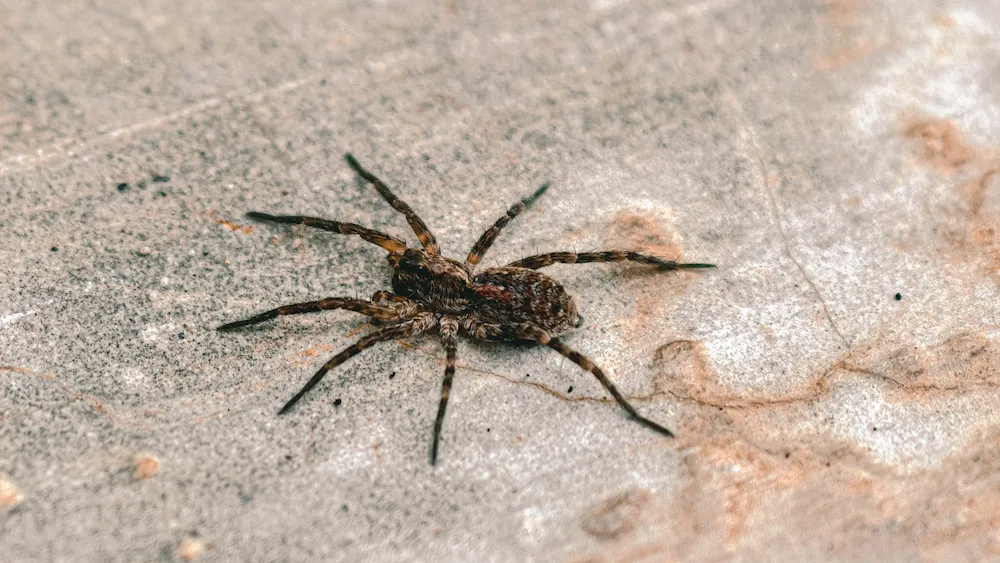
Wolf spiders prefer outdoor environments where food is plentiful, but they may occasionally wander indoors. This often happens when weather conditions change or when insects inside the home provide an attractive food source.
Entry points may include gaps around doors, foundation cracks, utility openings, and damaged screens. Once inside, wolf spiders are often found in basements, garages, crawl spaces, and other quiet areas.
Reducing indoor insect activity can help make your home less attractive to hunting spiders and decrease the likelihood of future sightings.
Managing Wolf Spider Activity
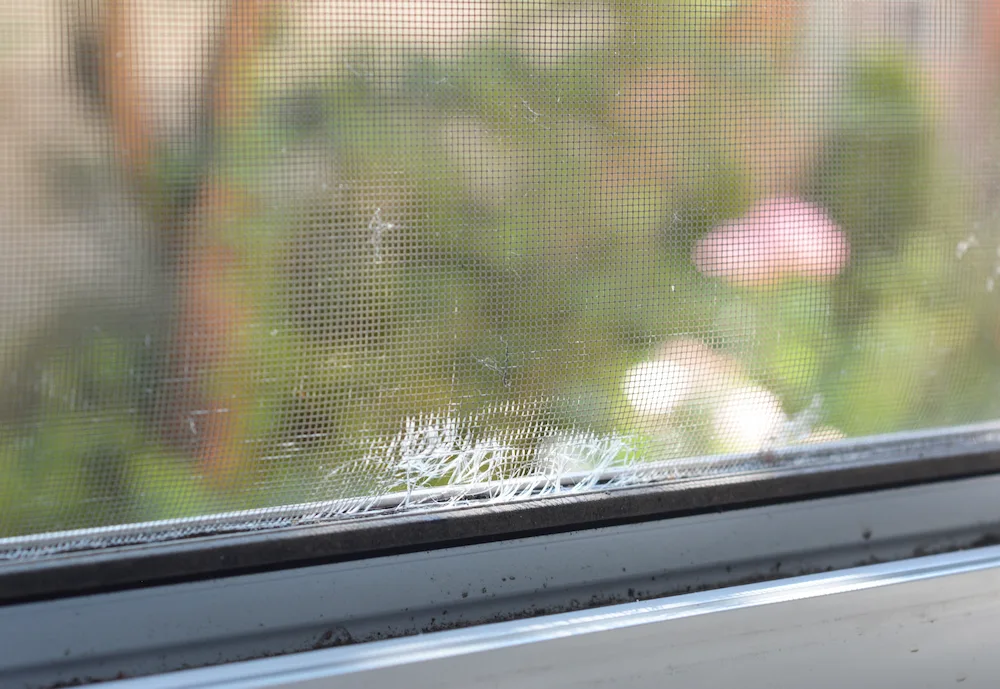
While wolf spiders can provide benefits, many homeowners still prefer to keep them outdoors. Prevention efforts should focus on reducing access points and limiting the conditions that attract insects.
Helpful prevention measures include:
- Sealing cracks and gaps around the exterior of the home
- Repairing damaged screens and weather stripping
- Reducing outdoor clutter where spiders may hide
- Controlling insect populations that serve as food sources
These steps can help minimize indoor spider encounters while allowing wolf spiders to continue their role in outdoor ecosystems.
The Verdict on Wolf Spiders
So, are wolf spiders actually helpful? In many situations, yes. Their ability to hunt and consume a wide range of nuisance insects makes them valuable natural predators around homes and gardens.
Although they can appear intimidating, wolf spiders generally pose little risk to people and often contribute to pest management efforts. Understanding their behavior, diet, and role in the environment can help homeowners make informed decisions when they encounter these unique spiders. Contact us for a free quote on our efficient pest control services today!
Citations
Telkamp, M. (n.d.). Wolf spiders. HGTV. Retrieved June 11, 2026, from https://www.hgtv.com/gardening/animals-and-wildlife/wolf-spider
Request a Free Quote Today
(We do not share your data with anybody, and only use it for its intended purpose)
