
How Do I Know If I Have Pavement Ants? Signs to Watch For
How Do I Know If I Have Pavement Ants? Signs to Watch For
Summary: Learn how to identify pavement ants and recognize early signs of a pavement ants infestation. Discover what attracts them and how to prevent ants from entering your home.
Pavement ants are one of the most common ant species found around homes, especially in urban and suburban areas. They often nest under sidewalks, driveways, and foundations, which is how they get their name. While they may seem harmless at first, an established colony can quickly become a nuisance once ants begin entering your home in search of food.
Recognizing pavement ants infestation signs early can help you address the problem before it spreads. Because these ants are small and often overlooked, many homeowners do not realize there is an issue until activity becomes more noticeable indoors.
What Are Pavement Ants?
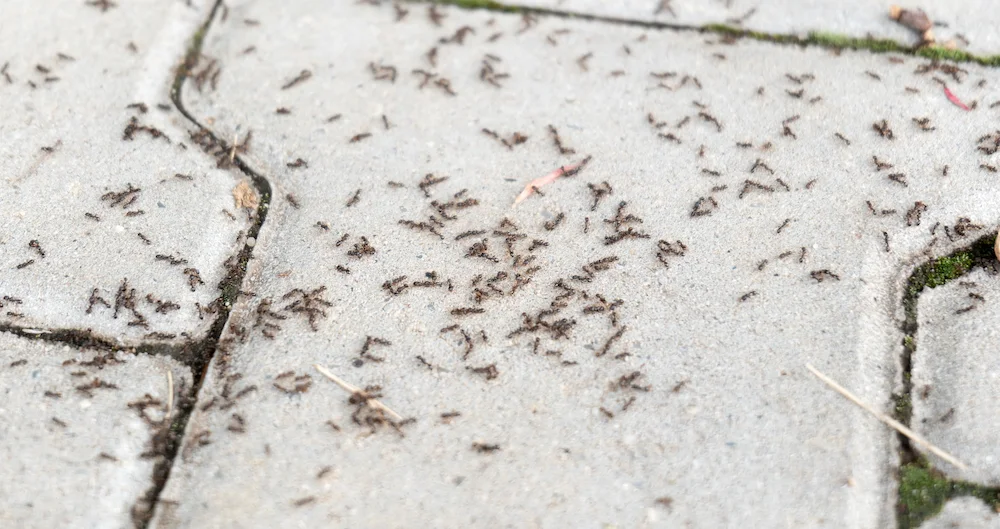
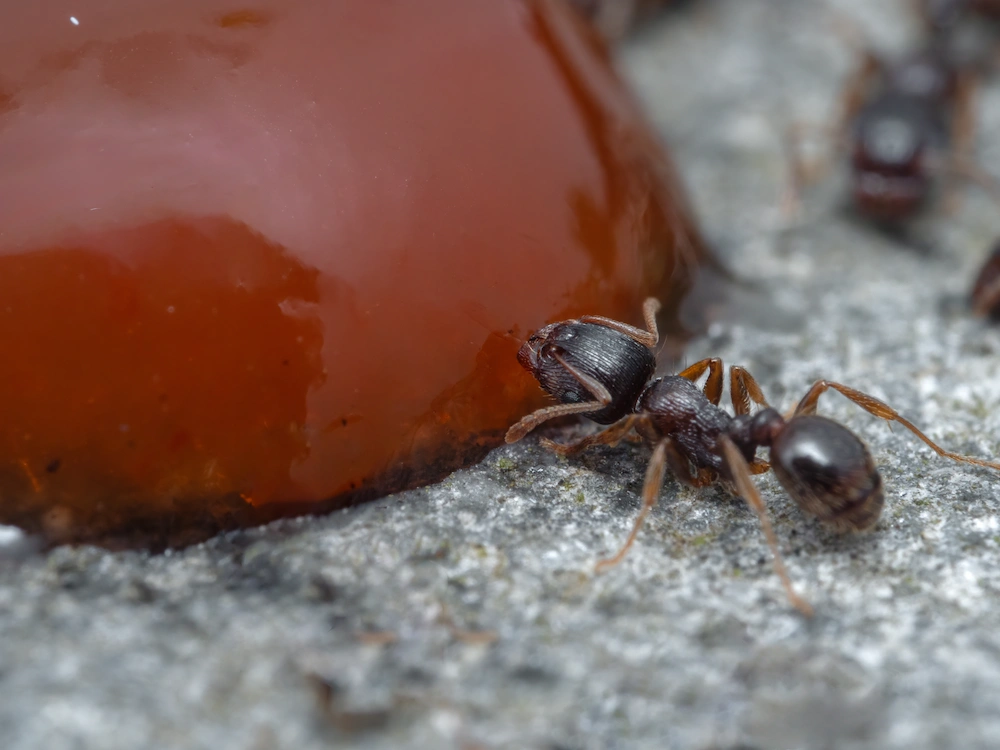
Pavement ants are small, dark colored ants that typically measure about one eighth of an inch long. They are usually black or dark brown and are commonly seen moving in lines along sidewalks, patios, and building foundations. Their nests are often hidden beneath concrete slabs or stones, where they create small openings to enter and exit.
If you are trying to identify pavement ants, one of the key characteristics is their behavior. These ants tend to follow consistent trails between their nest and food sources. They are also known to push small piles of dirt or sand out of cracks in pavement, which can be an early sign of activity around your home.
Common Signs of Pavement Ant Activity
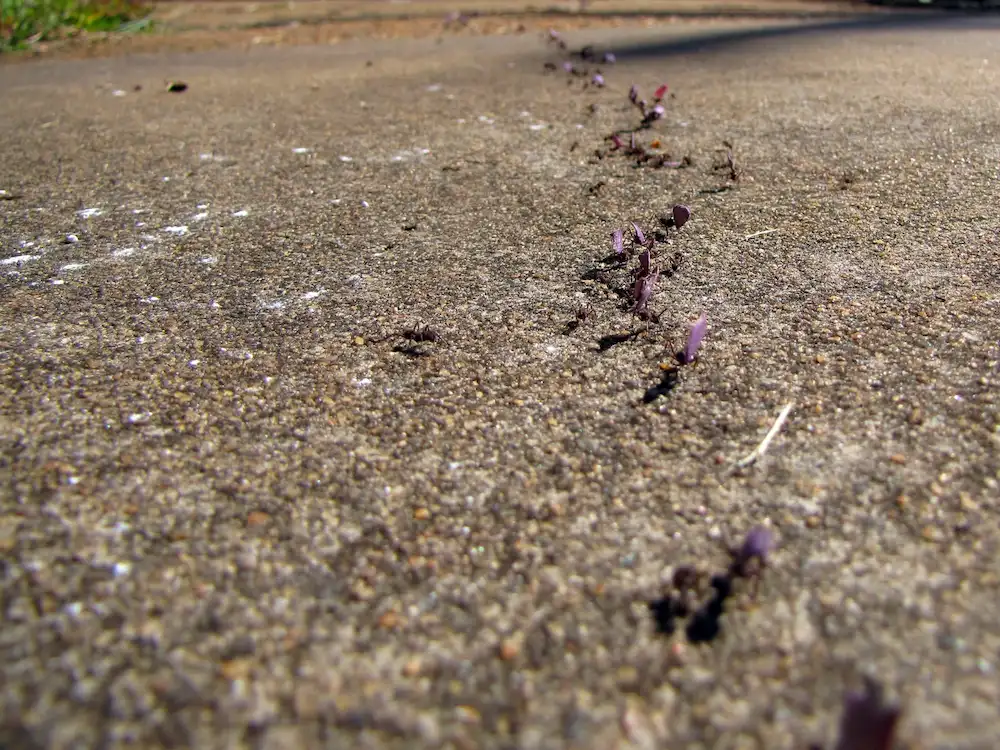
The presence of pavement ants is not always obvious at first. However, there are several clear signs that can indicate a growing colony nearby. Knowing what to look for can help you catch the problem early.
Some of the most common pavement ants infestation signs include:
- Visible ant trails near home foundations, sidewalks, or interior walls
- Small piles of dirt or sand emerging from cracks in concrete
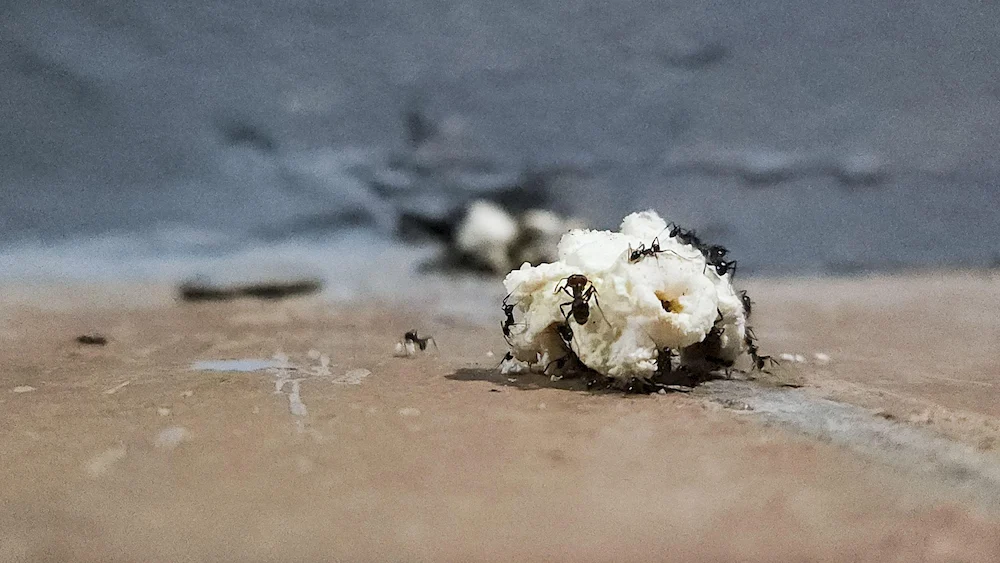
- Groups of small black ants indoors, especially in kitchens or near food sources
- Increased ant activity during warmer months
These signs often point to a colony that is actively foraging and expanding. If left unaddressed, the number of ants may continue to increase over time.
Why Pavement Ants Come Indoors
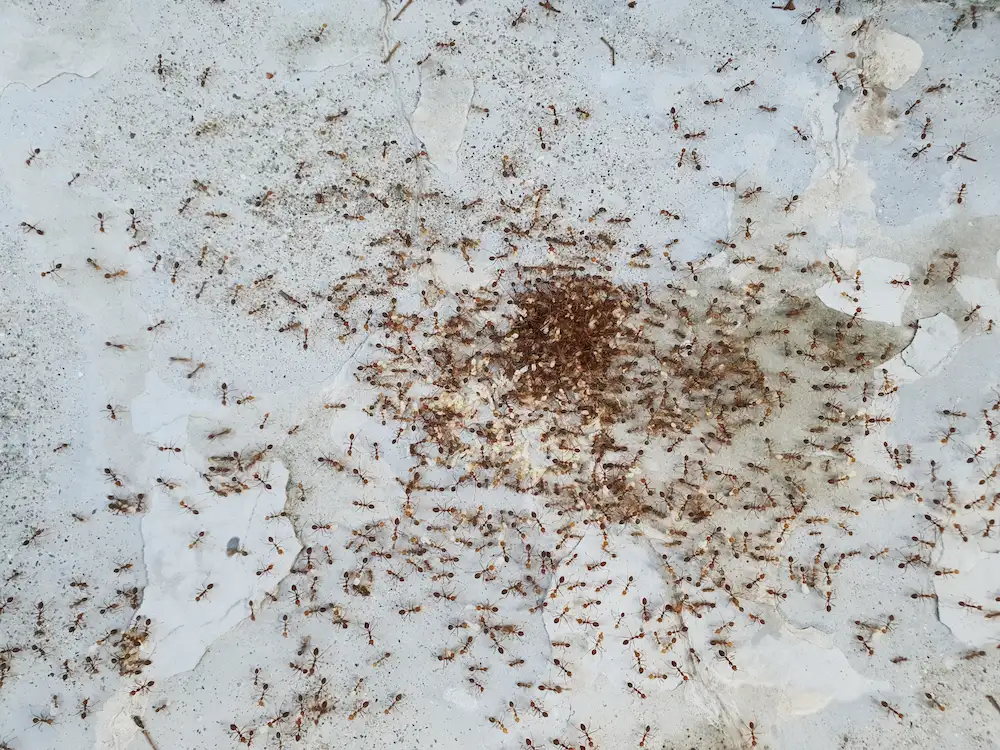
Pavement ants typically live outdoors, but they enter homes in search of food and water. Even small crumbs, spills, or unsealed food containers can attract them. Once they find a reliable food source, they will continue returning along the same trail.
Weather changes can also influence their behavior. Heavy rain or extreme heat may drive ants indoors as they search for more stable conditions. This is why some homeowners notice sudden increases in activity even if they have not seen ants before.
Because these ants are persistent, it is important to address the source of attraction rather than just removing visible ants. Otherwise, new workers will continue to replace the ones you eliminate.
Where to Look for Pavement Ant Nests
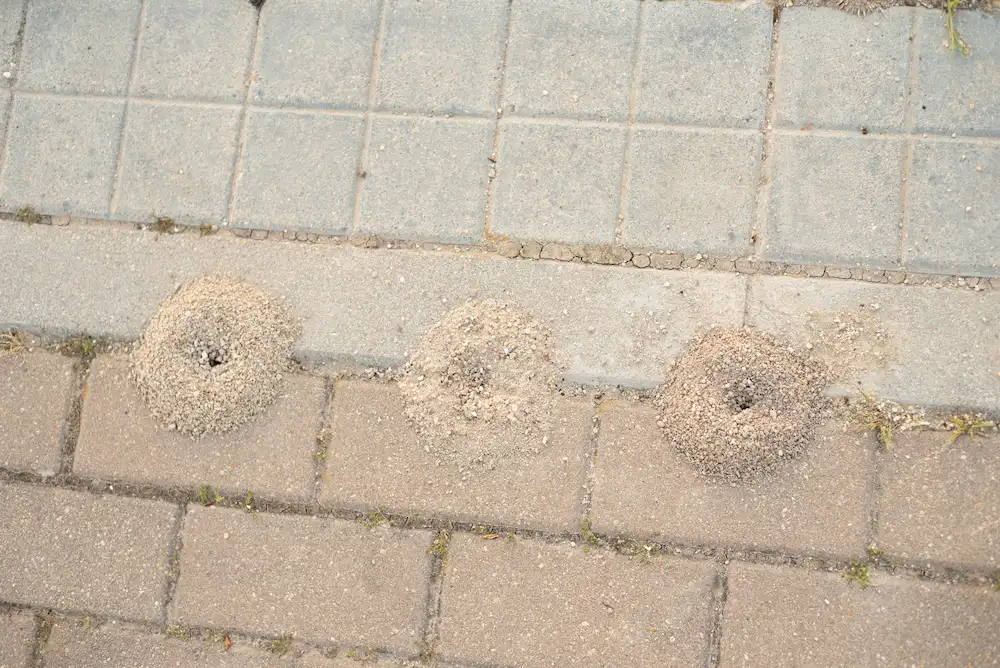
Finding the nest is an important step in managing pavement ants. Since they prefer to build colonies under hard surfaces, nests are often located in areas that are not immediately visible.
Common nesting locations include cracks in driveways, gaps along sidewalks, and spaces near building foundations. You may also find nests under stones, bricks, or other objects that provide cover. Outdoors, look for small openings surrounded by loose soil, which indicates active tunneling.
Inside the home, ants may travel along baseboards, behind appliances, or near entry points such as doors and windows. Following these trails can help you determine where the ants are coming from and how they are getting inside.
How to Prevent Pavement Ant Infestations
Preventing pavement ants from becoming a long term problem involves reducing the factors that attract them and limiting access to your home. Small maintenance steps can go a long way in controlling ant activity.
Effective prevention methods include:
- Sealing cracks and gaps around foundations, doors, and windows
- Cleaning up food spills and storing items in sealed containers
- Repairing damaged concrete where ants may build nests
- Keeping outdoor areas free of debris and excess moisture
These steps help reduce the likelihood of ants establishing or expanding colonies near your home. Consistency is key, as even small openings or food sources can attract new ants.
When to Consider Professional Help
If you continue to see signs of ant infestation despite taking preventive steps, it may be time to seek professional assistance. Large or hidden colonies can be difficult to eliminate without targeted treatment.
Pest control professionals can inspect your property, confirm the species, and identify the location of nests. They can also provide treatment plans designed to address the root of the problem and prevent future activity.
Staying Ahead of Pavement Ant Problems
Pavement ants are a common issue, but early detection makes them much easier to manage. By learning how to identify pavement ants and recognizing the signs of ant infestation, homeowners can take action before the problem becomes more widespread.
Regular inspections, proper sanitation, and sealing entry points are all important steps in keeping ants under control. With the right approach, it is possible to reduce ant activity and maintain a more comfortable living environment. For a free quote on our efficient ant control services, contact us today!
Citations
Pavement ants (Tetramorium caespitum). (2025, June 4). Terminix. Retrieved April 14, 2026, from https://www.terminix.com/ants/pavement/
Request a Free Quote Today
(We do not share your data with anybody, and only use it for its intended purpose)
