
The Key to a Pest-Free Spring: Why Winter Prep Matters
The Key to a Pest-Free Spring: Why Winter Prep Matters
Summary: A practical guide to winter prep that makes spring pest season easier, including exterior sealing, moisture control, and indoor sanitation steps.
Spring is when everything wakes up, including pests. As temperatures bounce back, ants start scouting, spiders follow the food, and overwintering invaders look for easy places to hide. If you wait until you see a trail across the kitchen or hear scratching in the wall, you are already behind.
The good news is that pest prevention for spring starts earlier than most people think. A few smart steps during the colder months can make pest season a whole lot calmer, and they do not require fancy tools or a weekend-long project.
Why Winter Is the Best Time to Get Ahead

When winter hits Illinois, most pests do not disappear. They either move closer to warmth, tuck into protected outdoor spots, or slow down until conditions improve. That makes winter pest prevention a practical strategy because you can spot entry points and problem areas without the chaos of active infestations.
Cold weather also changes what pests want. Rodents are looking for shelter and food storage. Spiders and occasional invaders want quiet corners and gaps near doors, pipes, and vents. If you focus on how to prevent pests in winter, you are really focusing on reducing shelter, blocking access, and removing the reasons they stick around.
Start Outside: Seal, Clear, and Drain Before the Thaw

A pest-free spring starts on the exterior. Your home’s outside shell is the first line of defense, and small gaps are all pests need to slip inside. Before the weather warms up, take a slow walk around your foundation, doors, windows, and any spots where utilities enter the home.
Pay special attention to areas that trap moisture and debris. Melting snow can pool near the foundation, and that damp zone can draw pests as spring arrives. Fixing grading issues or clearing clogged downspouts in late winter helps you avoid a wet welcome mat once the thaw really starts.
It also helps to think about what pests use as cover. Firewood stacked against the house, thick leaf piles, and packed-in landscaping beds create protected pockets that stay warmer than the surrounding air. Pull wood a few feet away from the home, clear leaf buildup near window wells, and keep storage bins off the ground where you can.
Here are a few quick exterior checks that make a big difference:
- Repair torn screens and add door sweeps where you see daylight.
- Seal small cracks around pipes, vents, and siding with appropriate caulk.
- Clear leaves from window wells and keep mulch or soil from touching the siding.
Inside the House: Remove the Easy Wins for Pests

Once pests get indoors, they stick to the basics: food, water, and hiding spots. Winter is the perfect time to clean up the “easy wins” that pests count on because you are already spending more time inside, and you can work room by room without rushing.
Start with kitchens, basements, and garages. These areas tend to have crumbs, cardboard, stored items, and tiny leaks that go unnoticed. A small drip under a sink or a damp corner by a water heater can support pests long before you notice them.
If you store seasonal items in a basement or crawl space, keep them organized and off the floor. Cardboard is easy for pests to tuck into, so plastic totes with tight lids are the better option. It also makes inspections easier, since you can quickly spot droppings, shed insect skins, or gnaw marks instead of finding out the hard way in April.
You can keep indoor changes simple and realistic. Store pantry items in sealed containers, keep pet food in tight bins, and avoid leaving recycling sitting for long stretches. If you have a garage that doubles as storage, consider moving boxes away from exterior walls so pests have fewer hidden travel lanes.
If you need backup beyond DIY steps, Pointe’s team can help you build a plan that fits your home and your season with residential pest control services.
Preparing for Spring Pests: What to Watch as Temperatures Rise
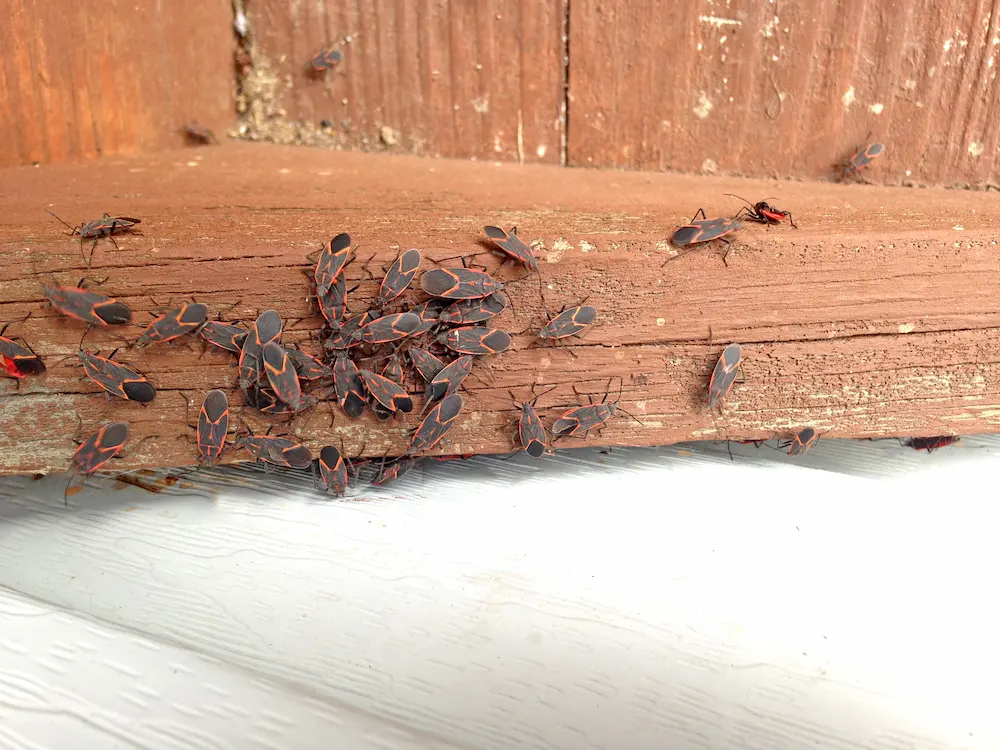
As late winter turns into early spring, the shift can be fast. A few warm days can trigger activity, even if nights are still freezing. Preparing for spring pests means knowing what “early warning signs” look like so you can act before the problem grows.
In Illinois homes, spring often brings ants, spiders, and stinging insects later in the season, plus occasional invaders like boxelder bugs. Rodents can also stay active if they already found a cozy setup during winter. If you notice droppings, gnaw marks, or new gaps in insulation, you want to address it before nesting season ramps up.
Keep an eye on areas where pests tend to show up first: along baseboards, near pantry corners, around sump pumps, and near exterior doors. Even something as simple as finding a few ants near a window can be a clue that moisture, a gap in the frame, or a food source is pulling them in.
A spring readiness check is also a good time to schedule a professional inspection if you have any concerns about wood-destroying pests. Termites can be active before you ever see obvious damage, so it helps to understand your risk and options. If you want long-term protection, learn more about Pointe’s termite control services.
Spring Pest Control Tips That Actually Hold Up

Spring prevention is not about spraying everything in sight. It is about removing the conditions that make your home the easiest option on the block. Once the weather improves, keep up with simple habits that reduce shelter and food sources outdoors and indoors.
This is also where off-season pest prevention pays off. When you seal gaps and keep moisture under control in winter, your spring routine gets easier. You are not scrambling to fix problems mid-season. You are just maintaining the progress you already made.
Use these habits as a quick “keep it steady” checklist:
- Trim vegetation back from siding and keep branches off the roofline.
- Keep trash bins clean, closed, and a few feet from entry doors.
- Check for new gaps after storms, especially around soffits and utility lines.
When It’s Time to Call a Pro
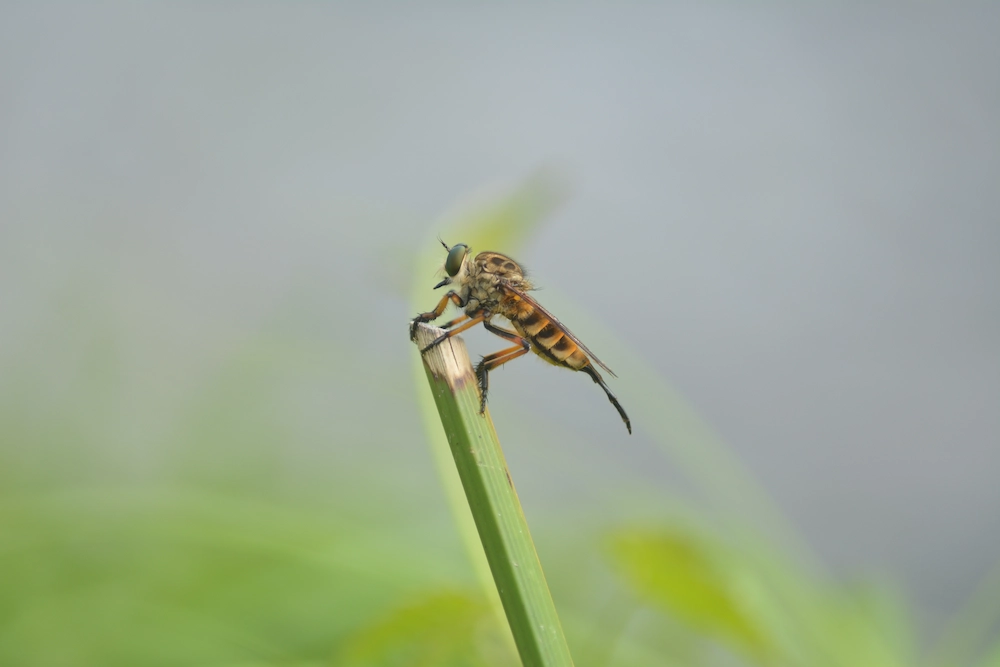
Even with good habits, pests can still find a way. If you are seeing repeat activity in the same spots, hearing rodent noises, or dealing with stinging insects near entryways, it is worth getting help before the issue escalates. Instead of wasting time and money on ineffective methods, get to the root of the issue with professional solutions.
Professional pest control is especially useful because it is not just about treating what you see. A trained technician looks for the source, checks common access points, and builds a plan that prevents new problems. That approach is exactly what you want when spring is around the corner and pest pressure is rising.
If you want help putting a prevention plan in place before the season gets busy, Pointe Pest Control can help you stay ahead with inspections, targeted treatments, and exclusion recommendations that fit your home. Contact our team for a free quote and start spring with fewer surprises.
Citations
Seasons of pest protection. (n.d.). Orkin. Retrieved February 18, 2026, from https://www.orkin.com/home-services/seasons-of-pest-protection
Request a Free Quote Today
(We do not share your data with anybody, and only use it for its intended purpose)
