
Are Spider Bites Serious? Symptoms, Risks, and When to Call for Help
Are Spider Bites Serious? Symptoms, Risks, and When to Call for Help
Summary: A clear, local guide to spider bite symptoms—including what to watch for with black widows and brown recluses—plus first aid, prevention tips, and when to call Pointe Pest Control.
Seeing a spider in the corner is one thing. Worrying about a bite is another. The good news is that most spiders in Illinois are harmless and avoid people. Still, a few species can deliver medically significant bites—and it helps to know the warning signs and what to do next.
Below, we’ll explain common spider bite symptoms, highlight what to watch for with black widows and brown recluses, and share simple prevention tips you can use around the house. If you’d rather keep spiders outside where they belong, professional help is just a call away.
Quick Answer: Are Spider Bites Serious?
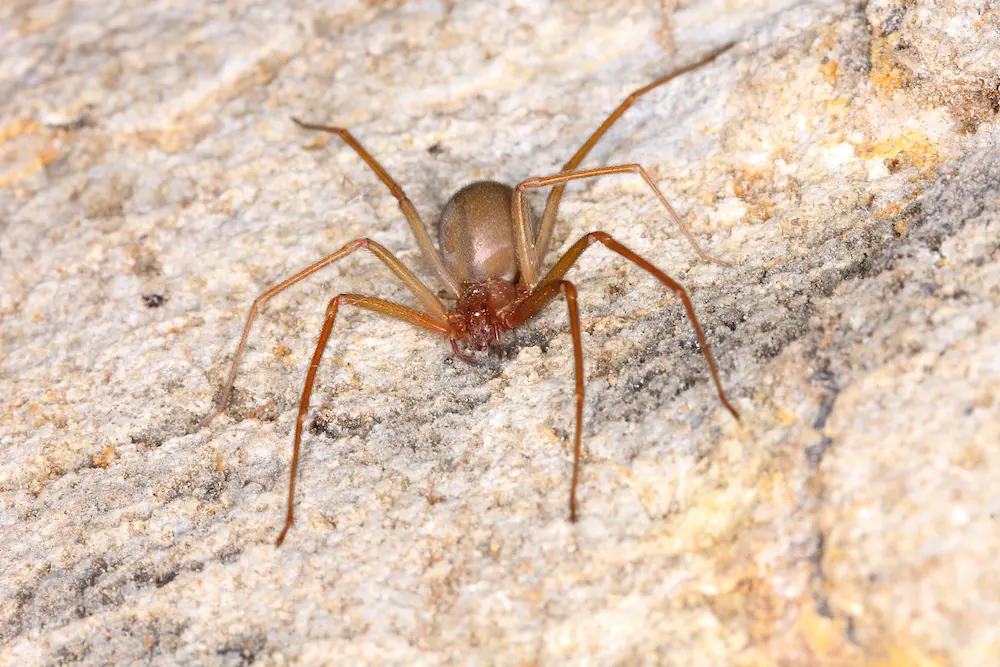
In most cases, spider bites cause mild, short‑lived effects: a small red bump, slight swelling, and itchiness that fades within a day or two. Cool compresses and over‑the‑counter pain relief are usually enough.
However, certain dangerous spider bites—especially from black widows and brown recluses—can trigger more intense reactions that may require medical attention. If you experience severe pain, spreading redness, intense muscle cramping, nausea, fever, or a growing wound, seek care right away. When in doubt, treat it like you would any other concerning bite or sting.
Knowing the typical spider bite symptoms—and the red flags that set serious cases apart—can help you respond quickly and avoid complications.
Spotlight on the Two to Watch: Black Widows & Brown Recluses
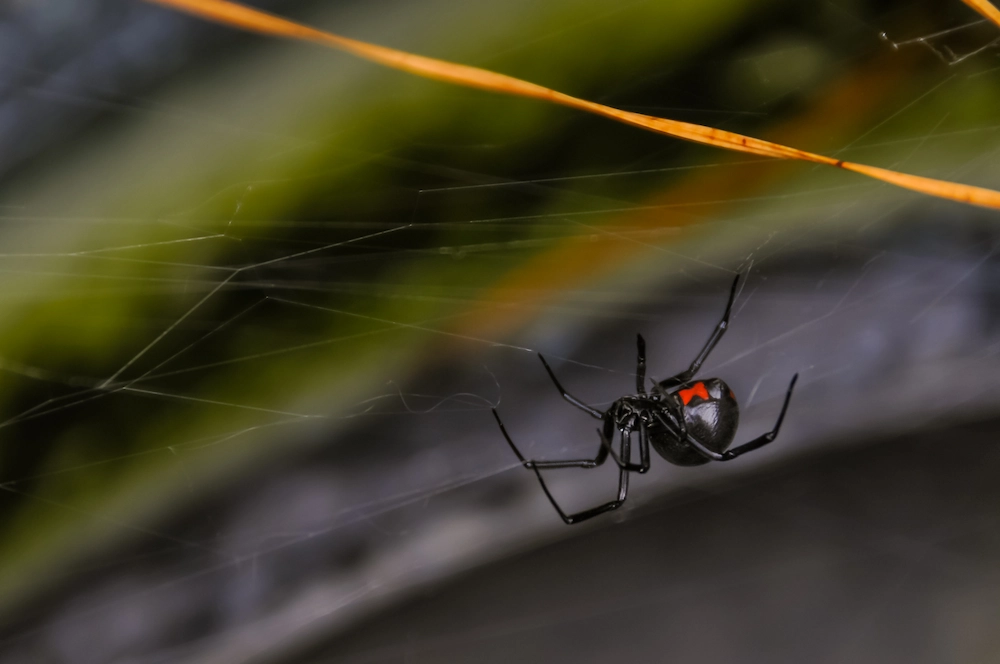
Illinois has plenty of house spiders that are more nuisance than threat. But two species deserve special attention: the black widow and the brown recluse. Both prefer to hide, and both will avoid you when possible—yet each can deliver a bite that needs prompt evaluation.
Black widow spider bite: what it looks and feels like
- Appearance at the site: Often minimal at first—sometimes just a small red spot or slight swelling.
- Systemic symptoms: Within 30–60 minutes, some people develop muscle pain and cramping (often in the back, abdomen, or shoulders), sweating, headache, nausea, or restlessness.
- Who’s at higher risk: Children, older adults, and anyone with underlying medical conditions may experience stronger reactions.
- What to do: Clean the bite with soap and water, apply a cold compress, and monitor closely. If cramps, chest pain, trouble breathing, or severe pain develop, seek medical care.
Brown recluse bite symptoms to recognize
- Early signs: May be painless at first, then becomes tender or burning within hours.
- Skin changes: A blister or bruise‑like area can develop; the center may turn pale with a darker ring (“bull’s‑eye”). In some cases, tissue damage appears over 24–72 hours.
- Systemic symptoms: Fever, chills, malaise, or nausea are possible in more serious reactions.
- What to do: Wash the area, use a cold compress, elevate if on an arm/leg, and watch for spreading redness or worsening pain. If a wound enlarges, blisters, or shows darkening tissue, get medical care promptly.
First Aid for Suspected Spider Bites
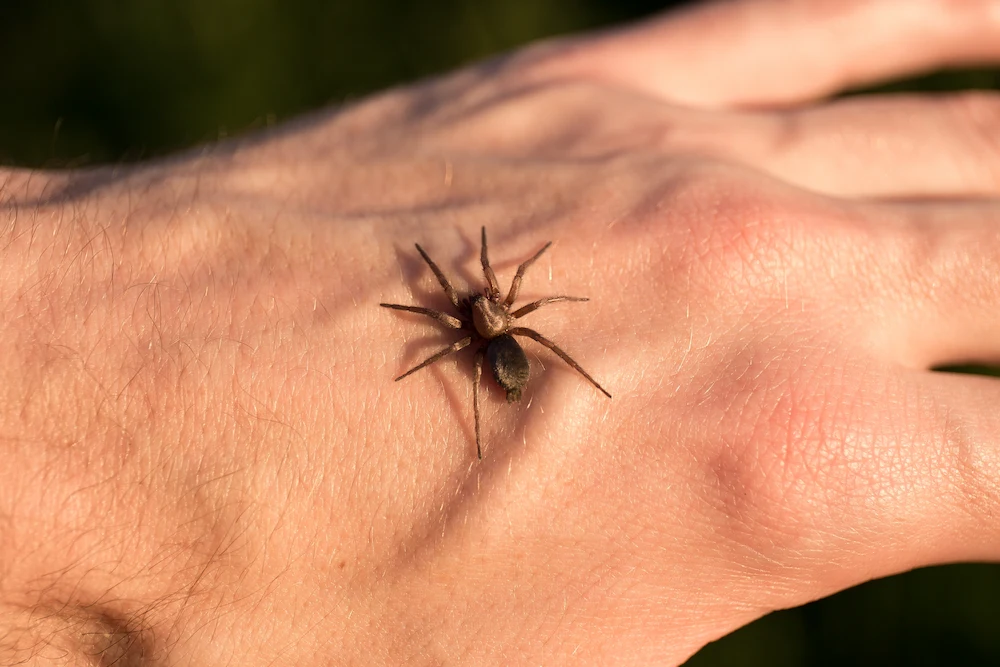
- Stay calm and move away from the spider. Most bites aren’t medically urgent.
- Wash the area with soap and water; pat dry.
- Apply a cold compress (10 minutes on, 10 minutes off) to reduce pain and swelling.
- Consider an over‑the‑counter pain reliever or antihistamine as directed on the label.
- Elevate the limb if the bite is on an arm or leg.
- Avoid cutting, squeezing, or attempting to “suck out” venom—these methods can worsen the injury.
Go to urgent care or the ER if you have severe pain, spreading redness, signs of infection (pus, fever), muscle cramps, trouble breathing, a rapidly expanding wound, or symptoms that concern you. If a child was bitten, err on the side of caution and seek care.
Where Spiders Hide (and How to Avoid Them)
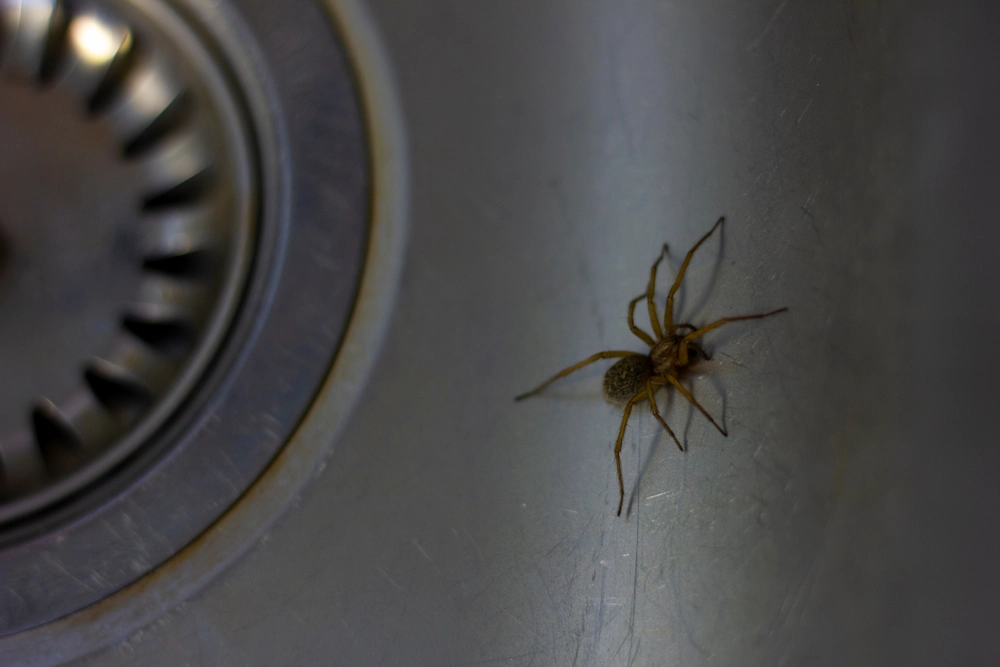
Spiders like quiet, undisturbed spots. Indoors, that means basements, attics, closets, utility rooms, and the space behind stored boxes. Outdoors, look around stacked firewood, sheds, crawlspaces, under patio furniture, and inside rarely used boots or gloves.
Simple habits lower your risk:
- Shake out shoes, gloves, and outdoor gear before wearing.
- Keep storage areas organized; use sealed plastic bins instead of cardboard.
- Seal gaps around doors, windows, utility penetrations, and foundation cracks.
- Reduce clutter along baseboards and in closets; vacuum webs with a hose attachment.
- Use yellow or warm‑temperature exterior bulbs to attract fewer insects—the spider’s food source.
- Trim vegetation back from the house and remove debris piles where spiders and their prey hide.
Professional Help for Peace of Mind
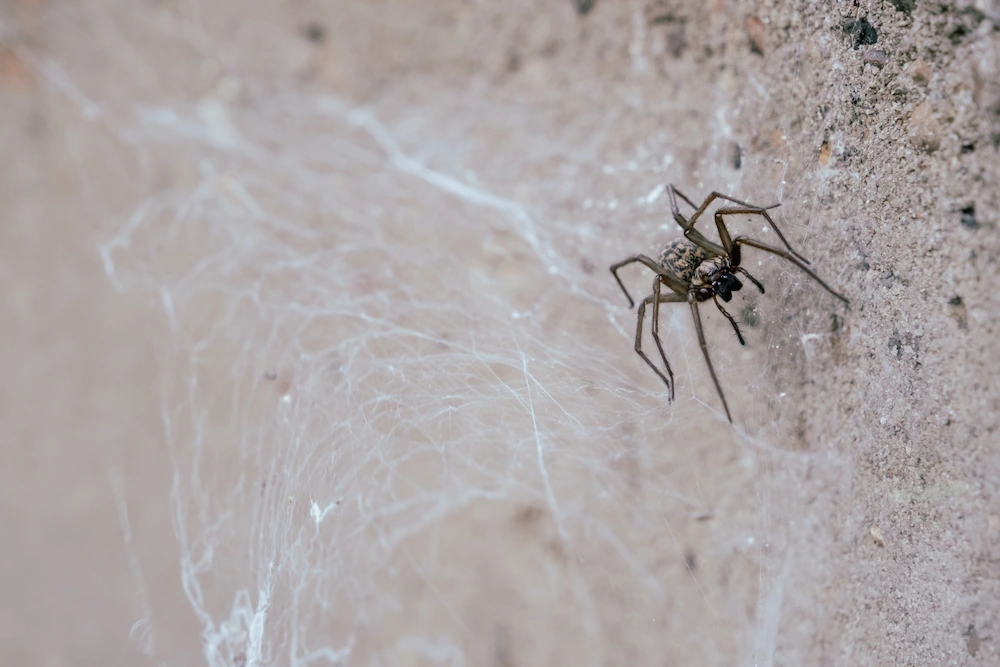
If you’re seeing spiders regularly—or you’ve found webs in kid‑ or pet‑spaces—it may be time for targeted control. A licensed technician can identify species, remove webs, and treat the hidden zones that DIY often misses.
Pointe Pest Control serves communities across Chicagoland with inspections, exclusion, and treatments designed to reduce both spiders and the insects they feed on. Prefer a local team who knows your area? We’ve got you covered. Contact us for a free quote today!
Learn more about scheduling spider service locally: Naperville spider control and Elmhurst spider control.
FAQs
Q: Do spiders bite humans on purpose?
A: Rarely. Most spiders bite only when trapped or threatened.
Q: Can I identify a spider by the bite alone?
A: Not reliably. A photo of the spider can help a professional identify it, but many bites from different insects look similar.
Q: Is every brown spider a brown recluse?
A: No. Many harmless brown spiders live in Illinois. Accurate identification is key.
If you suspect a black widow spider bite or you notice classic brown recluse bite symptoms, don’t wait for things to get worse—get medical guidance and consider a professional inspection.
Bottom line: Most spider encounters are low‑risk, but knowing how to recognize dangerous spider bites and how to keep spiders out of your home makes all the difference.
Citations
Spider bites. (2024, April 23). Cleveland Clinic. Retrieved October 22, 2025, from https://my.clevelandclinic.org/health/diseases/16639-spider-bites
Request a Free Quote Today
(We do not share your data with anybody, and only use it for its intended purpose)
