
How Stinging Insects Grow Their Colonies So Quickly
How Stinging Insects Grow Their Colonies So Quickly
Summary: Learn how stinging insect colonies grow so quickly, why queens reproduce continuously, and how early prevention can reduce nest problems around your home.
Many homeowners are surprised by how quickly a small wasp or hornet nest can become a major problem. What starts as a single queen in early spring can grow into a colony containing hundreds or even thousands of insects by late summer. This rapid growth is a normal part of the colony’s lifecycle and explains why stinging insect activity increases as the season progresses.
Understanding how stinging insect colonies develop can help homeowners recognize early warning signs and take action before nests become larger and more difficult to manage.
It All Starts With the Queen
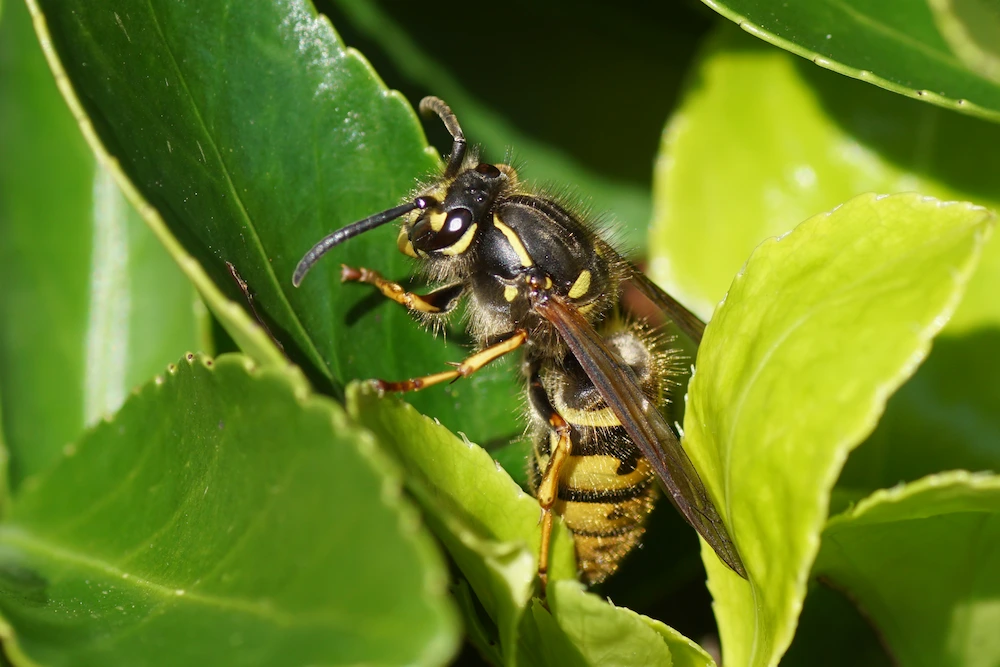
The entire colony begins with a single fertilized queen that survives the winter in a protected location. As temperatures warm in spring, she emerges from hibernation and begins searching for a suitable nesting site.
Once a location is selected, the queen builds the first few nest cells and lays her initial batch of eggs. During this early stage, she is responsible for every task, including nest construction, egg laying, and gathering food for developing larvae.
This period is relatively quiet because the colony is still small. Many homeowners never notice a nest until much later in the season.
The Queen’s Main Job Is Reproduction
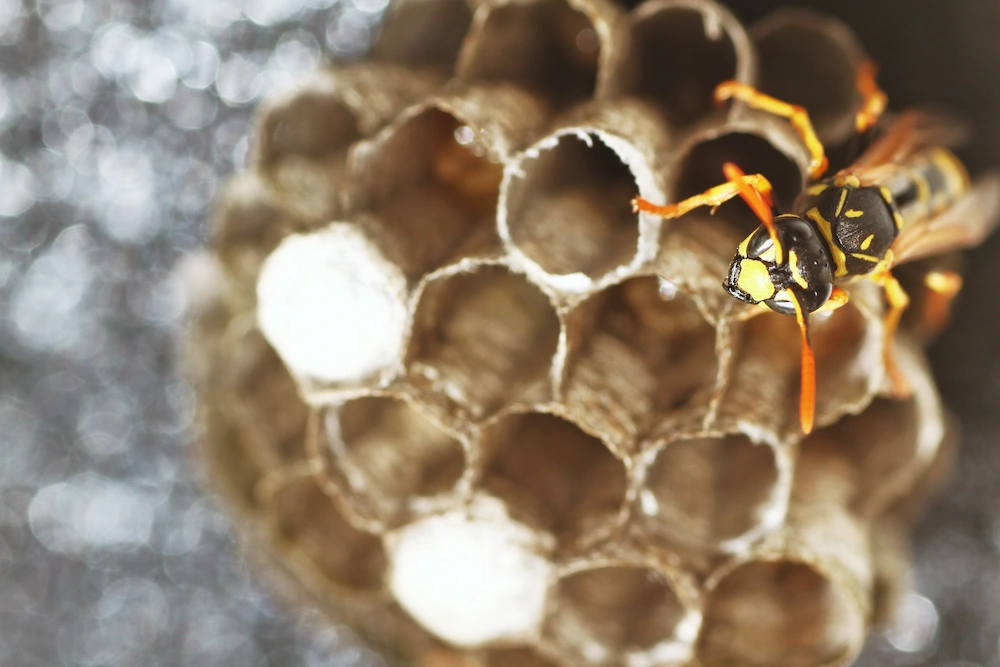
After the first generation of worker insects reaches adulthood, the queen’s role changes dramatically. Instead of leaving the nest to gather food, she remains inside and focuses almost entirely on laying eggs.
Worker insects take over nest building, feeding larvae, protecting the colony, and searching for food. This division of labor allows the queen to reproduce continuously throughout the season, leading to rapid colony growth.
As more workers hatch, they support even more developing larvae, creating a cycle that allows colonies to expand at an impressive rate.
Why Colonies Grow Faster During Summer
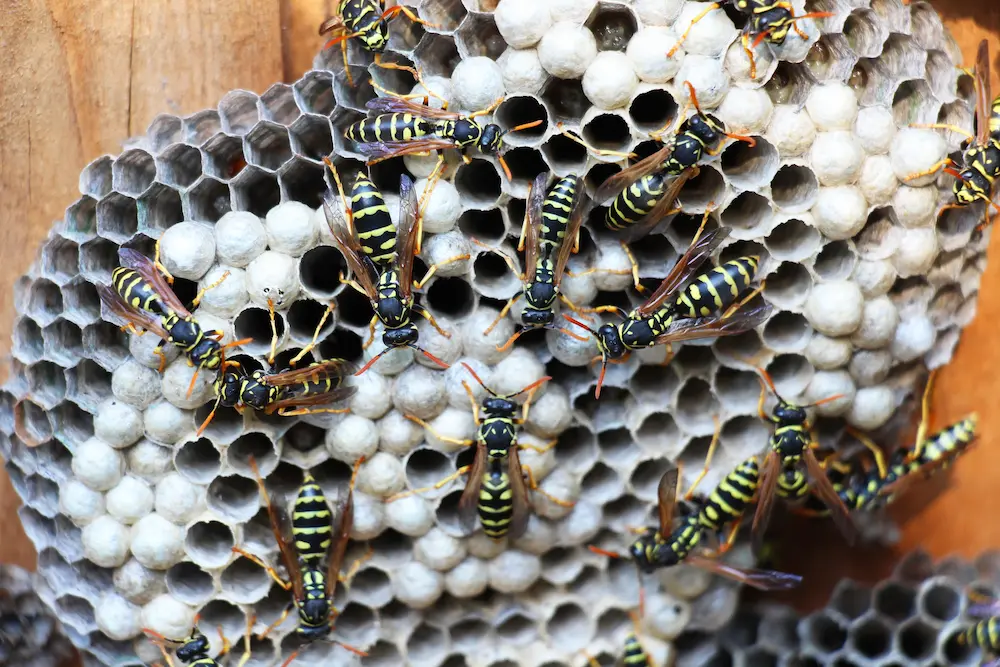
Warm temperatures and abundant food sources help colonies develop quickly. Workers spend long hours collecting insects, nectar, and other food to feed the growing population, allowing new generations to mature rapidly.
By mid to late summer, a colony may contain hundreds of workers. At this stage, homeowners are much more likely to notice increased activity around the nest because so many insects are constantly leaving and returning.
This is also when stinging insects become more visible around patios, gardens, garbage bins, and outdoor dining areas.
Where Stinging Insects Build Nests
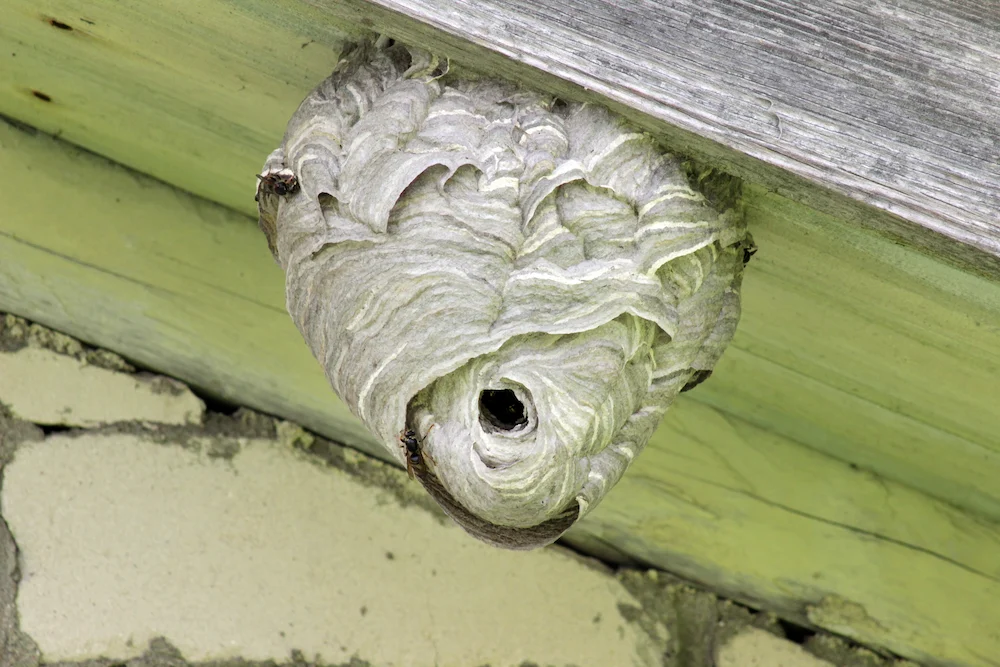
Different species choose different nesting locations, but many prefer protected areas that provide shelter from weather and predators.
Common nesting sites include:
- Roof eaves and soffits
- Trees and shrubs
- Garages, sheds, and barns
- Decks and porches
- Underground cavities or abandoned rodent burrows
Checking these areas periodically during spring can help homeowners spot small nests before they develop into large colonies.
Why Late Summer Activity Increases
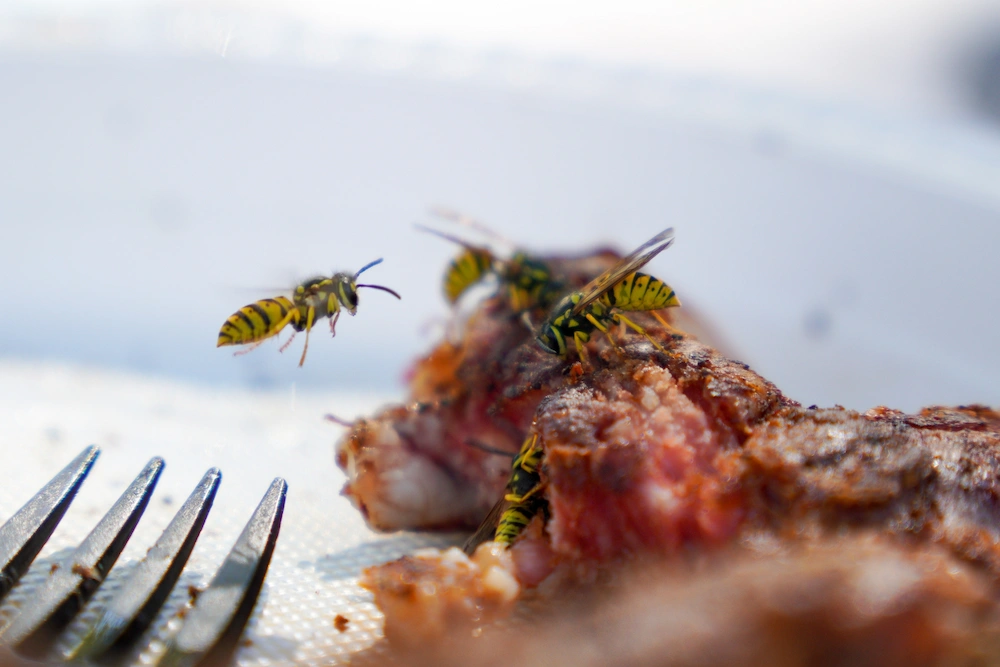
Many people notice that wasps and other stinging insects seem more aggressive later in the season. This is largely because colonies have reached their maximum size, meaning there are many more workers searching for food each day.
Natural food sources may also begin to decline, causing workers to investigate sugary drinks, fruit, outdoor meals, and garbage more frequently. This increased foraging behavior often leads to more encounters with people.
Although the insects may appear more aggressive, they are usually focused on feeding the colony and protecting the nest.
How to Reduce the Risk of Large Colonies
The best way to prevent major stinging insect problems is to identify nests early. Small nests found during spring are generally much easier and safer to address than large colonies later in the season.
Helpful prevention strategies include:
- Inspect rooflines, sheds, and decks regularly
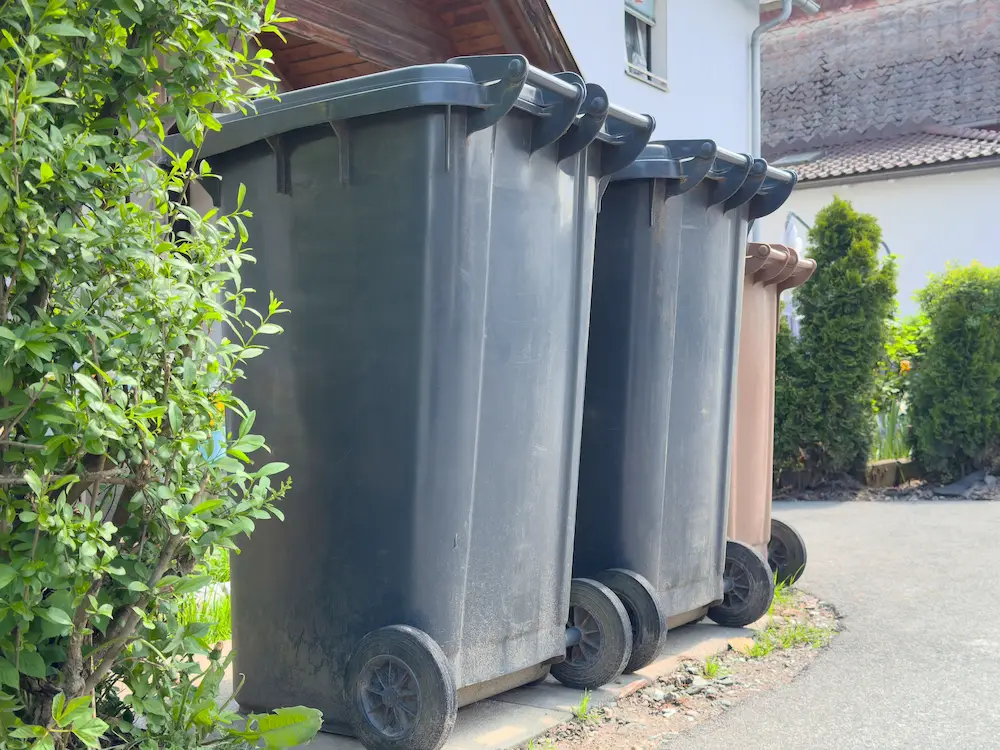
- Keep outdoor trash bins tightly sealed
- Remove food and drink promptly after outdoor meals
- Seal openings around structures where insects may nest
Regular inspections can help detect nesting activity before colonies expand significantly.
When Professional Pest Control Is the Best Option
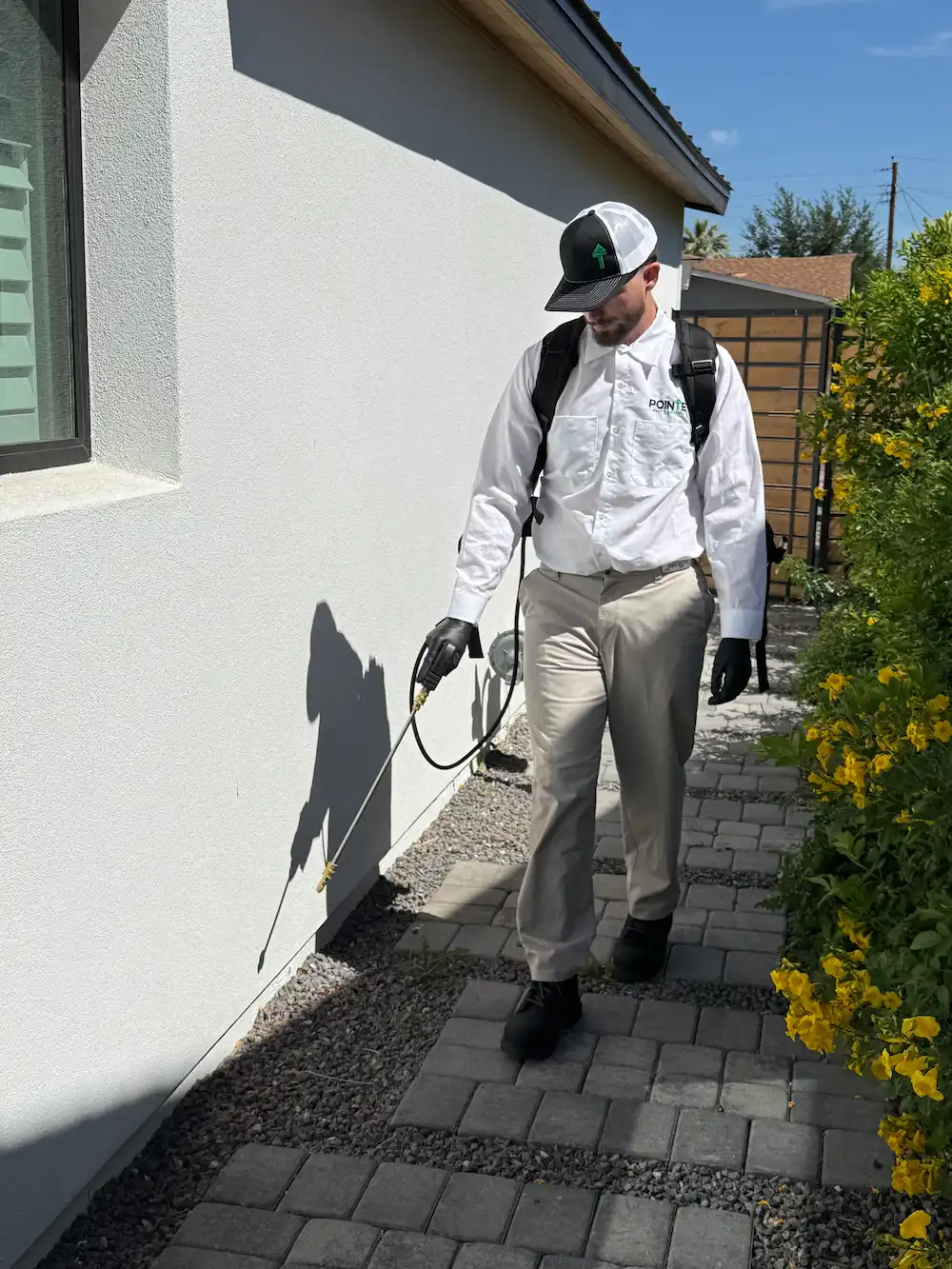
Large or active stinging insect nests should never be disturbed without proper equipment and training. Attempting to remove a mature colony can increase the risk of multiple stings and provoke defensive behavior.
Professional pest control technicians can safely identify the species, locate hidden nests, and recommend the most effective treatment methods. Addressing nests early in the season is often the safest and most effective approach.
Understanding Colony Growth Helps Prevent Bigger Problems
The rapid growth of stinging insect colonies is driven by one simple factor: a queen dedicated to reproduction while worker insects handle every other responsibility. As the colony grows, so does the amount of visible activity around your home.
By understanding how colonies develop and watching for early nesting activity, homeowners can reduce the chances of dealing with large populations later in the summer and enjoy outdoor spaces with fewer unwanted encounters. Contact us for a free quote on our efficient stinging pest control services today!
Citations
What causes wasp nests to grow fast in early summer?. (2025, November 25). Rentokil. Retrieved July 8, 2026, from https://www.rentokil.com/nz/blog/miscellaneous/what-causes-wasp-nests-to-grow-fast-in-early-summer
Request a Free Quote Today
(We do not share your data with anybody, and only use it for its intended purpose)
