
Best Practices for a Pest-Free Garden: Prevention Tips and Common Invaders
Best Practices for a Pest-Free Garden: Prevention Tips and Common Invaders
Summary: Learn how to keep your garden pest-free with practical prevention tips, natural control methods, and strategies for managing common garden pests.
A healthy garden can provide beautiful flowers, fresh vegetables, and a relaxing outdoor space. Unfortunately, gardens also attract a variety of insects and pests looking for food and shelter. Without proper care, a small pest problem can quickly turn into a larger infestation that affects plant health and reduces yields.
Learning how to keep your garden pest-free starts with prevention. By understanding which pests are most likely to invade and taking proactive steps to discourage them, gardeners can protect their plants while maintaining a thriving outdoor environment.
Why Gardens Attract Pests
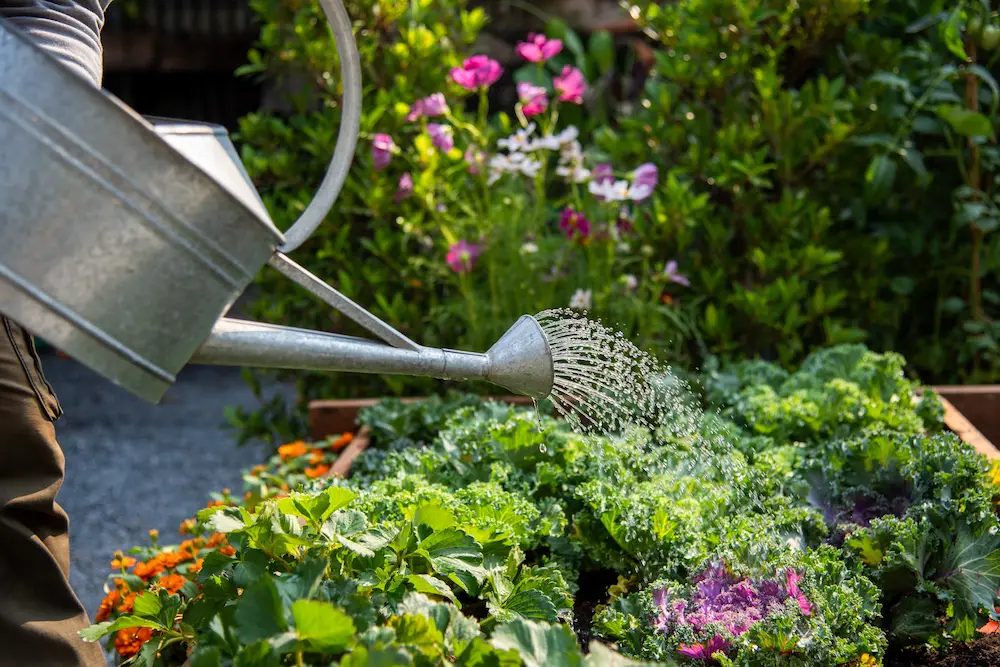
Gardens offer many of the resources pests need to survive. Plants provide food, dense foliage creates shelter, and moisture from irrigation can support insect activity. While some insects benefit the garden through pollination, others feed on leaves, stems, roots, or fruits.
Environmental conditions also play a role. Warm temperatures and increased humidity often lead to higher insect populations throughout the growing season. Recognizing potential risks early is one of the most effective garden pest prevention tips homeowners can follow.
Common Garden Pests to Watch For
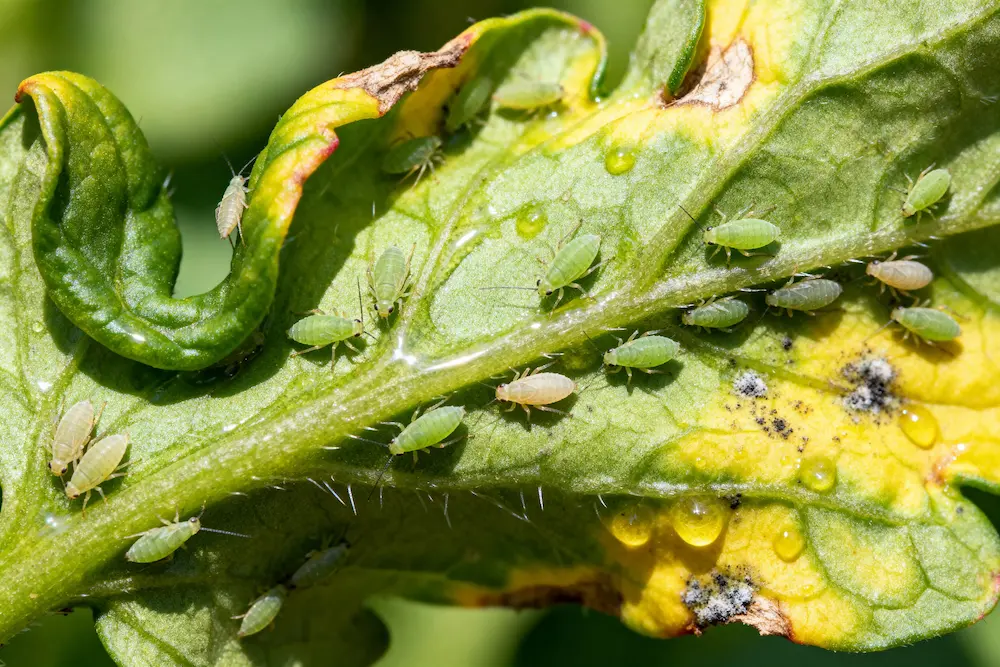
Every garden is different, but certain insects are frequent visitors in landscapes and vegetable gardens. Identifying pests early can help prevent significant plant damage.
Some common garden pests include:
- Aphids that feed on plant sap and weaken growth
- Caterpillars that chew through leaves and stems
- Beetles that damage flowers, vegetables, and foliage
- Whiteflies that gather on the undersides of leaves
- Slugs and snails that feed on tender plants and seedlings
Regular inspections allow gardeners to spot activity before pests become established and spread throughout the garden.
Keep Plants Healthy and Strong
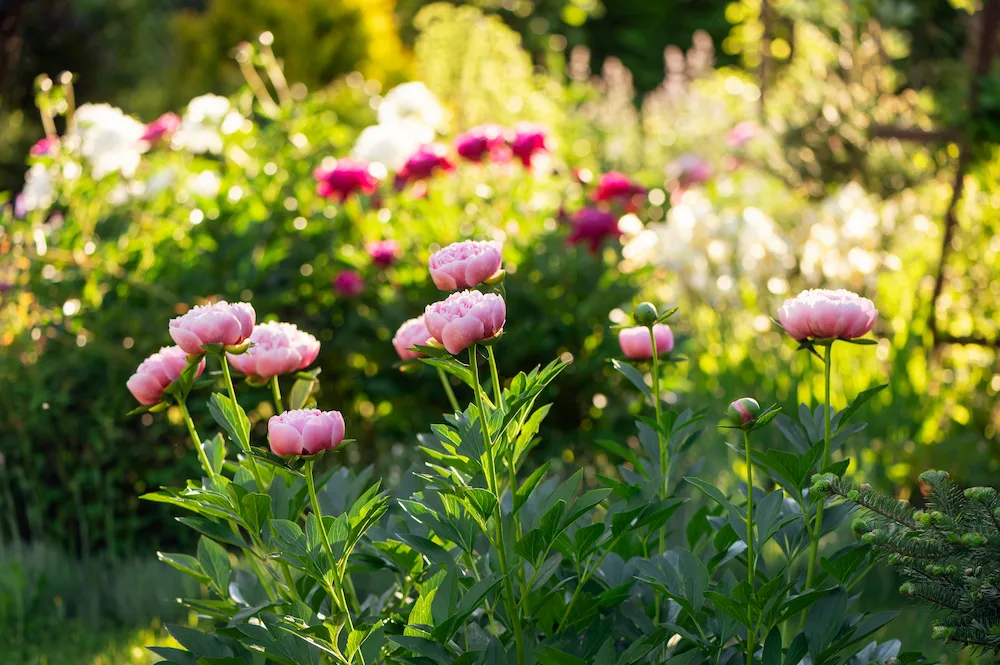
Healthy plants are generally better equipped to withstand pest pressure than stressed or unhealthy plants. Proper watering, fertilization, and spacing can help plants grow stronger and become less vulnerable to insect damage.
Overcrowded gardens often create conditions where pests thrive. Good airflow between plants reduces moisture buildup and makes it more difficult for insects and plant diseases to spread. Maintaining healthy growing conditions is an important part of long term prevention.
Strong plants are also more likely to recover from minor pest damage without requiring extensive intervention.
Remove Pest-Friendly Conditions
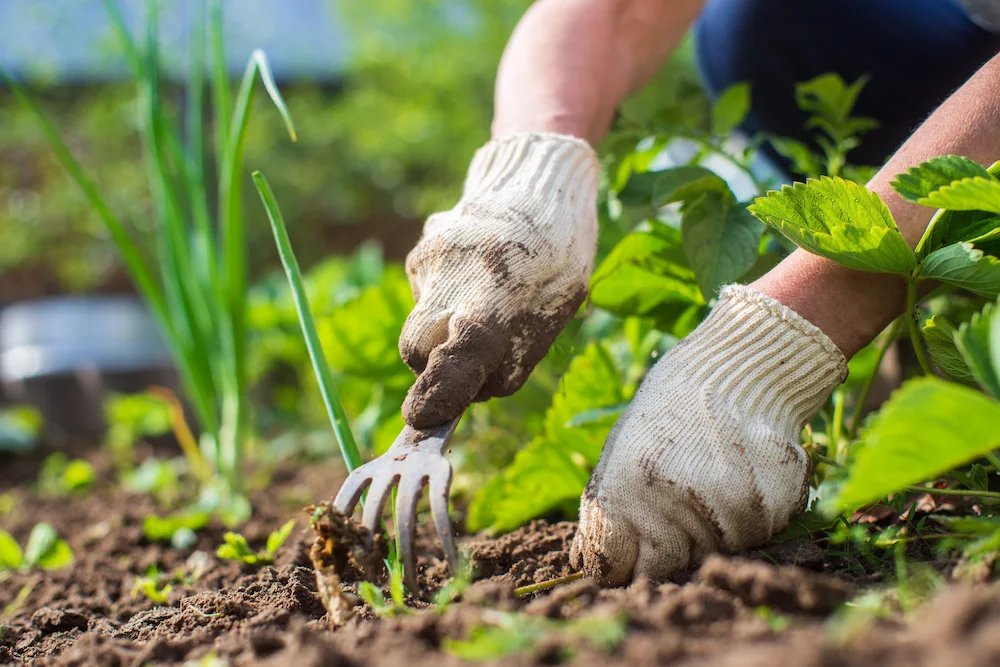
Many pests take advantage of clutter, weeds, and decaying plant material. These areas provide shelter and breeding sites that allow pest populations to grow unnoticed.
To help reduce garden invaders:
- Remove weeds regularly to eliminate hiding places
- Dispose of dead leaves and plant debris promptly
- Clean up fallen fruits and vegetables from the soil
- Avoid allowing excessive moisture to accumulate
These simple maintenance habits can make a garden less attractive to insects and support healthier plant growth.
How to Protect Plants From Insects Naturally
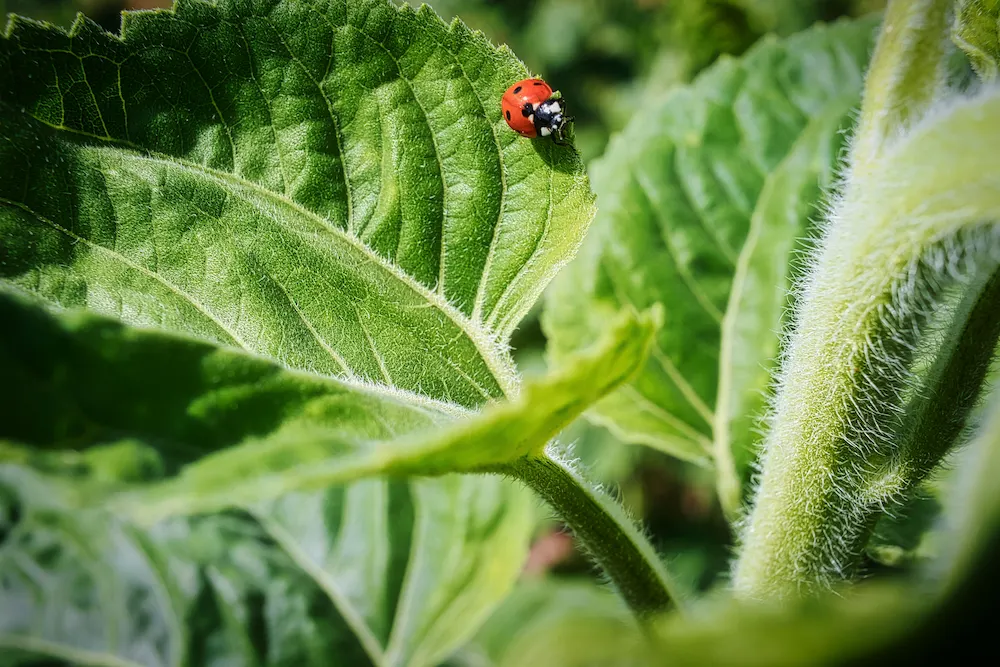
Many gardeners prefer to start with non-chemical solutions whenever possible. Learning how to protect plants from insects naturally can help reduce pest populations while supporting beneficial insects that contribute to the garden ecosystem.
Natural approaches may include encouraging beneficial predators such as ladybugs, using physical barriers like row covers, or hand-removing pests when populations are small. Monitoring plants frequently allows gardeners to address issues before major damage occurs.
Natural pest control for gardens often works best when combined with consistent maintenance and early detection.
Water Wisely to Prevent Pest Problems
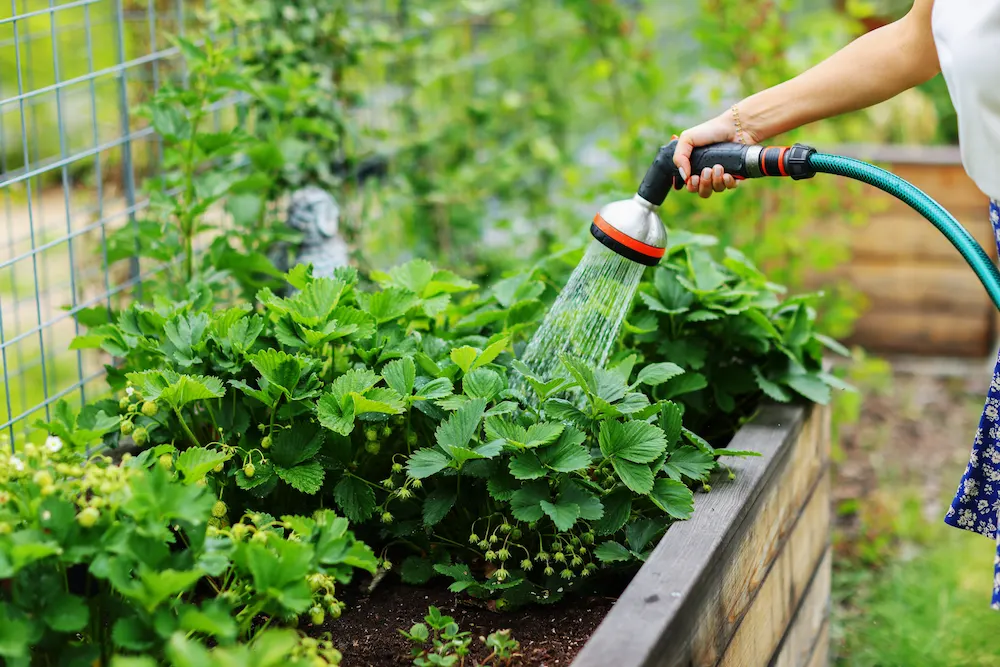
Water management is an important but often overlooked aspect of pest prevention. Overwatering can create damp conditions that attract certain insects and encourage plant stress.
Watering early in the day allows plants to dry more efficiently and reduces excess moisture around foliage. It is also helpful to direct water toward the soil rather than the leaves whenever possible.
Maintaining proper moisture levels helps create an environment that supports plant health while limiting conditions that many pests prefer.
When Garden Pests Become a Bigger Problem
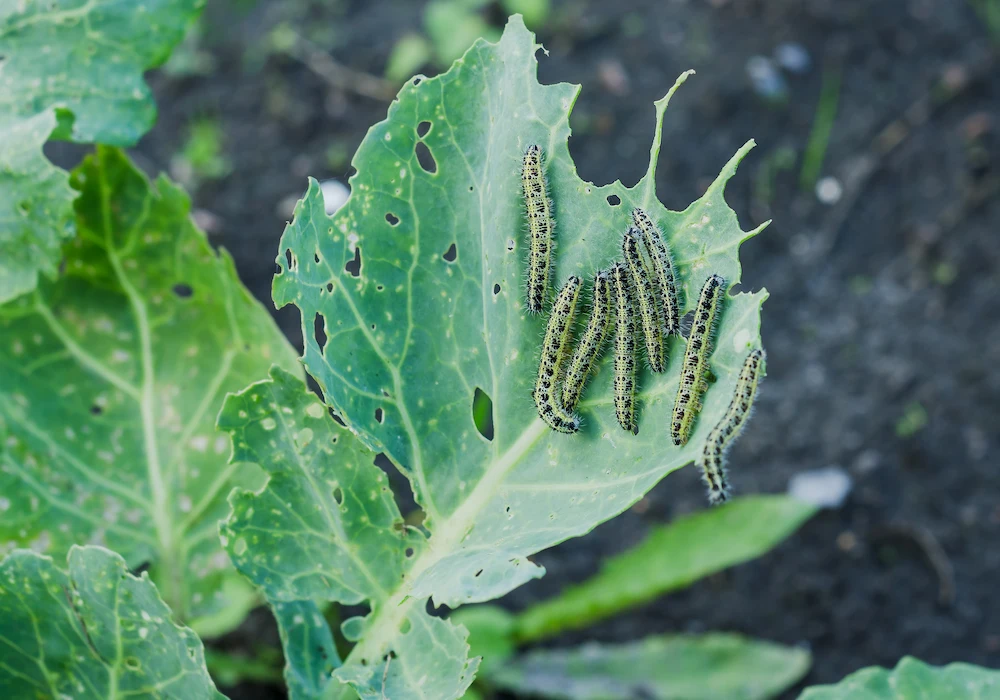
Even well maintained gardens can occasionally experience pest outbreaks. Weather conditions, nearby vegetation, and seasonal insect cycles can all contribute to sudden increases in pest activity.
If you notice widespread plant damage, rapidly growing insect populations, or recurring issues that are difficult to manage, additional pest control measures may be necessary. Identifying the specific pest involved is often the first step toward finding an effective solution.
The sooner a problem is addressed, the easier it is to prevent long term damage to plants and garden beds.
Enjoying a Healthier, Pest-Free Garden
A thriving garden begins with prevention. By understanding common garden pests, maintaining healthy plants, and reducing conditions that attract insects, homeowners can significantly lower the risk of infestations.
Knowing how to keep your garden pest-free is not about eliminating every insect. Instead, it involves creating a balanced environment where plants can flourish and pest problems remain manageable. With consistent care and attention, your garden can remain productive, healthy, and enjoyable throughout the growing season. For a free quote on our efficient services, contact us today!
Citations
Snow, M. (n.d.). 5 pollinator-friendly ways you can manage garden pests. U.S. Fish & Wildlife Service. Available at https://www.fws.gov/story/5-pollinator-friendly-ways-you-can-manage-garden-pests (Accessed on June 19, 2026).
Request a Free Quote Today
(We do not share your data with anybody, and only use it for its intended purpose)
