
How Mice Invade Different Rooms in the House
How Mice Invade Different Rooms in the House
Summary: Mice move around often and rarely stay in one room. This post explains their hidden travel routes through walls, floors, and utility lines, plus practical steps to block those pathways and reduce repeat activity.
You spot one mouse in the kitchen and think, “Okay, we’ll deal with it.” Then a day later there’s scratching in a wall, droppings in the pantry, and somehow the laundry room smells a little off. Mice rarely stay in one spot. Once they find a way inside, they treat your home like a connected neighborhood.
This guide breaks down how they travel room to room, why they choose certain routes, and what you can do to interrupt their routine before a small issue turns into a whole-house headache.
Why Mice Do Not Stay in One Room

Mice are small, curious, and constantly moving. They are not exploring for fun. They are following the basics: food, water, and safe shelter. If those needs are spread out, their routes will be too. A quiet basement offers nesting spots, the kitchen offers snacks, and bathrooms or laundry areas offer condensation and tiny water sources.
Another reason they roam is safety. A mouse that feeds in the open is a mouse that gets caught. Instead, they hug edges and use hidden pathways, then pop out briefly where they feel it is worth the risk. That is why sightings can feel random when they are anything but.
The Hidden Highways: Wall Voids, Pipes, and Floor Gaps
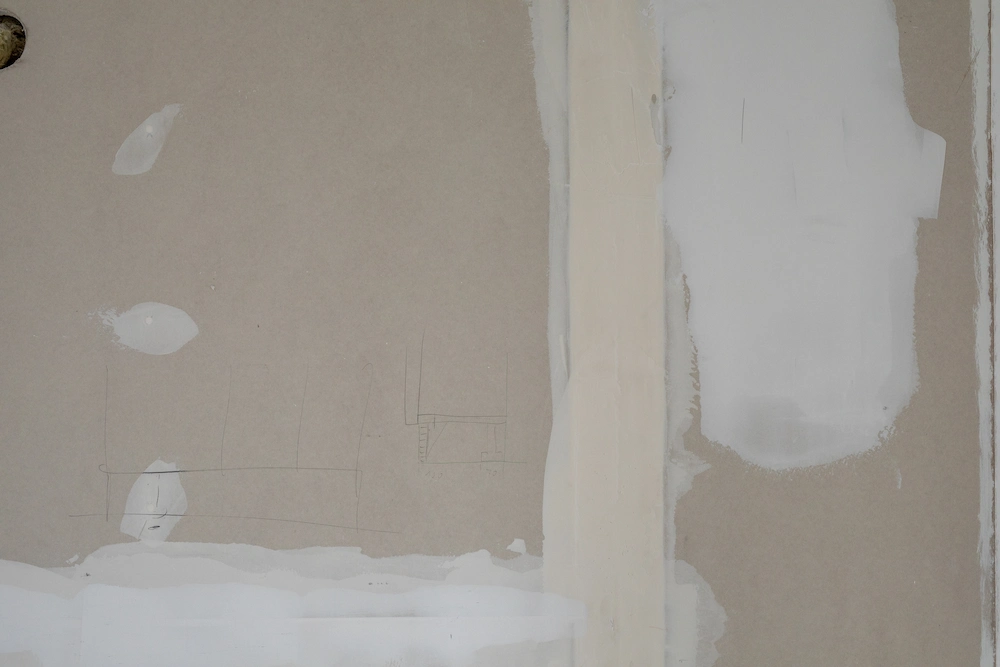
If you have ever wondered how mice move through a house, picture everything you cannot see. Behind drywall is open space between studs. Above ceilings are joist bays. Below floors are cavities and chases where plumbing, wiring, and ducts run from one part of the home to another. Those spaces are protected, dark, and usually warm, which is exactly what rodents like.
Mice are also built for tight navigation. Their bodies compress, their claws grip rough surfaces, and they can climb surprisingly well if they can brace against two surfaces at once. That is why utility penetrations matter so much. A small gap around a pipe under the sink is not just an entry point. It is a connector that links the kitchen wall to the basement ceiling and then to the rest of the house.
Common routes mice use most often include:
- Wall voids that connect kitchens, bathrooms, and laundry rooms
- Plumbing and HVAC chases that run vertically between floors
- Gaps around cabinets, baseboards, and kick plates where they can stay hidden
How Mice Get Between Rooms Without Being Seen
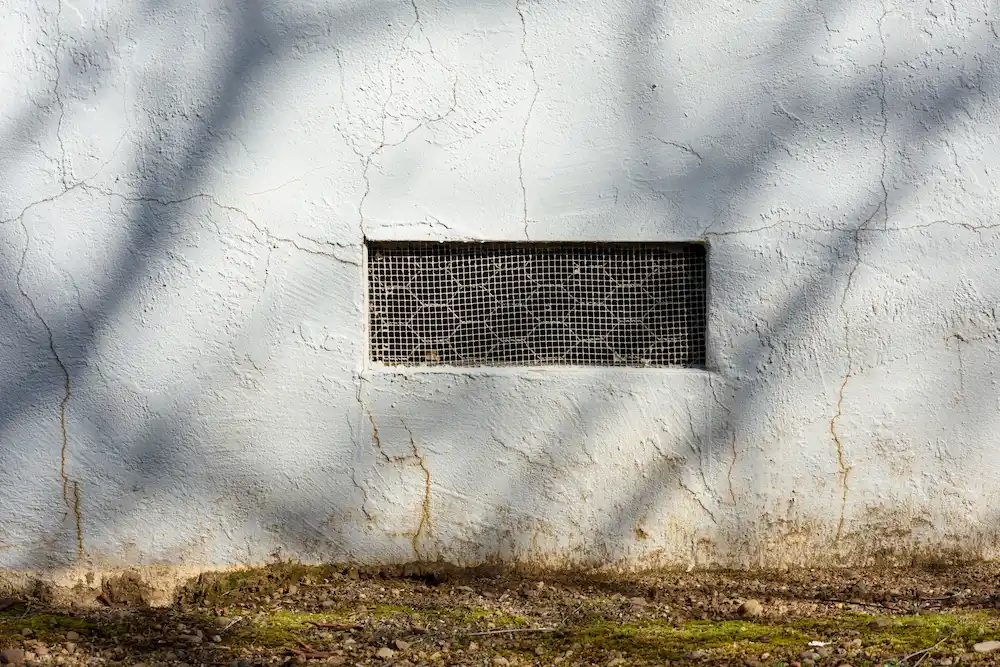
Most homeowners imagine a mouse sprinting across a hallway. What really happens is quieter. When you hear scratching at night, that is often mice traveling through walls, moving along studs, electrical lines, and small ledges inside the wall cavity.
From there, they enter rooms at predictable points. Under sinks, behind appliances, inside pantry corners, and around floor registers are common exit locations because these areas already have gaps and cover. In many homes, the kitchen becomes the hub, with quick “spoke” routes to a nearby dining room, mudroom, or garage wall.
Kitchen and pantry
Food smells pull mice in, but they prefer to travel behind stoves, dishwashers, and refrigerators. The openings where plumbing lines pass into the wall can connect to the basement or crawl space, creating an easy loop.
Basement and crawl space
These areas are like mouse highways. You have exposed beams, stored items, and fewer disturbances. Once they are established here, they can spread upward through the same utility runs that feed your sinks, showers, and heating system.
Attic and upper floors
If they reach an attic, mice move along insulation and joists and then drop down into wall cavities. Small ceiling gaps around light fixtures or vents can become their doorways into bedrooms or closets.
Garage and utility rooms
Garages often have more entry points and fewer finished seals. From the garage wall, mice can slip behind drywall and emerge near a water heater closet, laundry room, or kitchen cabinet base.
Signs That Mouse Movement Is Happening Across Your Home

Because mice prefer hidden travel, the signs are often indirect. Instead of focusing on where you saw one mouse, look for the trail that shows mouse movement inside homes. The goal is to find where they are repeatedly traveling, not where they got spotted once.
Watch for patterns. Droppings that show up along the same baseboard line, greasy rub marks on corners, or gnawing in the same cabinet area usually point to a route. In quieter spaces like basements and attics, you may also find shredded nesting material near a warm motor or insulation.
To map their activity, check under sinks and behind toilets where pipes enter the wall, along basement sill plates and foundation edges, behind appliances and inside cabinet voids, and around attic access points, ductwork, and recessed lighting.
Why Room-to-Room Travel Makes Infestations Grow Faster
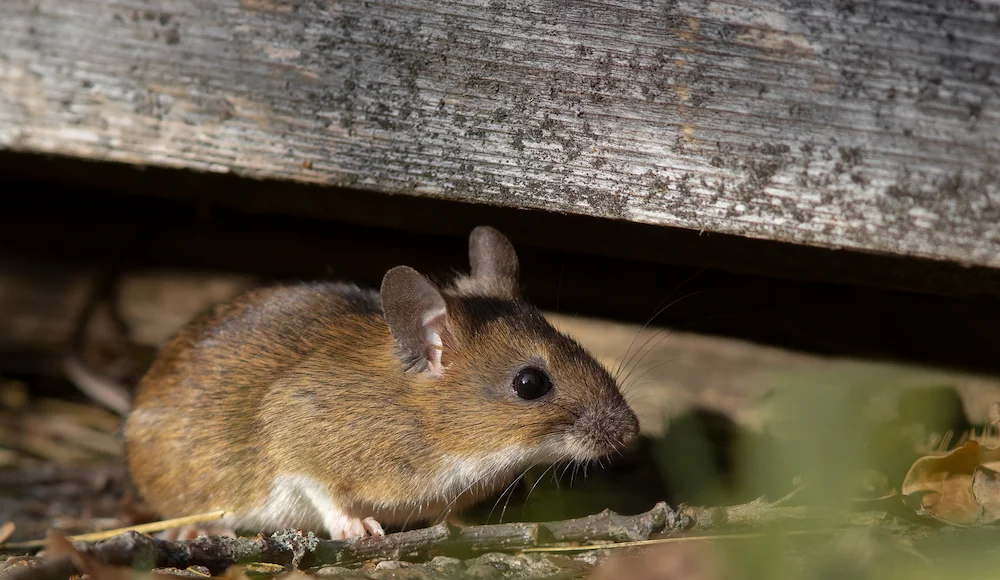
One reason mice problems escalate is that movement equals opportunity. Each room they visit provides a new food source, a new hiding spot, and a new place to leave scent trails. Those trails help them repeat the same route and help other mice follow it later.
That is also how mice spread indoors. A single entry point can lead to activity in multiple rooms within days, especially if they find a dependable food supply and a safe nesting location. When the route is protected inside walls, it is easy for them to expand without being noticed until the signs show up everywhere at once.
How to Interrupt Mouse Travel and Block Their Routes
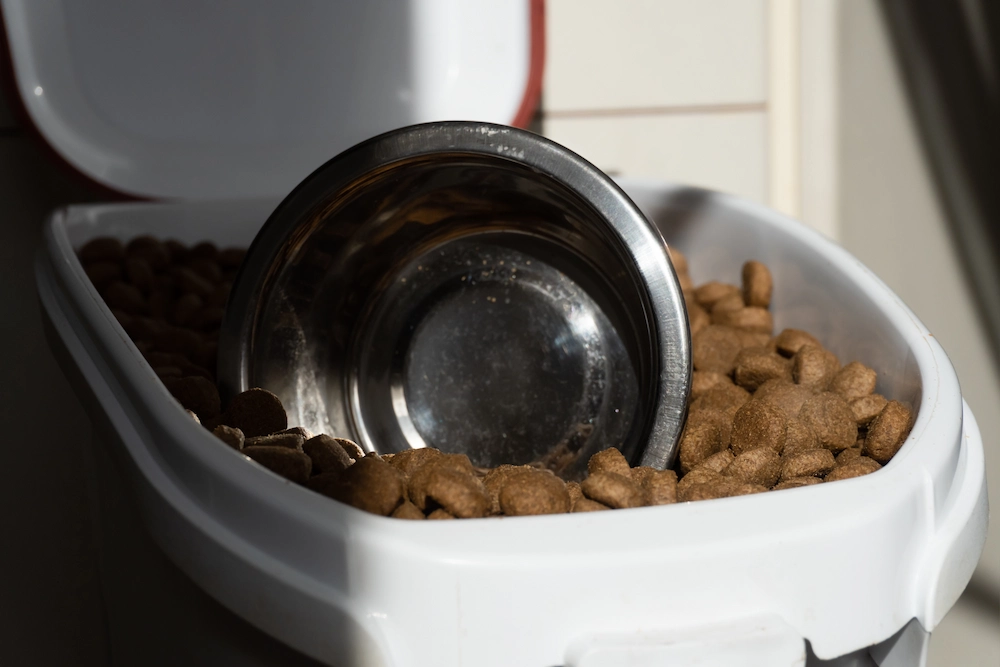
The best strategy is to disrupt the system, not chase the mouse you saw. Start with sanitation and storage so the kitchen is not rewarding, then focus on exclusion so hidden pathways do not stay open. Traps can help, but they work best when placed on travel routes, not in the middle of open rooms.
Here are practical steps that make a real difference:
- Seal gaps around pipes under sinks with rodent-resistant materials
- Add door sweeps and repair weather stripping at exterior doors
- Reduce clutter in basements, garages, and storage rooms so mice have fewer hiding spots
- Store food, pet food, and bird seed in sealed containers
- Place traps along walls where droppings or rub marks show regular travel
If you are seeing signs in more than one area, it often means the routes are established and connected behind the scenes. Professional help can be especially useful when you need a full inspection to find hidden entry points and a plan to shut them down safely.
If you want a pro to tackle active activity and the hidden entry points, start with Pointe’s rodent control services. If you are in the western suburbs, you can also check out rodent control in West Chicago for local support.
Conclusion: Stop the Hidden Routes Before They Multiply
Mice are not just “in the kitchen” or “in the basement.” They are using the spaces in between to travel, search, and settle. When you understand their routes, the problem becomes easier to target and less stressful to manage.
If you are hearing movement in walls, finding droppings in multiple rooms, or dealing with repeat sightings, Pointe Pest Control can help you identify the routes, close the gaps, and get your home back to normal. Contact us for a free quote on our reliable rodent services!
Citations
Kraft, S. & Pinto, L. (2025, October 23). Know something about the habits of mice. Pest Control Technology. Available at https://www.pctonline.com/news/know-something-about-the-habits-of-mice/ (Accessed on December 16, 2025).
Request a Free Quote Today
(We do not share your data with anybody, and only use it for its intended purpose)
