
Termites vs. Carpenter Ants: How to Tell the Difference and Why It Matters
Summary: Learn the key differences between termites and carpenter ants, including how to identify them, the damage they cause, and why proper identification matters.
Many homeowners panic when they discover insects crawling near wood or notice signs of damage around the home. Two of the most commonly confused pests are termites and carpenter ants. While they may look somewhat similar at first glance, they behave very differently and require different treatment approaches.
Understanding the differences between termites and carpenter ants is important because misidentifying the problem can delay proper treatment. Both pests can damage wood, but the type of damage they cause and the risks they present are not the same.
Why Homeowners Confuse Termites and Carpenter Ants
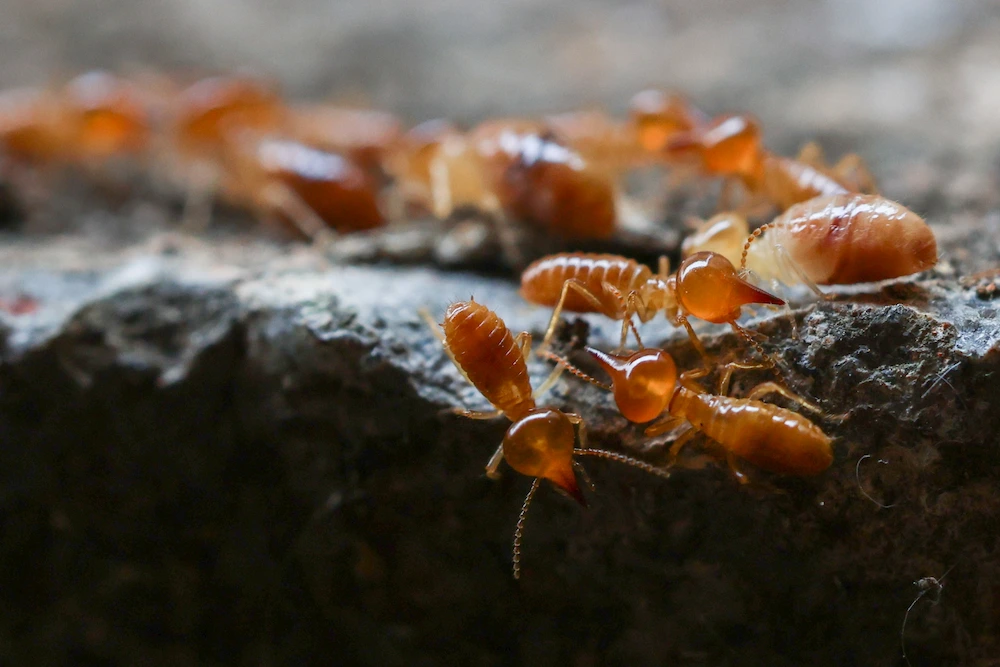
Termites and carpenter ants are often mistaken for one another because both insects can appear near wood structures and both may produce winged swarmers during certain times of the year. Seeing flying insects indoors can make it difficult for homeowners to know which pest they are dealing with.
The confusion becomes even more common when homeowners notice damaged wood but do not see the insects directly. Knowing how to tell termites from carpenter ants can help you identify the issue earlier and choose the right course of action before the damage becomes more severe.
Physical Differences Between Termites and Carpenter Ants
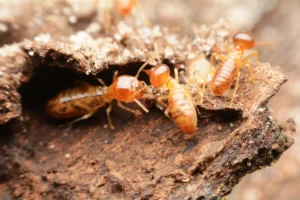
Termites
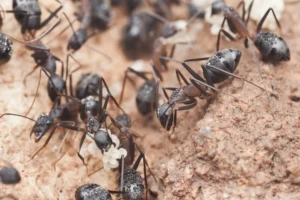
Carpenter ants
One of the easiest ways to distinguish termites from carpenter ants is by looking closely at their bodies. Although both insects may appear dark and similar in size, there are clear differences in shape and appearance.
Carpenter ants have narrow, pinched waists and bent antennae. Their wings are uneven in size, with the front wings noticeably larger than the back wings. Termites, on the other hand, have broad waists, straight antennae, and wings that are nearly equal in length.
These physical characteristics are often the fastest way to identify whether you are dealing with a termite or carpenter ant infestation.
Differences in the Damage They Cause
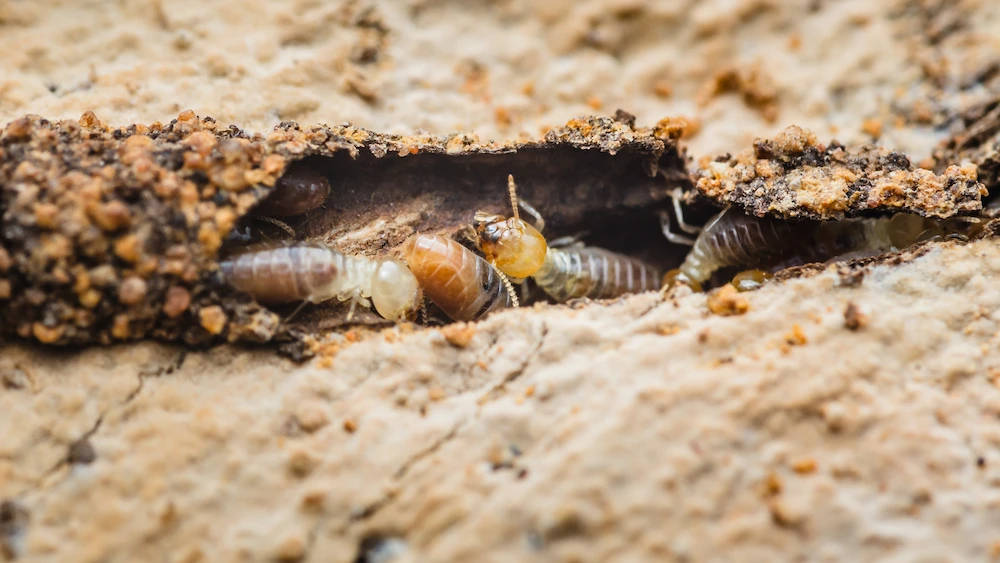
One of the most important distinctions in termites vs carpenter ants is how they interact with wood. Carpenter ants do not eat wood. Instead, they tunnel through it to create nesting galleries. Their activity leaves behind smooth, hollowed out channels inside wood structures.
Termites actually consume wood as a food source. Because of this, termite damage often appears rough, layered, or hollow from the inside out. Carpenter ants vs termites damage can sometimes look similar from the surface, but closer inspection usually reveals these differences.
Signs of carpenter ant damage may include piles of sawdust-like material called frass near nesting areas. Termites, however, often leave behind mud tubes and weakened wood that may sound hollow when tapped.
Common Signs to Watch For
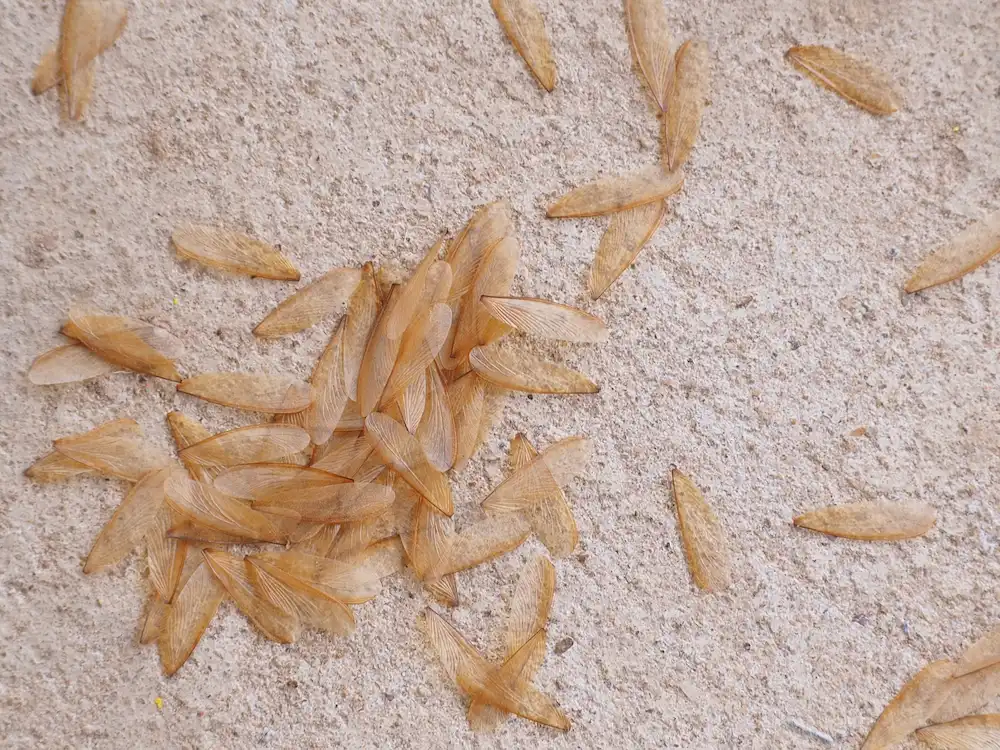
Recognizing the signs of termites vs carpenter ants early can help prevent more serious structural issues. Both pests may remain hidden for long periods, which is why homeowners often notice damage before seeing the insects themselves.
Common warning signs include:
- Hollow sounding or damaged wood
- Swarms of winged insects indoors
- Small piles of discarded wings near windows or doors
- Mud tubes along foundations or walls
- Frass or wood shavings near wooden structures
These signs can indicate an active infestation and should not be ignored, especially if the activity continues over time.
Where These Pests Usually Nest
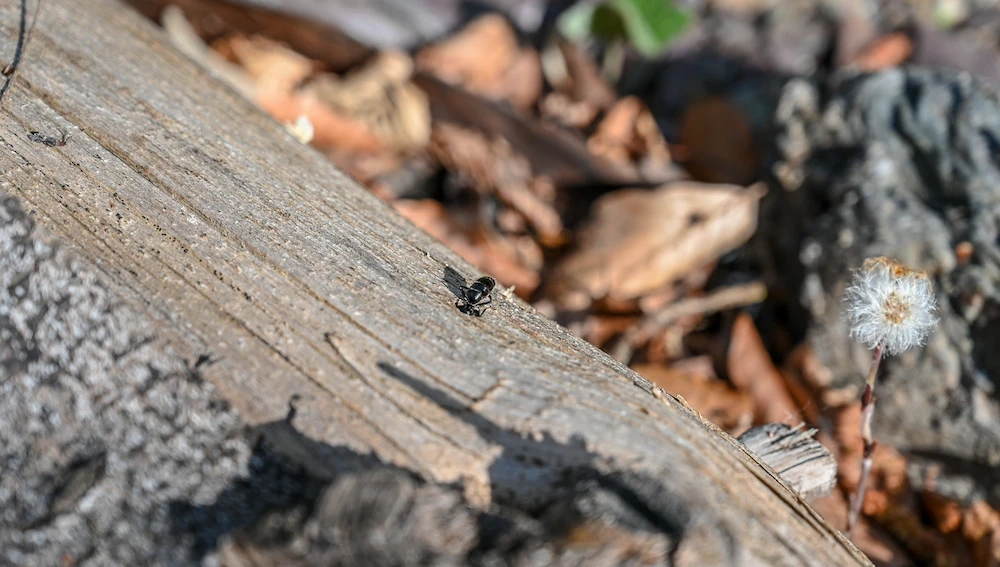
Termites and carpenter ants prefer different nesting environments. Subterranean termites typically live underground and build mud tubes to travel between soil and wood. Moisture plays a major role in attracting termites, so areas with leaks or damp wood are especially vulnerable.
Carpenter ants are more likely to nest in damp or decaying wood but may also expand into dry wood over time. They commonly establish colonies inside wall voids, tree stumps, decks, or damaged structural wood.
Understanding where these insects prefer to live can help homeowners narrow down the source of activity and determine the severity of the problem.
Why Proper Identification Matters
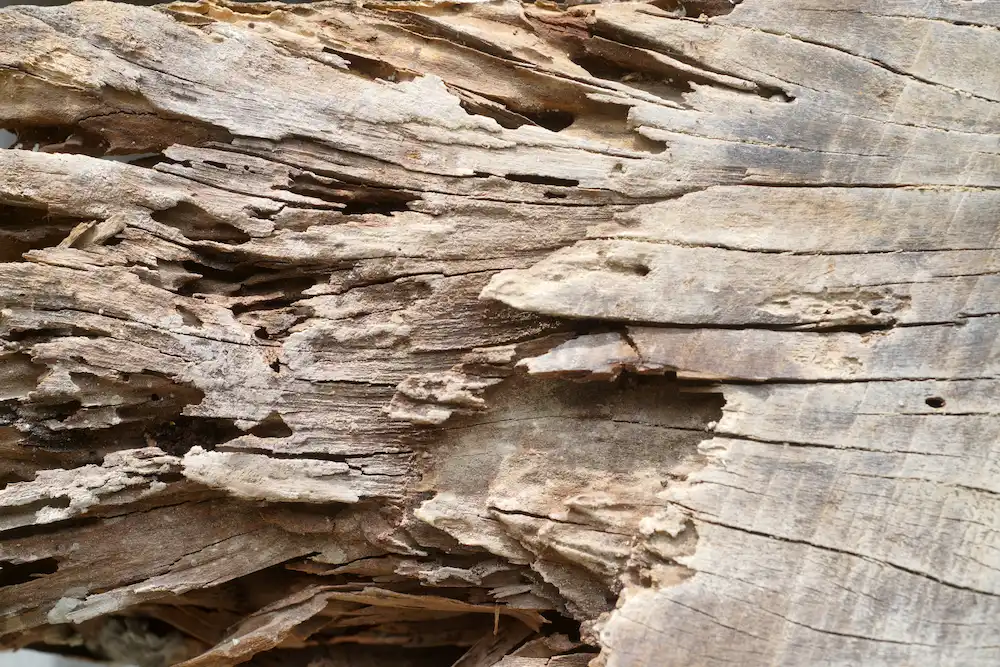
Misidentifying wood damaging insects can lead to ineffective treatment. Methods that work for carpenter ants may not address termites, and vice versa. Since termites consume wood continuously, delaying treatment can result in significant structural damage over time.
Accurate identification also helps determine the extent of the infestation. A professional inspection can identify whether the problem involves termites, carpenter ants, or another pest entirely. This allows for targeted treatment plans that address the specific issue affecting the property.
Preventing Wood Damaging Pests Around Your Home
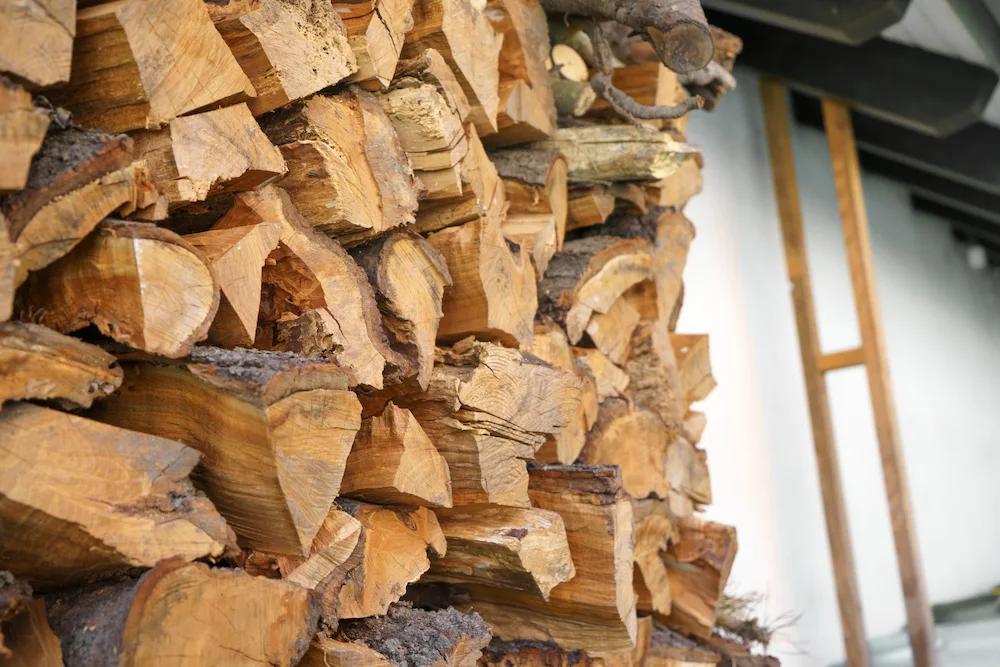
Reducing moisture and maintaining wood structures are important steps in prevention. Since both termites and carpenter ants are attracted to damp conditions, addressing water issues can help make your home less inviting.
Helpful prevention strategies include:
- Repairing leaks and reducing excess moisture around the home
- Keeping firewood and wood debris away from foundations
- Sealing cracks and gaps where insects may enter
- Inspecting wooden structures regularly for signs of damage
Routine maintenance and early inspections can help reduce the chances of developing a larger infestation.
Knowing the Difference Can Protect Your Home
Understanding termites vs carpenter ants is essential for protecting your property from costly damage. Although these pests may seem similar at first, their appearance, behavior, and impact on wood structures are very different.
Learning how to identify the warning signs early allows homeowners to respond quickly and seek professional help when needed. The sooner a termite or carpenter ant infestation is identified, the easier it is to limit damage and protect the home long term. Contact us for a free quote on our proactive services today!
Citations
Lupo, L.J. & Gaylord, E.B. (2025, October 2). Termites vs. ants: How to tell the difference. The Spruce. Available at https://www.thespruce.com/difference-between-ants-and-termites-2656329 (Accessed on May 15, 2026).

