
Easy Ways to Make Your Home Less Spider-Friendly
Easy Ways to Make Your Home Less Spider-Friendly
Summary: Spiders move into homes that offer clutter, undisturbed storage, and plenty of insects to eat. This guide covers easy habits, from swapping cardboard for sealed bins to getting stored items off the ground, that make your home less spider-friendly.
Most spiders that end up in a house are not looking for you. They want a quiet corner with a steady supply of insects, somewhere nobody will knock their web down for a few weeks. In plenty of homes around Glen Ellyn and Wheaton, fall is when those spots start filling up, as cooler nights push spiders and the bugs they eat closer to the foundation.
Spiders are picky about real estate, which works in your favor. A few changes to how you store things, both indoors and out, can make your home less spider-friendly without a big project, and the sections below walk through the habits that make the most difference, starting with the clutter on your floors and working out to the yard.
Thin Out the Piles First

Spiders do best in places that stay undisturbed. A stack of boxes in the basement, a pile of shoes by the back door, or a heap of laundry in the spare room all create shaded gaps where a web can sit untouched and hunting spiders can tuck in during the day. The less stuff sitting on floors and in corners, the fewer of those pockets exist.
That does not mean the house has to look like a model home. Start with the rooms people use the least, since that is where clutter builds up and where spiders get left alone the longest. Spare bedrooms, the back corner of the basement, under-stair storage, and the guest closet are usually the best places to begin. Even clearing a couple of feet of floor along the walls helps, because many spiders travel and build along baseboards.
Swap Cardboard for Sealed Plastic Bins
Cardboard boxes are about the worst storage choice for a home that already sees spiders. The folds and flaps create endless crevices, and in a damp basement the cardboard soaks up moisture and can attract silverfish, which are exactly the kind of prey spiders follow. Moving seasonal decorations, old clothes, and paperwork into plastic bins with snap-on lids takes away the shelter and the food in one move.
When you do open older boxes that have sat for a year or more, wear gloves and lift items out instead of reaching blindly inside. Most spiders in Chicagoland homes are harmless, but black widows do live in Illinois, and they favor exactly this kind of dark, forgotten storage.
Get Things Up Off the Ground, Inside and Out

If you only change one habit, make it this one. Anything sitting directly on a floor or on the ground creates a dark, sheltered underside, and that is prime territory for wolf spiders, cellar spiders, and the insects they feed on. Lifting items even a few inches lets in light and air and makes it easy to sweep or vacuum underneath.
In basements, metal or plastic shelving units are worth the small cost. Keep them a few inches off the walls so you can see behind them, and resist the urge to slide extra boxes onto the floor under the bottom shelf. Rugs and mats that sit in the same spot for months, especially near exterior doors, deserve a shake-out every so often too.
The Garage and the Yard
Garages are where indoor and outdoor clutter meet, and they are often the first stop for spiders that slip in under a worn door seal. Bikes, sports bags, lawn chairs, and gardening gear tend to lean against the walls or sit on the slab all season. Hang bikes and tools on wall hooks, keep small items in lidded bins on shelves, and leave a clear strip along the base of each wall so you can actually sweep it.
Outside, the same rule applies to anything that stays in one place for weeks. Flowerpots, stacked pavers, tarps, kids’ outdoor toys, and patio cushions left out after the season all create sheltered undersides right next to the house. Firewood belongs on a raised rack away from the siding rather than in a pile on the ground.
Black widows in particular like sheds, garages, and yard items that rarely get moved, so wear gloves when you finally pick up that toy bin or stack of pots that has been sitting since July. If you keep finding webs in those spots, spider control in Wheaton can cover garages, sheds, and the exterior around your foundation, not just the rooms where you happen to see spiders.
Take Away What Spiders Eat
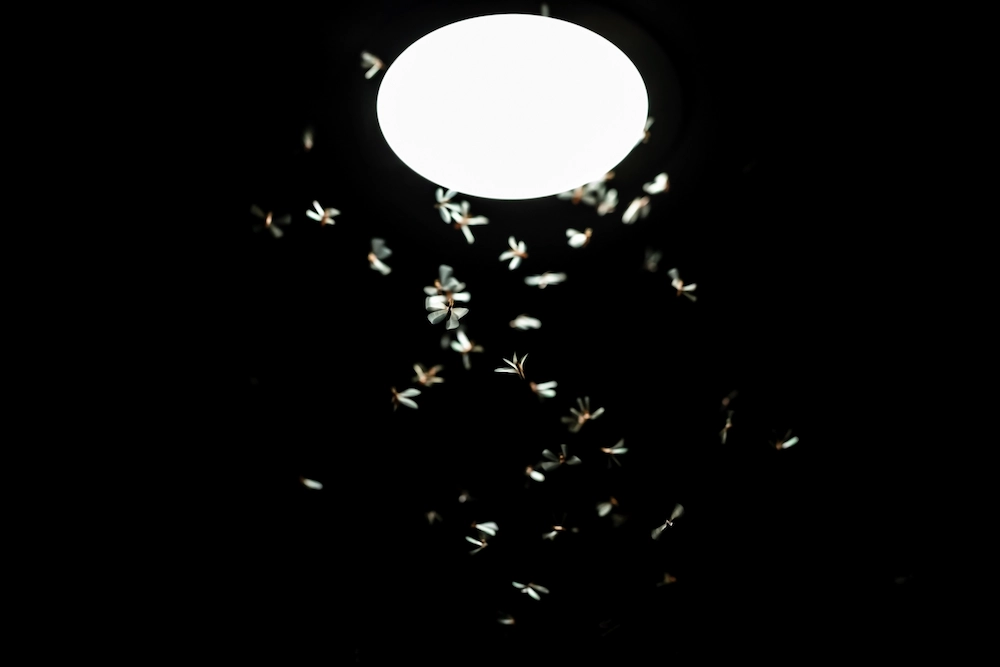
Spiders go where the food is. A house with moths circling the porch light, gnats in a damp basement, or crickets along the foundation is going to draw spiders no matter how tidy the closets are. Cutting down on those insects is one of the more reliable ways to keep spider numbers down over time.
Outdoor lighting is an easy place to start. Standard white bulbs pull in night-flying insects, and web-building spiders set up right next to fixtures to catch them. Yellow bug lights or warmer LED bulbs tend to draw fewer insects, and motion-sensor fixtures cut down the hours a light is on in the first place.
Gaps matter too, since they let in spiders and their prey alike. Worn door sweeps, torn screens, and openings around pipes and cables under sinks are common entry routes, and a tube of caulk handles most of them. Wolf spiders tend to wander in at ground level during the fall, so the bottom edges of exterior and garage doors deserve a close look.
Moisture is the other big draw. Basements in many older Chicago-area homes run damp after a rainy stretch, and that dampness supports the small insects spiders live on. A dehumidifier, a fix for the slow drip under the utility sink, and gutters that carry water away from the foundation all help. A short routine once a month keeps things from creeping back:
- Vacuum ceiling corners, window frames, and behind furniture, including any webs and small, round egg sacs.
- Dust light fixtures and window sills where new webs tend to start.
- Sweep along garage walls and under shelving units.
- Check door sweeps and window screens for gaps.
- Pull mulch and plants back a few inches from the foundation.
Egg sacs are worth the extra minute, since a single sac from a common house spider can hold a couple hundred eggs. Empty the vacuum outside when you finish so nothing crawls back out.
Fewer Hiding Spots, Fewer Eight-Legged Roommates
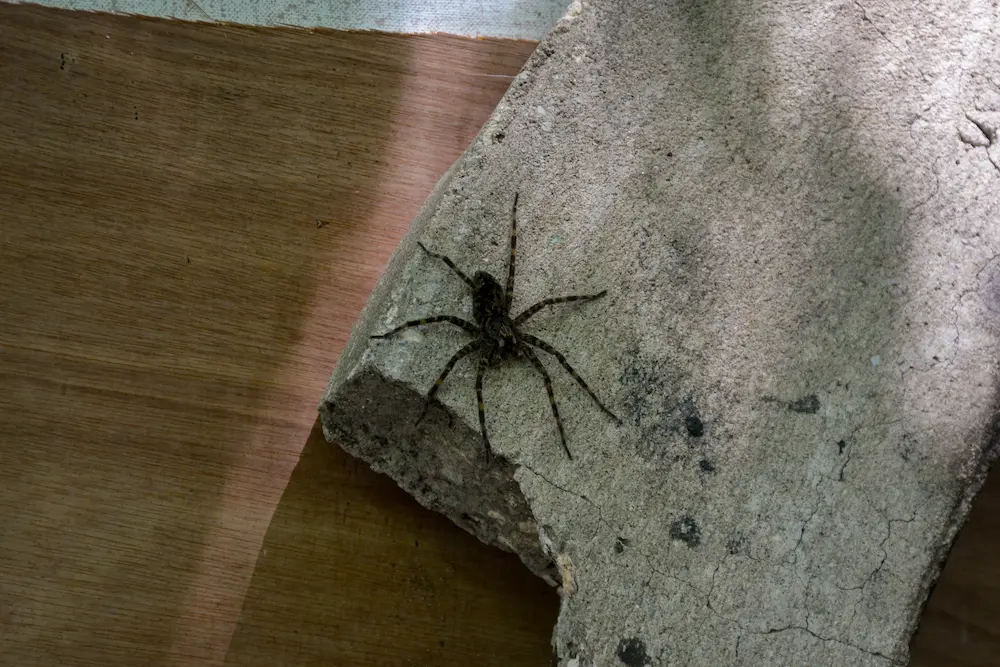
Spiders settle where they find shelter and food, so the goal is to take both away. Thin out clutter, get stored items up off floors and ground, trade cardboard for sealed bins, and cut back on the insects that bring spiders in. None of it takes a weekend overhaul, and each step can make your home less spider-friendly on its own.
If the webs keep coming back no matter how much you clean, it may be time for a closer look. Homeowners can reach out to the Glen Ellyn spider control technicians at Pointe to track down where spiders are getting in and what is keeping them fed, so the work you put into decluttering actually lasts. And if you live in the greater West Chicago area, contact us for a free quote on our efficient spider control services!
Citations
How to keep spiders out of your home. (n.d.). ScottsMiracle-Gro. Retrieved October 8, 2026, from https://scottsmiraclegro.com/en-us/learn/home-patio/how-to-keep-spiders-out-of-your-home.html
Request a Free Quote Today
(We do not share your data with anybody, and only use it for its intended purpose)
