
Where Do Spiders Hide in My Home?
Where Do Spiders Hide in My Home?
Summary: Spiders gravitate toward the darkest, quietest corners of a home, from basements and crawl spaces to closets and garages. This guide breaks down where spiders hide most often and why fall brings more of them indoors.
Spiders are some of the most private pests a home can have. Unlike ants or flies, they rarely announce themselves by showing up in the middle of a kitchen counter. Instead, they tuck themselves into corners and gaps where they can wait, undisturbed, for prey to wander by, whether that home sits in Naperville, West Chicago, or right in the heart of Chicago itself.
Knowing where spiders hide in a home makes it much easier to spot a growing population early, rather than being surprised by it later in the fall when many species become more active indoors.
Basements, Crawl Spaces, and Attics
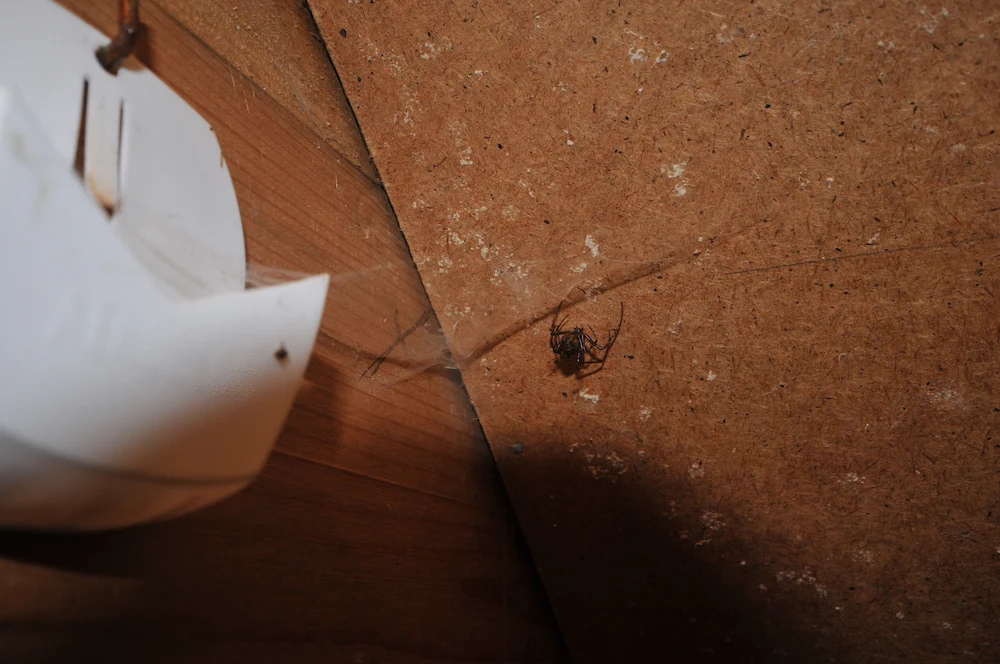
Dark, undisturbed, and often slightly damp, basements check every box a spider looks for. Storage boxes, exposed floor joists, and the gaps around foundation walls all provide the kind of quiet cover spiders prefer over open, well lit rooms. Crawl spaces are even more attractive, since they combine darkness with the moisture that draws in the small insects spiders feed on.
Unfinished basements in particular tend to have more spider activity than finished ones, simply because there is more exposed structure, more stored clutter, and less regular cleaning happening in that part of the house. A finished basement with drywall and flooring removes a lot of the natural gaps spiders would otherwise use, though closets and storage rooms within a finished basement often make up for it.
Sump pump pits and utility rooms deserve a specific mention as well, since both combine the darkness and moisture spiders look for with equipment that rarely gets moved or inspected. Checking around a sump pit periodically, not just when it is actively running, can catch a web or egg sac before it has been sitting undisturbed for months at a time.
Attics fall into a similar category. They combine low foot traffic with a steady supply of flying insects that get in through vents, giving spiders both shelter and a food source in one place. A closet that gets opened once a week is close to ideal too, since boxes stacked against a wall and the corners near the floor go undisturbed for long stretches, which is exactly what allows a web to sit untouched.
Behind Furniture, in Garages, and Around the Yard

Spiders that make their way into living areas rarely stay out in the open. The undersides of couches, the backs of bookshelves, and the space behind dressers offer the stillness spiders need to build a web and wait. Moving furniture occasionally, even just to vacuum behind it, disrupts these spots before a web becomes established.
Garages combine several conditions pests look for at once: multiple entry points, stacks of rarely disturbed boxes, and often direct access to the outdoors through a gap under the main door. Spiders, rodents, and occasional ants all treat garages as a natural extension of the yard, which is one reason so many spider sightings in West Chicago and Naperville homes start in the garage before spreading further inside.
Outdoor woodpiles and stacked landscaping materials serve as a staging area before spiders ever reach the garage or the house itself. A woodpile kept a short distance from the exterior wall, rather than stacked directly against it, gives spiders less of a direct path toward the structure while still keeping firewood accessible.
Where to Look During a Quick Home Check
- Corners near the ceiling in basements and garages, where webs are easiest to spot.
- Behind and underneath furniture that rarely gets moved.
- Inside rarely opened boxes and storage bins.
- Around window frames and door corners, especially near outdoor lighting.
- Along baseboards in low traffic rooms.
Running through this list once in early fall and again a few weeks later gives a better sense of whether activity is holding steady, growing, or already fading as the season progresses, which helps decide how urgently it is worth addressing.
Why Fall Brings More Spiders Indoors
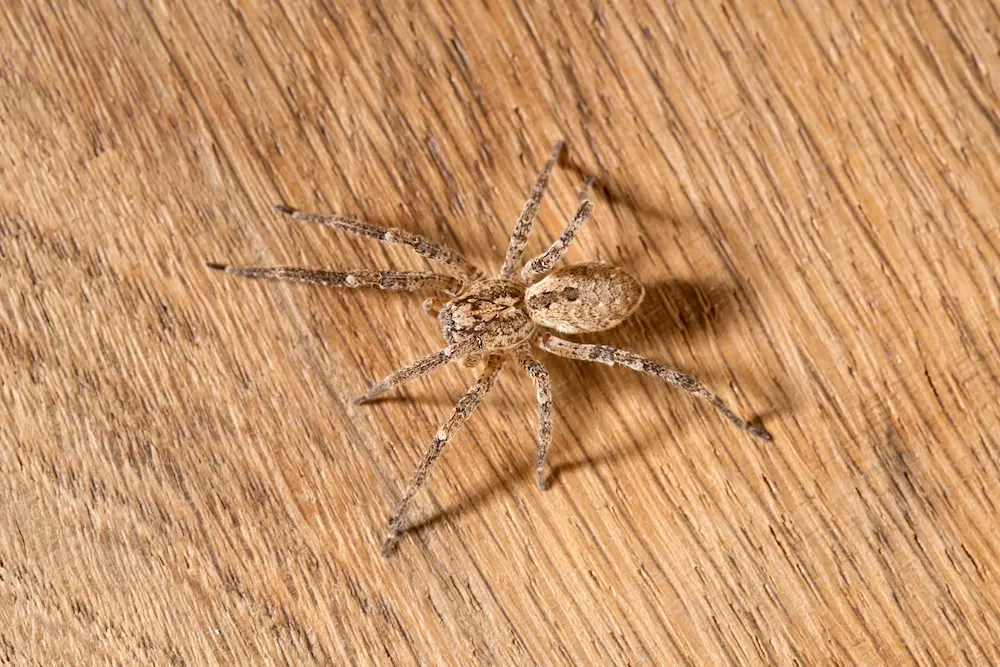
Many spider species reach maturity in late summer and become noticeably more active in early fall as they search for mates. At the same time, cooler outdoor temperatures push both spiders and the insects they eat toward the shelter a house provides, which is why homeowners in Illinois often notice more spider activity this time of year than during the summer months.
This spike is temporary and tends to settle back toward a more normal level once mating season winds down further into fall. That said, any spiders that made it indoors during this active period do not necessarily leave on their own once the season passes, so an indoor population noticed in September can easily still be there in November if nothing changes.
Reducing outdoor lighting near entry points, since it attracts the flying insects spiders feed on, and sealing gaps around windows and doors both help limit how many spiders make it inside in the first place. Both web building species and faster hunting spiders respond to the same conditions, so a home that removes easy prey and easy shelter tends to see less activity from either type.
Homes near a wooded lot, a retention pond, or a stretch of undeveloped land tend to see the biggest fall increase, simply because there is more natural insect and spider habitat feeding directly into the yard. Properties in more built up sections of Naperville or West Chicago still see the same seasonal pattern, just usually at a smaller scale.
When a Few Spiders Point to a Bigger Issue
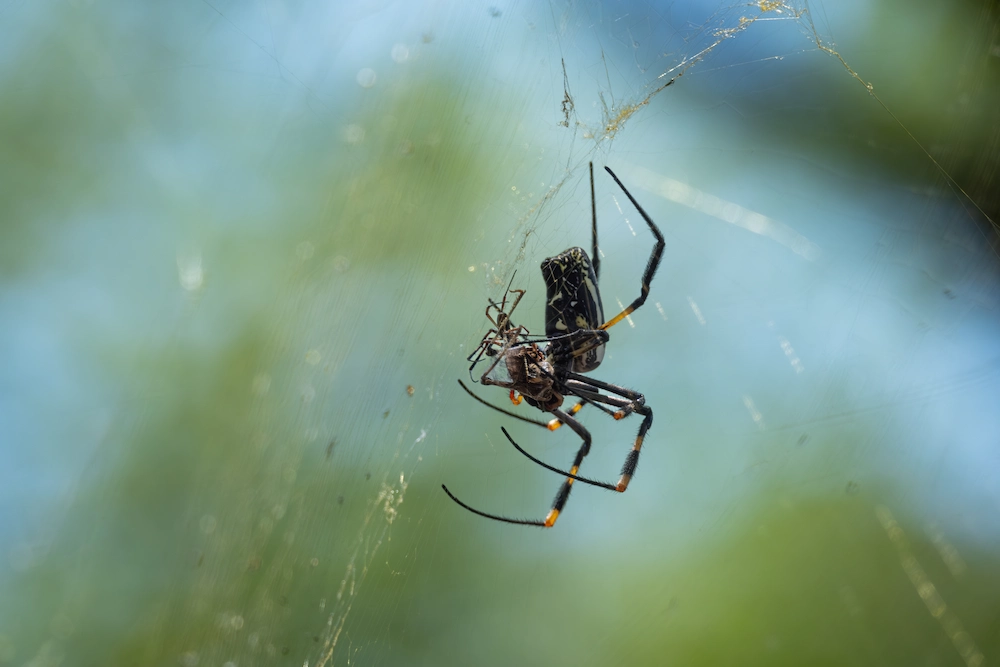
An occasional spider is normal in almost any home. A consistent, recurring population, especially concentrated in one area like a basement or crawl space, usually means there is an insect food source nearby that is also worth addressing rather than just removing the spiders themselves.
Trying to solve a recurring spider problem by only removing the spiders tends to be a short term fix at best, since new spiders will move in to take advantage of the same food source and shelter conditions once the earlier ones are gone. Addressing the underlying insect activity is usually what actually resolves the pattern rather than just resetting it every few weeks.
If spider activity in your home has become more than an occasional sighting, Pointe Pest Control’s exterminator services can identify what is drawing them in. For homes in and around Chicago specifically, our Chicago pest control team handles both the spiders and the underlying activity feeding them.
Most spider concerns turn out to be more manageable than homeowners initially expect, especially once the actual food source and entry points are identified rather than guessed at. A single focused visit is often enough to bring a noticeably active population back down to the occasional sighting most households consider normal. For a free quote on our targeted spider services, contact us today!
Citations
The top 9 places spiders hide. (n.d.). United Pest Solutions. Retrieved September 11, 2026, from https://unitedpestsolutions.com/the-top-9-places-spiders-hide/
Request a Free Quote Today
(We do not share your data with anybody, and only use it for its intended purpose)
