
Where Do These 10 Common Pests Sleep?
Where Do These 10 Common Pests Sleep?
Summary: Pests are often moving, so where and how do they sleep? This blog explores the resting habits of 10 common pests and discovers how much or how little rest they need. Pointe Pest Control provides targeted pest solutions.
Rest is a necessary part of life, regardless of how fast-paced everything is nowadays. Mammals have clear resting patterns, based on our knowledge that humans, dogs, and cats need sleep to function. But what about the smaller critters that fly (or crawl) under the radar?
Insects and spiders are cold-blooded, so their energy levels are very much dependent on their environment. That’s why we see more of them in the warmer months. Their sleeping habits are a little less clear because these pests always have to be on the defensive against predators.
Let’s learn more about the cozy resting habits of 10 familiar pests to see how they rest up for a long day (or night) of annoying us.
Good Night, Sleep Tight
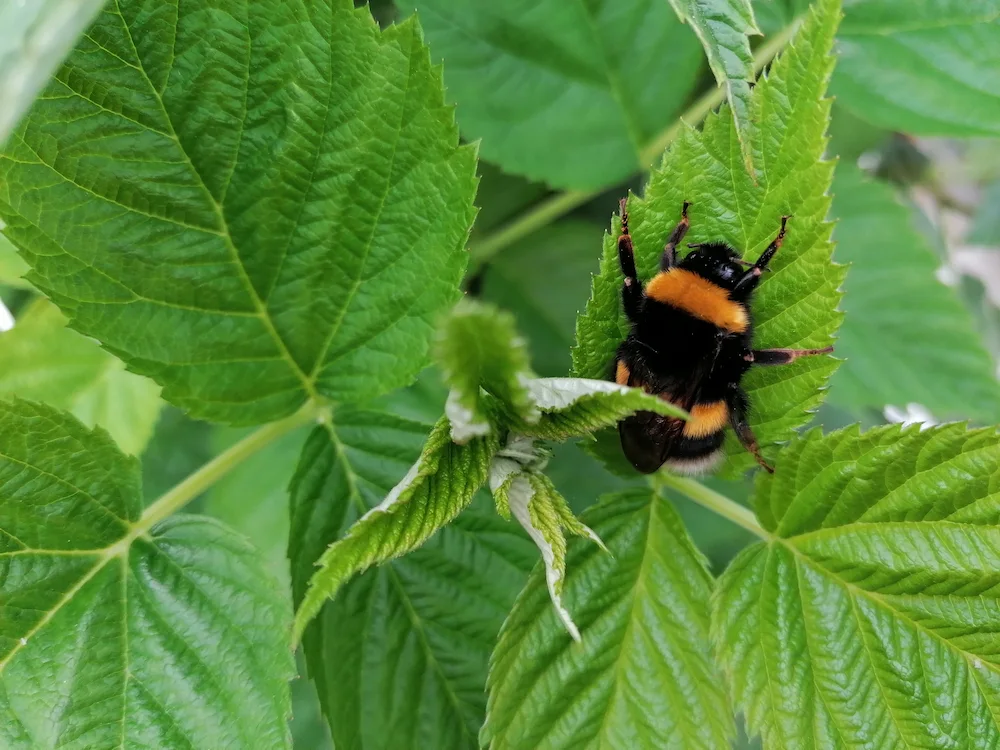
We want to preface this by saying that insects generally don’t sleep like we do. They don’t seem to achieve REM sleep, the sleep stage where we dream. We can only imagine what roaches would dream about…
Instead of deep sleep, insects and spiders go into diapause or torpor. Diapause is an intentional resting state that pests enter by lowering their body temperature and slowing their metabolism. Torpor is a brief resting state where the pests temporarily rest and don’t receive stimuli.
In other words, tiny pests don’t sleep in the traditional sense. They do have their own style of resting though, so let’s take a closer look at that!
Ants
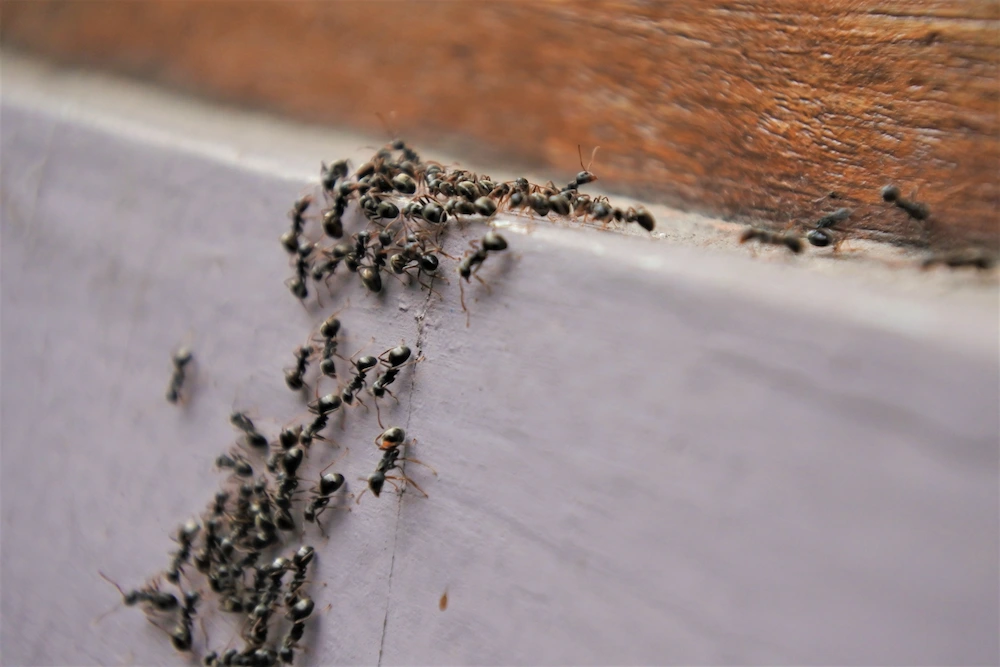
Ants need to rest to operate at their full capacity, but that doesn’t mean they sleep for 8 hours a day. Instead, they take “power naps” multiple times a day, averaging about 1 minute per nap. They rest in shifts so they always have a set of ants guarding the nest against enemies. Queen ants are the lucky ducks that rest in 6-minute intervals to achieve 9 hours of rest a day. Of course, they’re heavily guarded by their assist-ants (get it?) the whole time.
Bed Bugs
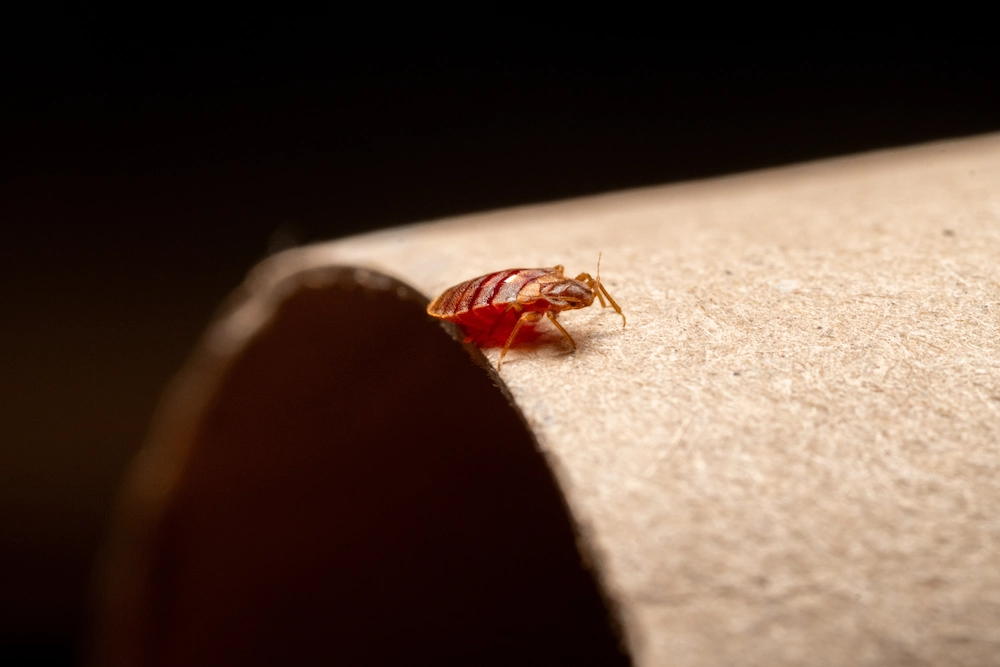
Bed bugs are an interesting case. They can technically feed any time of day since they just need their host to be sleeping. If their host happens to work the night shift and sleep during the day, bed bugs will do their best to stay hidden during their daytime feedings. These pests enjoy periods of rest in between meals. When they don’t have food, bed bugs conserve energy by going into diapause for a few months or more.
Bumblebees
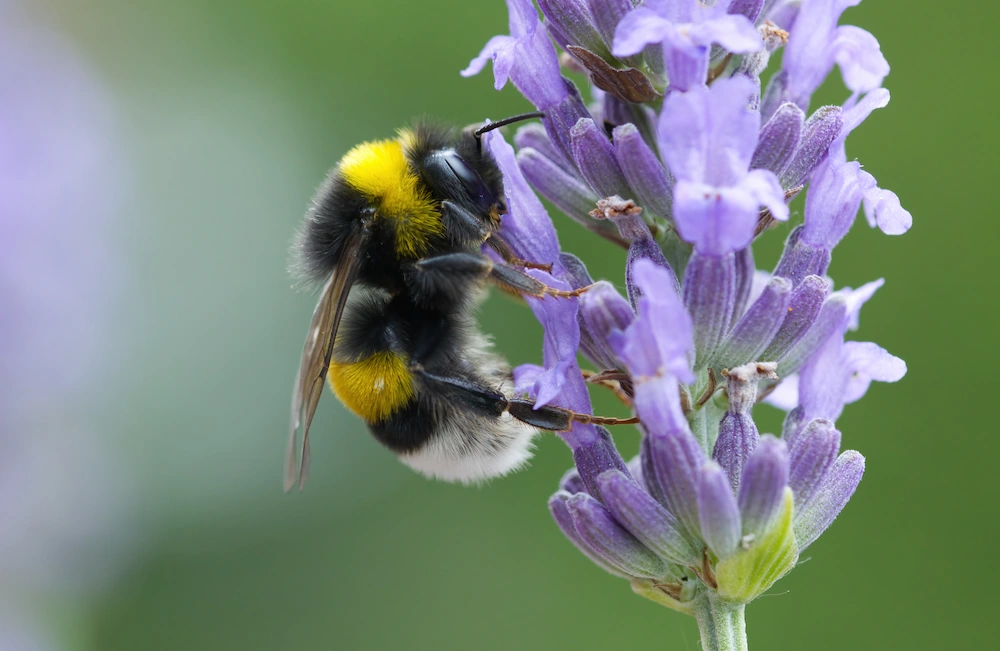
Bumblebees have the cutest sleeping habits (and it’s not up for debate). They often fall asleep in flowers like they’re posing for a photoshoot. There are two reasons why bumblebees rest in flowers and not in their nests. One is male drones aren’t allowed back in the nest after they leave, so they have to rest inside flowers. The second is if foragers or reproductives get too cold, they nap in nearby flowers until they warm up enough to take flight again.
Fleas
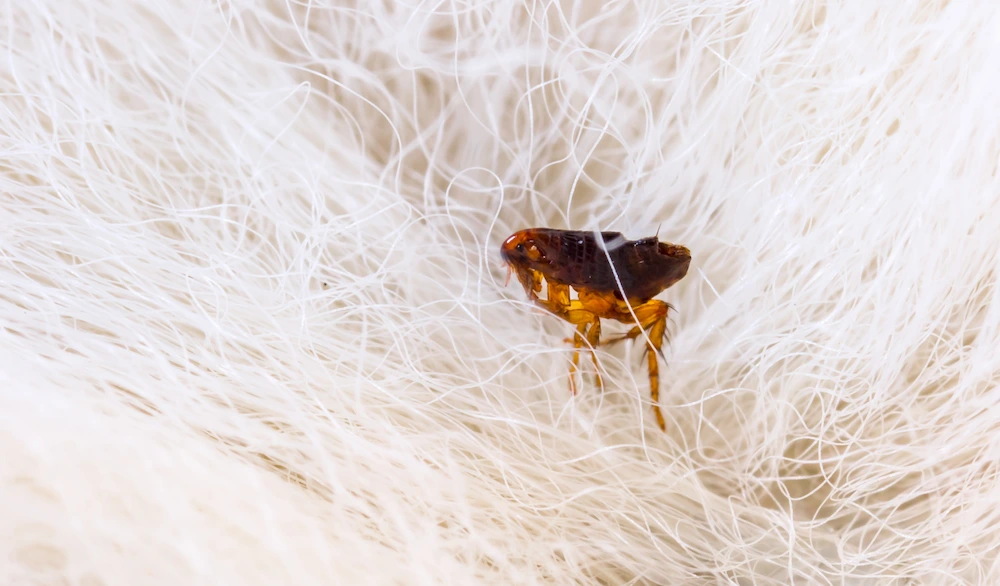
While fleas don’t sleep in the traditional sense, they do have rest cycles. They’re most active around dusk when the sun sets, then lay low through the night and sunrise. While they rest, fleas continue producing droppings and eggs (gross!). Like bed bugs, fleas conserve their energy when they don’t have access to any hosts. It’s not so much a hibernation as it is a dormant state that they can exit at any time. This dormancy can last for several months!
Roaches
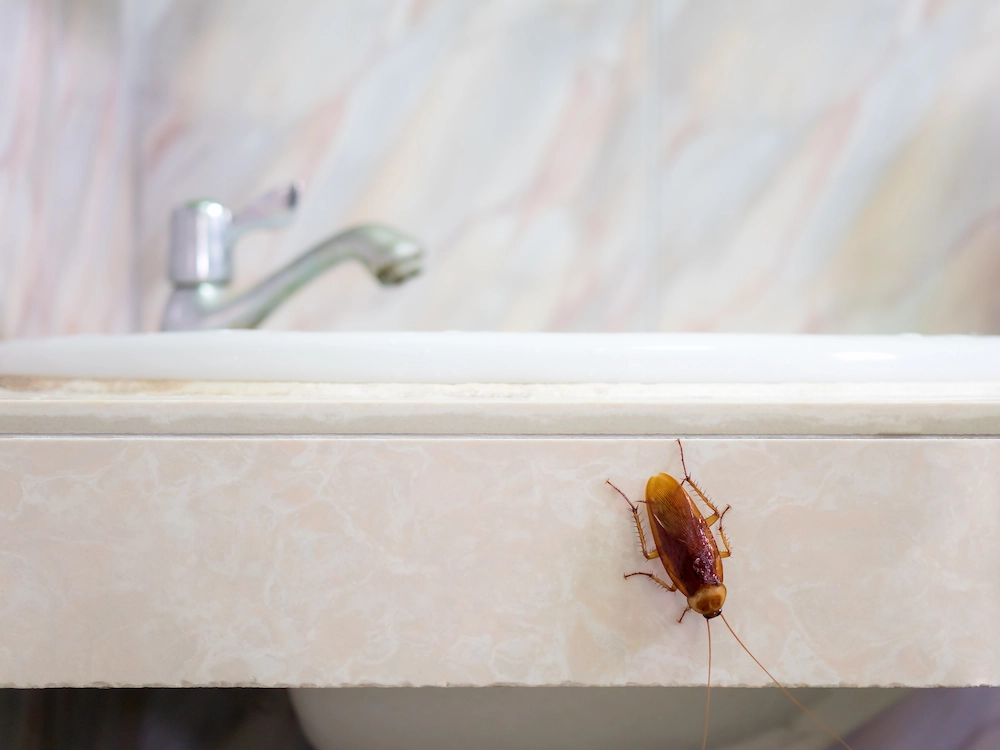
As disgusting as roaches are, we’re a little jealous of their resting habits. They average about 18 hours a day of rest! Roaches are active for the first few nighttime hours, which gives them plenty of time for mating and foraging. Afterward, these nocturnal pests stay hidden while they enter an inactive state. Roaches fold down their antennae to protect their cerci (sensory organs) on their bodies. Because of this, roaches are less defensive when they’re immobile.
Rodents
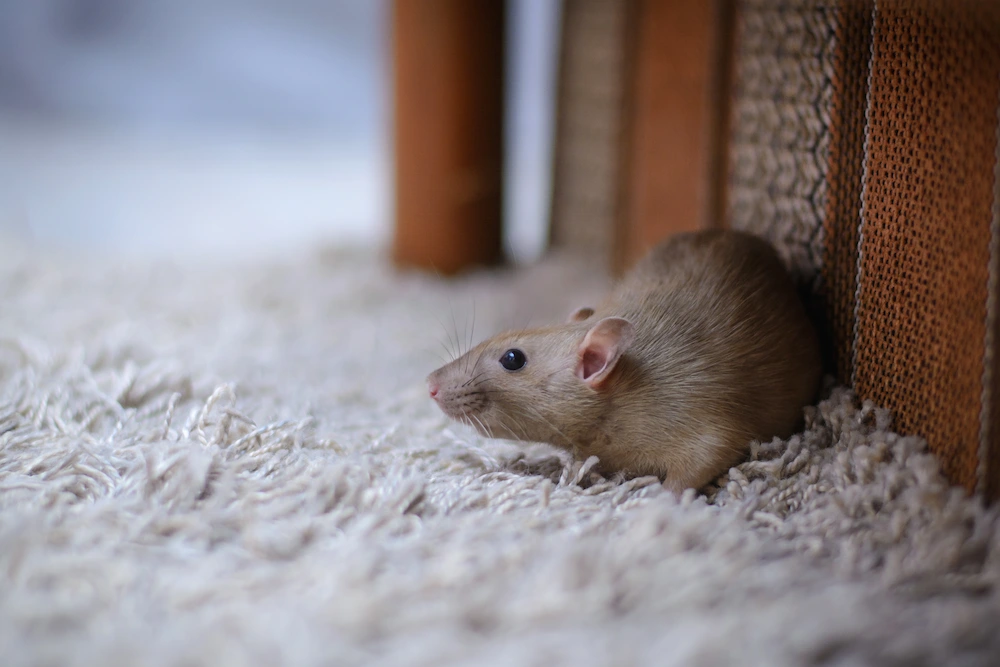
Rest assured, we know that rats and mice are mammals. Since they’re common pests, we still thought it would be helpful to look into their resting habits. And sleep they do! These rodents are nocturnal and therefore rest during the day. This helps them avoid lights and the keen eyes of their predators. Mice sleep about 12 hours a day, while rats sleep or rest for up to 18 hours a day. Since they want to stay hidden at all costs, rodents rest in their concealed nests.
Spiders
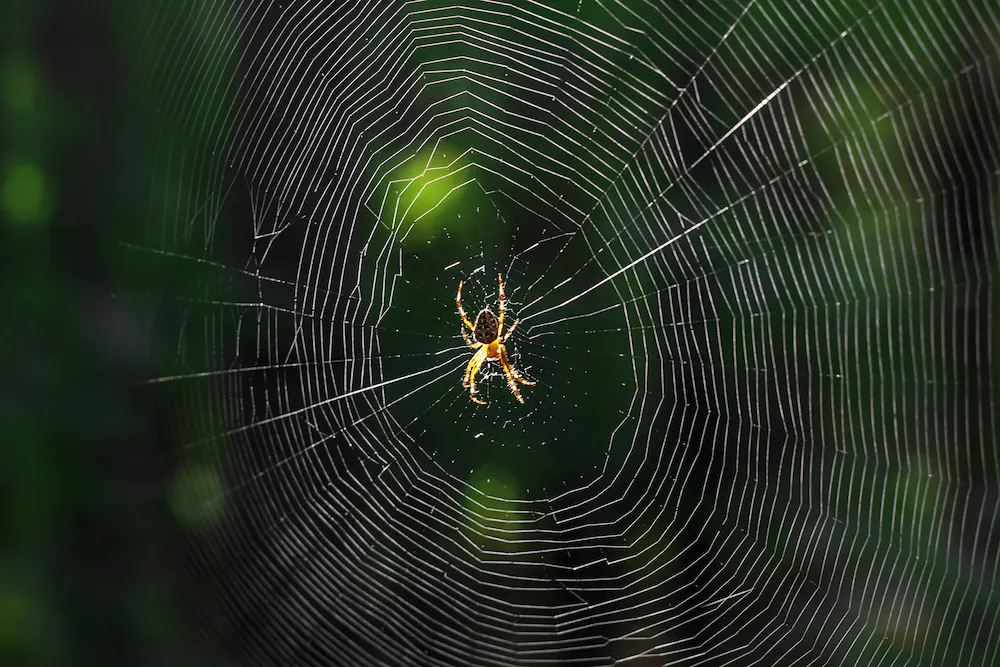
It’s pretty clear that spiders rest. How many times have you seen a spider hanging out (literally!) in its web when it’s not feeding? Spiders generally rest during the day, but hunting spiders are especially active at night since they need to find food without being hunted themselves! Jumping spiders have been studied to actually sleep, their eyes moving and legs twitching. These spiders are easier to study since their eyes have movable retinas.
Termites
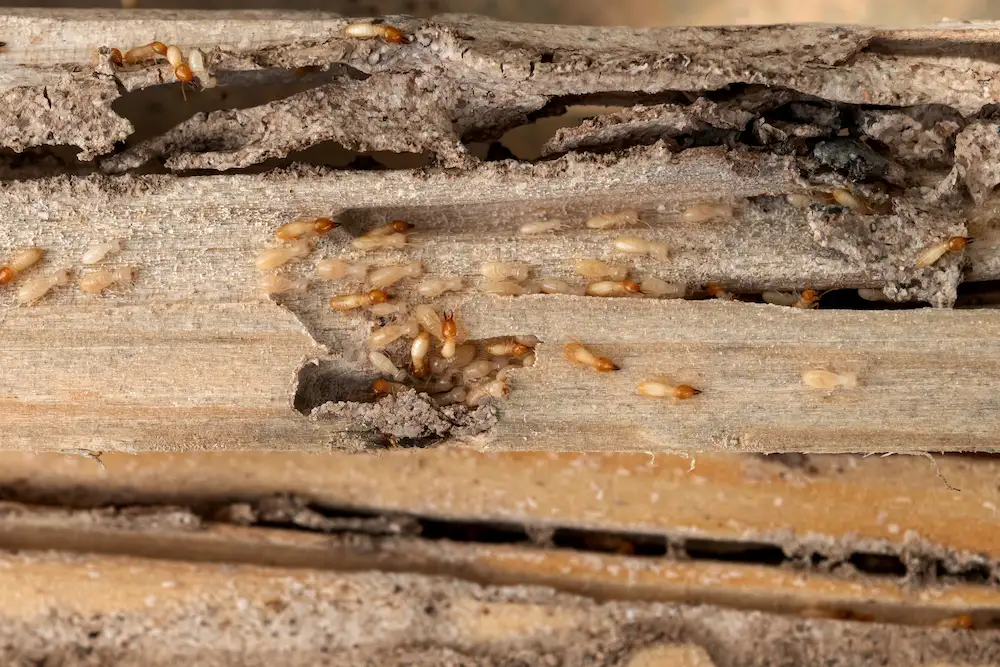
These are the clear outlier on the list for one simple reason: termites don’t sleep! Sure, they’ll slow down or go into diapause when they’re too cold to continue. But termites won’t rest when they’re busy expanding their nests inside a warm building or house. Since they live for 1 to 2 years — queens live for over 25 years — termites get a lot done. Their work ethic and lack of rest is exactly why termites cause billions of dollars in damages every year.
Ticks
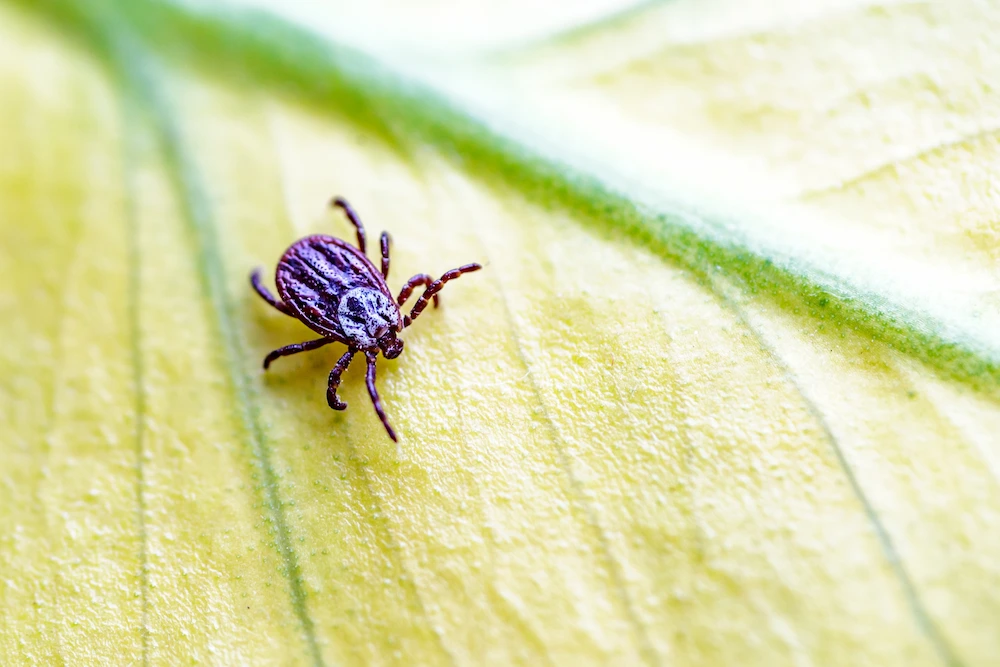
Following the trend, ticks don’t ever technically sleep. They go dormant to conserve energy when they don’t have a host or when it’s winter. Depending on the species, ticks can go anywhere from 1 day to 2 years without food. This affects how long each tick rests in between feedings. When they do feed, female ticks stay attached for a few days and then leave to lay hundreds of eggs. Male ticks hardly feed and don’t live as long, so they need less rest.
Wasps
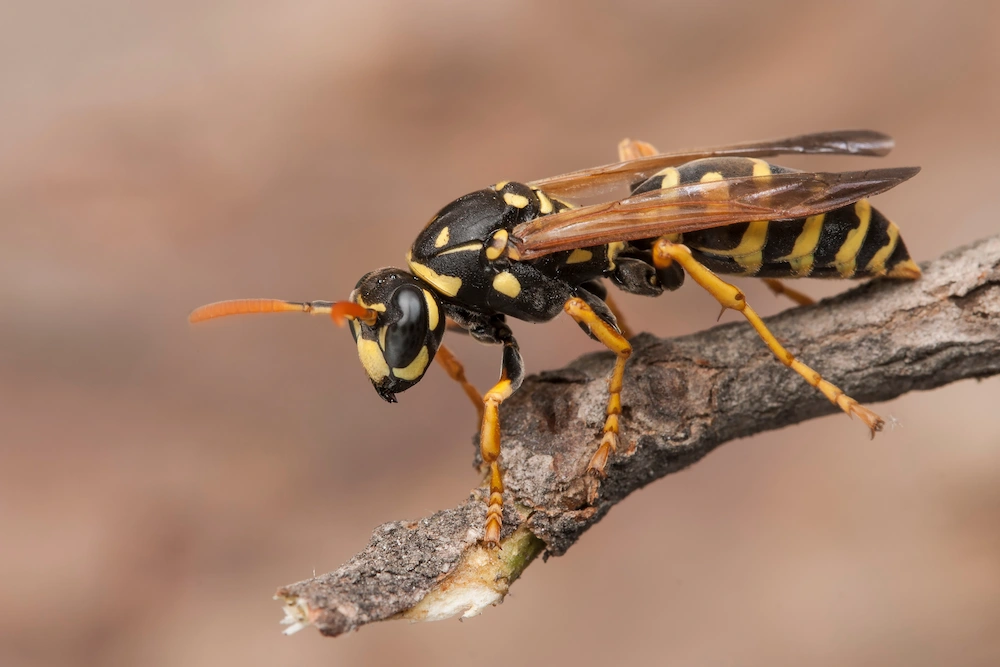
Wasps (and other stinging insects) are very active in the middle of the day, especially when it’s blazing hot. Since they’re energized by the heat, wasps comfortably rest inside their nests at night. Some wasps work the night shift by tending to the nest and colony, but most of them don’t move all night. Even when they rest, wasps have safety in numbers by grouping together inside their massive nests. Some people recommend treating wasp nests at night, but be warned: these pests do not wake up on the right side of the bed when they’re threatened.
Sleep Tight, Thanks to Pointe’s Efficient Solutions
All of this talk about hidden pests isn’t especially comforting when you’re trying to sleep (sorry!). You can sleep tight when Pointe Pest Control is on the scene! Our experienced technicians tackle pest problems through a tried-and-true combination of careful inspections, targeted treatments, and intentional exclusion work.
Pests are at their worst in the summer because they’re either energized by the heat (insects and spiders) or trying to hide from it indoors (rodents). We’re committed to protecting local homes and businesses from destructive pests, be it in summer or any other season. Contact us for a free quote on our efficient services today!
Citations
Do cockroaches sleep?. (n.d.). Pest Control Experts.com. Retrieved July 2, 2025, from https://www.pestcontrolexperts.com/pest-control/do-cockroaches-sleep/
Do fleas sleep?. (n.d.). FleaScience. Retrieved July 2, 2025, from https://fleascience.com/flea-encyclopedia/life-cycle-of-fleas/adult-fleas/do-fleas-sleep/
Harney, C. (2022, October 11). The sleeping habits of pests. Green Pest Services. Available at https://greenpestservices.net/the-sleeping-habits-of-pests/ (Accessed on July 2, 2025).
Perkins, D. (2020, October 23). Flower “beds” for bumble bees. First Light Wildlife Habitats. Available at https://www.firstlighthabitats.com/blog/flower-beds-for-bumble-bees (Accessed on July 2, 2025).
Wynn, G. (n.d.). Spiders need rest, too. But do they sleep?. Fisher Science Education. Available at https://www.fishersci.com/us/en/education-products/publications/headline-discoveries/2023/fall-winter-issue/spiders-need-rest-too-but-do-they-sleep.html (Accessed on July 2, 2025).
Request a Free Quote Today
(We do not share your data with anybody, and only use it for its intended purpose)
