
Boxelder Bugs and Stink Bugs: Fall’s Worst Invaders
Boxelder Bugs and Stink Bugs: Fall’s Worst Invaders
Summary: Boxelder bugs and stink bugs both invade Chicagoland homes in early fall while searching for a place to overwinter. This guide explains why the two pests show up together, how to identify each one, and how to seal the entry points they rely on.
As soon as the first cool nights hit Chicagoland, two pests start showing up on siding, window frames, and porch railings in numbers that catch homeowners off guard. Boxelder bugs and stink bugs do not bite, sting, or spread disease, but a wall covered in them is enough to make anyone in Naperville, West Chicago, or anywhere in between want answers fast.
Understanding boxelder bugs and stink bugs and why they invade in the fall makes it much easier to keep them from getting past your front door, and to know what to do if a few have already made it inside.
Why These Two Pests Show Up at the Same Time
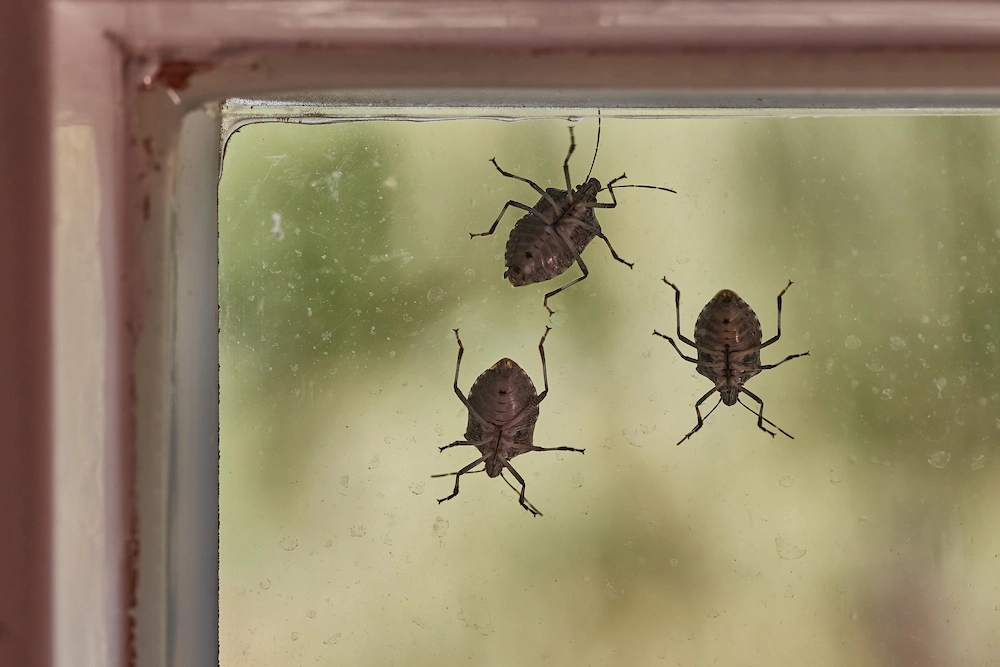
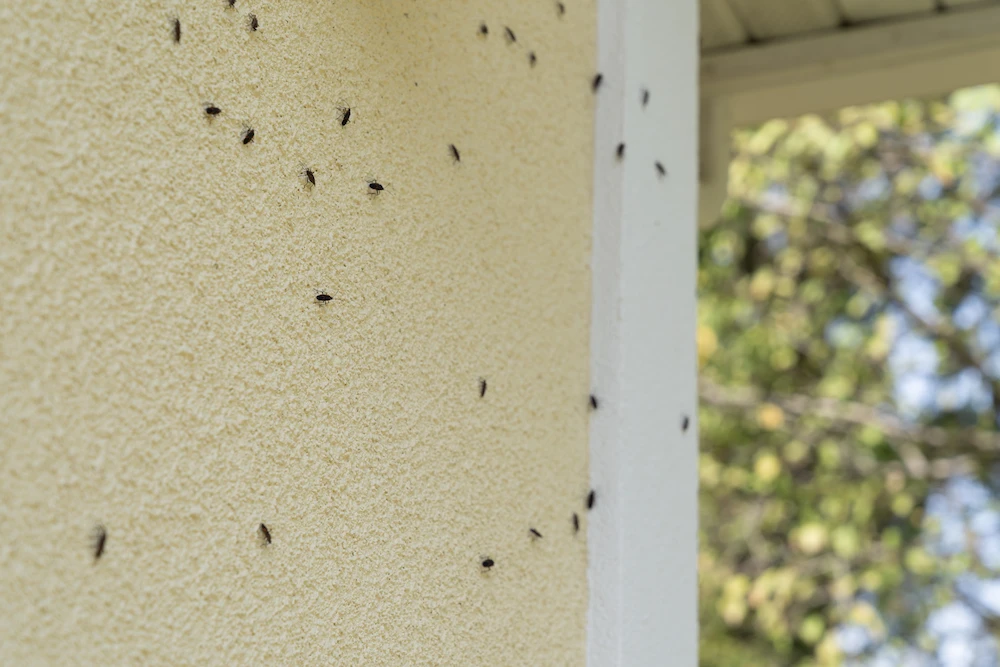
Boxelder bugs and stink bugs are unrelated species, but they respond to the same seasonal trigger. As daytime temperatures drop and the sun sits lower in the sky, both insects begin searching for overwintering sites. South and west facing walls that soak up afternoon sun become gathering points, which is why homeowners often find clusters on the same stretch of siding day after day.
Boxelder bugs feed on the seeds of boxelder, maple, and ash trees throughout the summer. Once those food sources dry up in the fall, the insects move toward the nearest structure. Stink bugs follow a similar pattern after spending the growing season in gardens and on crops around neighborhoods throughout DuPage and Cook County.
Telling Them Apart

Boxelder bug

Stink bug
Boxelder bugs are easy to identify by their black bodies and the orange or red lines along their wings. They are strong fliers and tend to arrive in large groups, often massing on sunny walls before working their way into cracks around siding, soffits, and window trim. They do not damage a structure, but they can stain fabric and leave a noticeable odor when crushed.
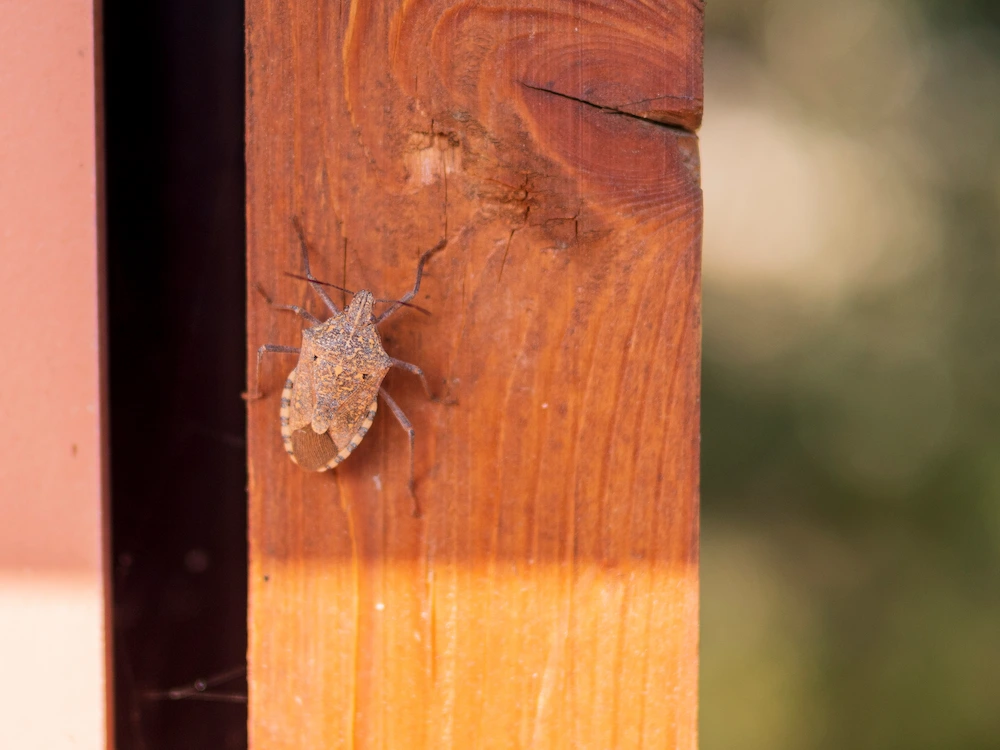
Stink bugs are shield shaped, mottled brown, and much slower moving, but they make up for it with persistence. They squeeze into gaps around attic vents, chimney flashing, and door thresholds, and they release their signature odor as a defense mechanism whenever they feel threatened, which is part of why an indoor cluster is such an unpleasant surprise.
Sealing the Entry Points They Rely On
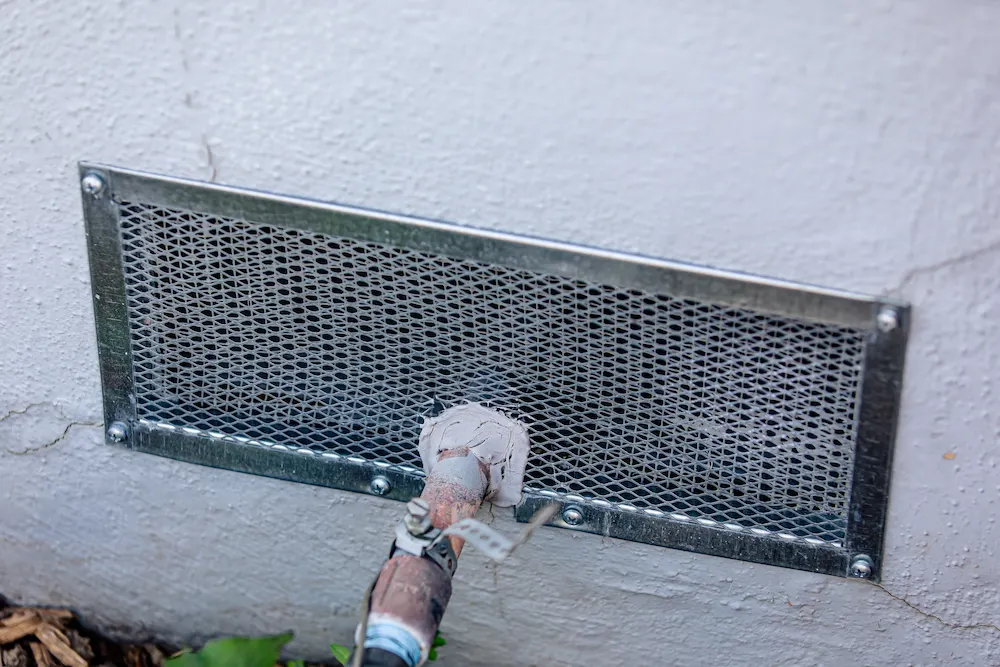
Both pests get inside the exact same way: through small gaps that already exist on the exterior of a home. A fall inspection focused on these areas can prevent most of the activity homeowners deal with once the weather turns.
- Caulk gaps around window and door frames, especially on south and west facing walls.
- Check where utility lines, cable, and pipes enter the house and seal any gaps with expanding foam.
- Repair or replace torn window screens and damaged weatherstripping.
- Inspect soffits and fascia boards for warping or small openings.
- Add fine mesh screening over attic and foundation vents.
A yard that offers less cover also matters. Boxelder trees on or near the property are the single biggest draw for boxelder bugs specifically, so removing seed producing female boxelder trees near the house, or at least keeping them well trimmed and away from siding, reduces the population that ends up looking for a way inside. Keeping mulch and leaf litter away from the foundation removes a resting spot both pests use before making their move toward the house.
What to Do When They Are Already Inside
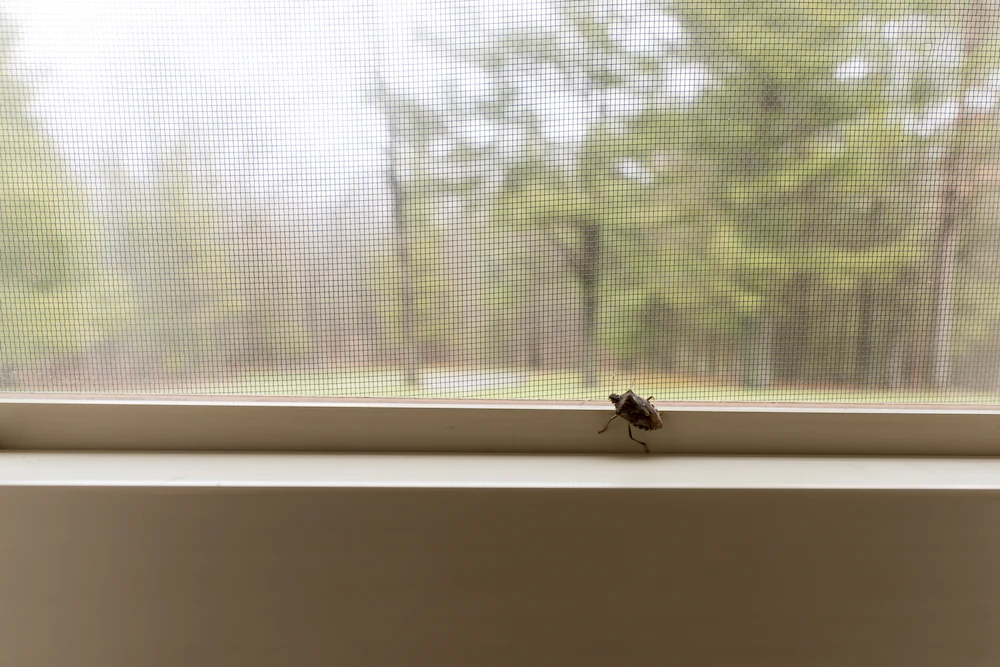
If boxelder bugs or stink bugs have already made it indoors, resist the urge to crush them. A vacuum with a disposable bag is a cleaner way to remove them without releasing the odor stink bugs are known for. Empty the vacuum outside right away so the insects do not simply crawl back out.
Pesticide sprays are rarely worth using indoors for either pest. Once they are inside walls or attic spaces, the more effective approach is identifying and closing the entry points they used to get there in the first place. That is usually easier for a professional to spot than a homeowner walking the perimeter once, since the same gap that let in one wave of stink bugs in October can quietly let in another in November if it is never sealed.
Why Early Fall Is the Best Time to Act
Once boxelder bugs and stink bugs establish themselves inside wall voids or attic spaces for the winter, homeowners often see a second wave of activity indoors on unusually warm winter days, when the insects wake up and wander toward light and warmth. Sealing entry points now, before the first hard frost, is far more effective than trying to manage an active indoor population later in the season.
This pattern shows up across West Chicago, Naperville, and the rest of the western suburbs almost every year, and it tends to hit hardest on homes near mature boxelder or maple trees. If your property backs up to a wooded lot or a row of older shade trees, it is worth checking those exterior walls first.
Homes with south or west facing brick or vinyl siding tend to see the heaviest clustering, simply because those surfaces hold afternoon heat longer than shaded north facing walls. If your house has a large expanse of unshaded siding facing those directions, treat it as the priority section during a fall inspection rather than splitting attention evenly around the whole exterior.
Get Ahead of It Before the Frost
Boxelder bugs and stink bugs are a nuisance, not a danger, but a house full of either one is not something most families want to deal with all winter. The fix is almost always the same: find where they are getting in, seal it, and clean up what is already inside without crushing it.
Waiting until the first snow to deal with an active cluster rarely works out well, since both pests will already be settled into wall voids or attic spaces by then, making the entry points far harder to identify without opening up the wall itself. A fall walkthrough is simply a better use of an afternoon than a winter spent vacuuming stink bugs off a windowsill every week.
If they are gathering on your home’s siding in West Chicago right now, Pointe Pest Control’s West Chicago pest control team can walk the exterior and treat the entry points before the colder weather sets in. For homes elsewhere in the area, our pest control services cover the same fall boxelder bug and stink bug problem from start to finish.
A single fall visit, timed before the first hard frost, is usually enough to address both pests at once, since the entry points and prevention steps overlap almost entirely between the two species. Contact us for a free quote on our efficient pest control services today!
Citations
Fiegl, S. (2026, January 13). Stink bugs vs boxelder bugs: Identification and control. Top Turf. Available at https://www.topturf.net/turf-talk/stink-bugs-vs-boxelder-bugs (Accessed on September 21, 2026).
Request a Free Quote Today
(We do not share your data with anybody, and only use it for its intended purpose)
