
Stink Bugs Ruin Plants: Here’s How to Stop Them
Stink Bugs Ruin Plants: Here’s How to Stop Them
Summary: Stink bugs use piercing mouthparts to feed on plants, fruits, and vegetables. Learn how to recognize stink bug plant damage and reduce stink bug activity in your garden.
Stink bugs may be best known for the unpleasant odor they release when disturbed, but their smell is not the only reason homeowners and gardeners dislike them. These pests also feed on a wide variety of plants, including fruits, vegetables, and ornamental plants. When populations grow, their feeding can leave produce damaged and plants looking unhealthy.
Knowing how stink bugs damage plants can make it easier to recognize a problem before feeding becomes widespread. With regular garden inspections and a few preventive measures, homeowners can reduce stink bug activity and better protect vulnerable plants throughout the growing season.
How Do Stink Bugs Eat Plants?
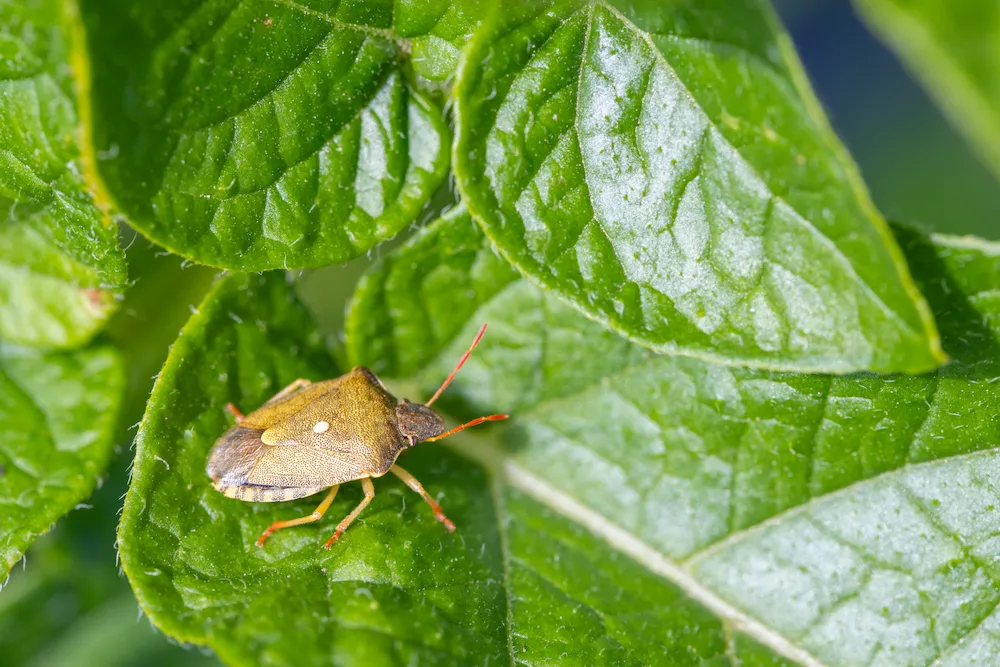
Stink bugs do not chew through leaves like caterpillars or beetles. Instead, they have piercing-sucking mouthparts that allow them to puncture plant tissue and feed on fluids inside the plant. They may target leaves, stems, fruits, seeds, and other developing plant parts.
As stink bugs feed, the affected tissue can become discolored, distorted, or damaged. Feeding on developing fruits and vegetables can be particularly frustrating because the damage may affect the appearance and quality of produce before harvest.
Multiple stink bugs feeding in the same area can increase the amount of visible damage. That makes early detection an important part of protecting garden plants.
What Plants Do Stink Bugs Target?
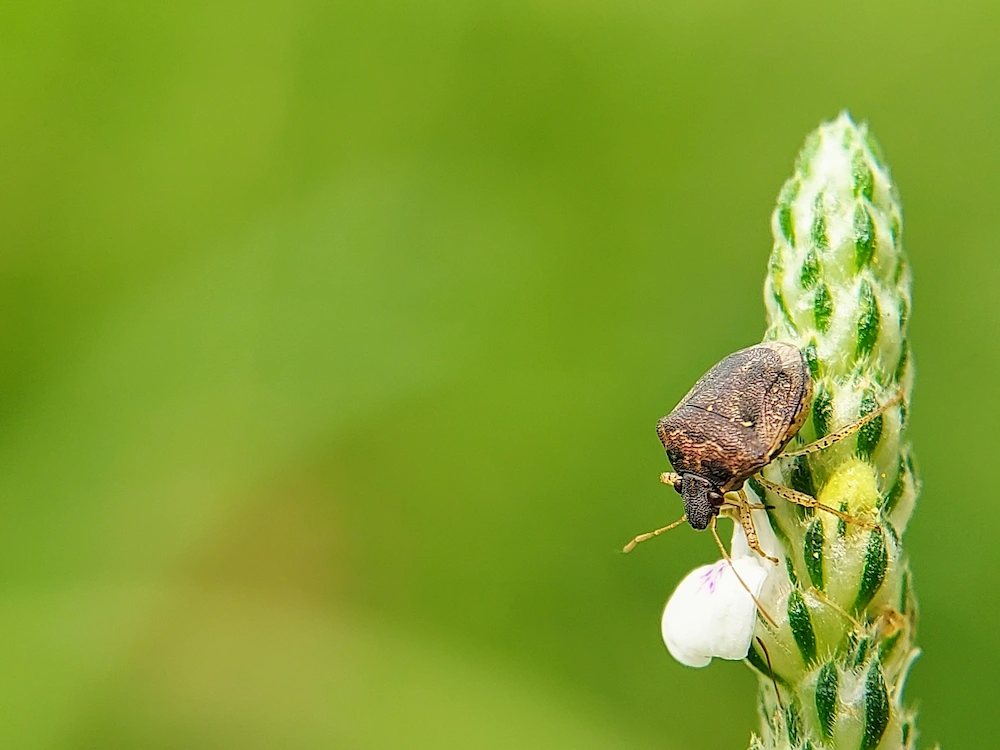
Stink bugs are not particularly picky eaters. Depending on the species, they may feed on numerous garden plants, crops, fruit trees, and ornamental vegetation. This wide diet allows them to move between different food sources as the growing season progresses.
Gardens with several types of plants can therefore provide plenty of opportunities for stink bugs to feed. Regularly checking fruits, vegetables, leaves, and stems can help homeowners notice activity before populations become more difficult to manage.
Signs of Stink Bug Damage on Plants
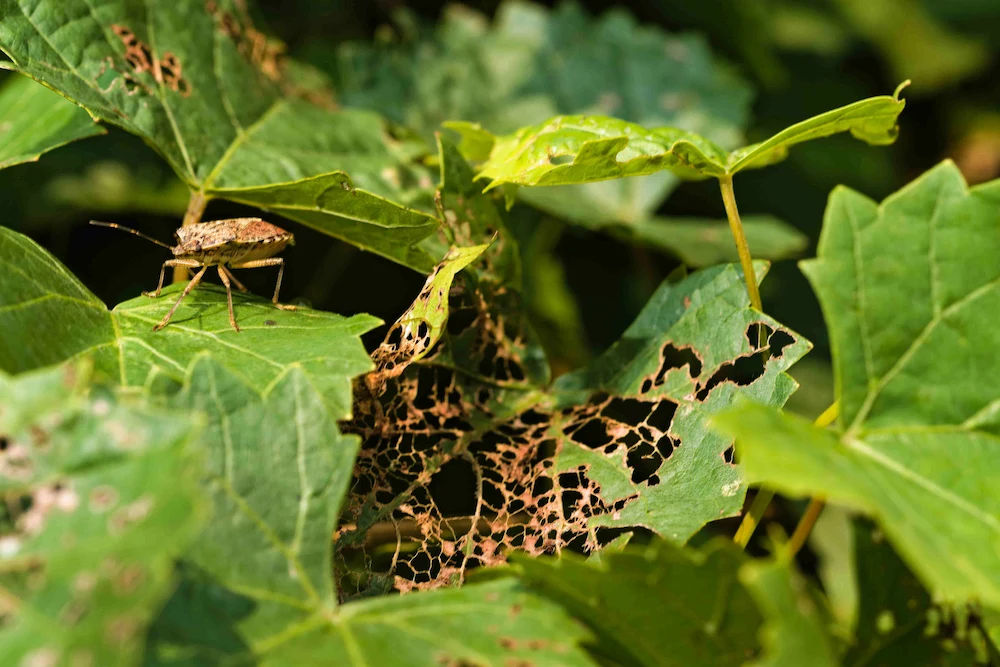
Spotting the insects themselves is one of the clearest signs of a problem, but stink bugs can move between plants and may not always be present when you inspect the damage. Looking closely at the condition of your plants can provide additional clues.
Common signs to watch for include:
- Discolored or damaged areas on fruits and vegetables
- Small puncture marks where stink bugs have fed
- Distorted or poorly developing produce
- Stink bugs or their eggs on leaves and stems
- Increasing numbers of bugs around garden plants
Not every blemish on a plant is caused by stink bugs, so identifying the pest before choosing a control method is important.
Inspect Plants Regularly
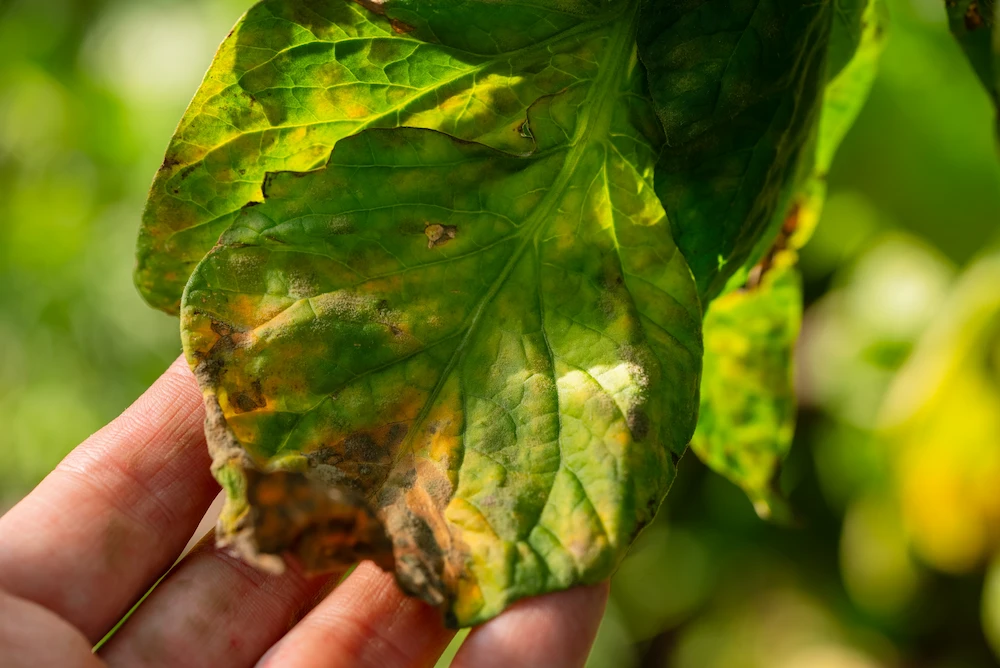
One of the easiest ways to stay ahead of stink bugs is to inspect your garden frequently. Pay particular attention to the undersides of leaves, where eggs and young stink bugs may be easier to overlook.
Early detection gives you an opportunity to address a small number of pests before activity increases. Removing stink bugs by hand may be practical in a small garden, but avoid crushing them because doing so can release their characteristic odor.
Keep an eye on plants throughout the growing season. New stink bugs can move into the garden from surrounding vegetation even after earlier pests have been removed.
Keep Weeds and Garden Debris Under Control
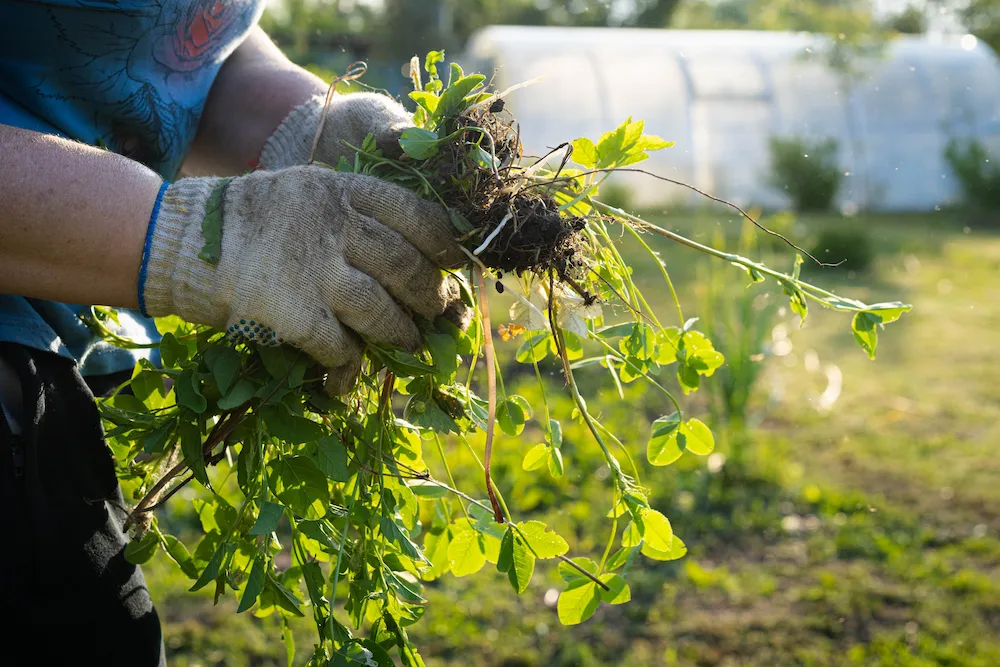
Stink bug prevention should extend beyond individual plants. Weeds, overgrown vegetation, and garden debris can provide additional places for pests to feed and hide.
Keeping garden beds tidy and removing unnecessary plant debris can make these areas less inviting. It also improves visibility, making it easier to notice stink bugs and other garden pests during routine inspections.
At the end of the growing season, cleaning up plant debris can also reduce sheltered areas around the garden where pests may spend colder months.
Use Physical Barriers When Appropriate
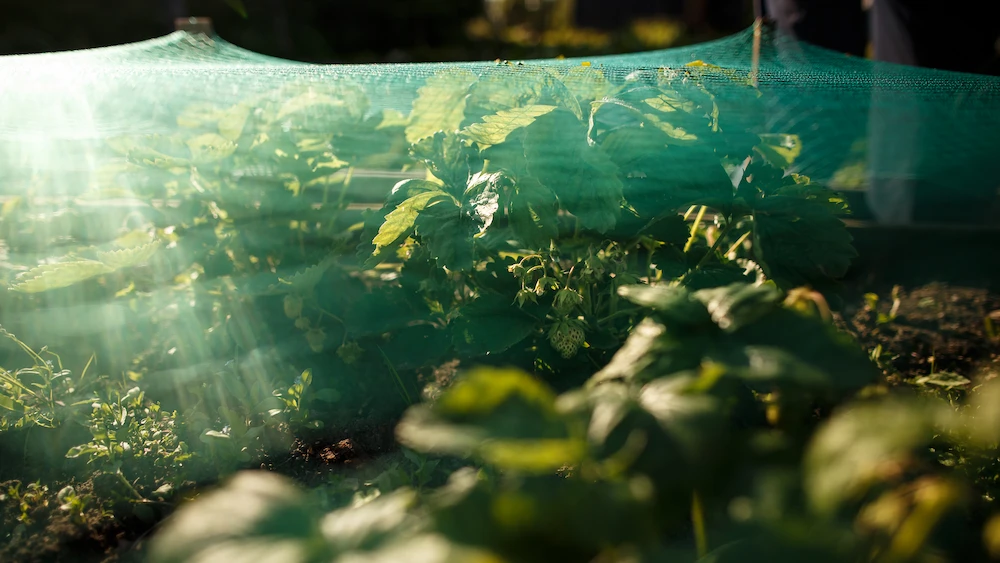
Physical barriers can provide additional protection for certain plants. Fine mesh or row covers can prevent stink bugs from reaching vulnerable crops when installed correctly.
Barriers need to be checked regularly for gaps or damage that could allow pests inside. They may also need to be removed when plants require access to pollinators, depending on what you are growing.
Combining physical protection with regular inspections provides a more proactive approach than waiting until noticeable plant damage appears.
Keep Stink Bugs From Moving Indoors
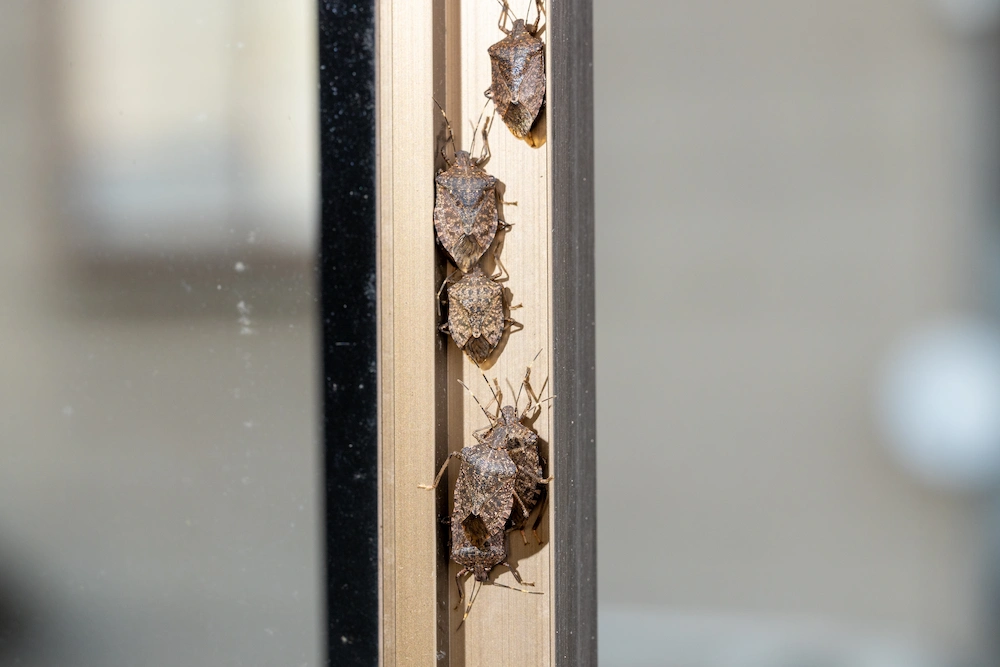
As temperatures cool later in the year, some stink bugs begin looking for protected places to spend the winter. Homes can provide the shelter they need, especially when cracks and gaps offer easy access.
Inspect windows, doors, siding, vents, and other exterior openings for potential entry points. Repairing damaged screens and sealing gaps can help keep stink bugs outside rather than allowing them to overwinter inside walls or other protected spaces.
Preventing indoor entry also reduces the number of stink bugs homeowners may encounter when temperatures begin warming again.
Protect Your Greenery Before Stink Bug Plant Damage Adds Up
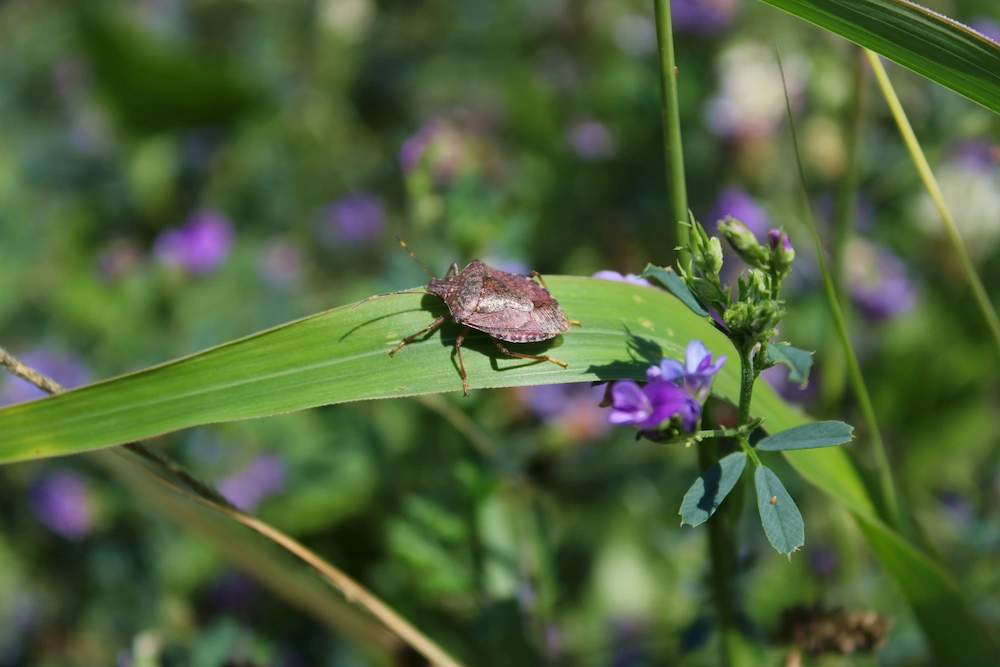
Stink bugs can be more than an unpleasant-smelling nuisance. Their feeding habits can damage fruits, vegetables, and other plants, particularly when several insects are feeding in the same garden.
Regular inspections, garden cleanup, physical barriers, and good exterior maintenance can all help reduce problems. By spotting stink bug activity early and addressing the conditions that support it, homeowners can give their plants a better chance to stay healthy throughout the growing season. Contact us for a free quote on our efficient services that protect your home inside and out!
Citations
Neveln, V. (2026, June 8). How to get rid of stink bugs and prevent their return. Better Homes & Gardens. Available at https://www.bhg.com/gardening/pests/how-to-get-rid-of-stink-bugs/ (Accessed on August 12, 2026).
Request a Free Quote Today
(We do not share your data with anybody, and only use it for its intended purpose)
