
Why Do Attics Attract Pests?
Why Do Attics Attract Pests?
Summary: Attics have a lot of attractive qualities for invasive pests. This blog discusses the attic conditions that attract insects and rodents, as well as the infestation signs and top prevention tips.
You probably do not spend much time thinking about your attic. That is exactly why pests love it. While the rest of the house is busy with lights, footsteps, and everyday noise, the attic stays quiet and undisturbed.
If you have ever heard scratching above your ceiling or found dusty droppings near an access hatch, you have already seen the problem. In this guide, we will break down why do attics attract pests, what conditions make it worse, and what to do before a small issue turns into a pricey mess.
Attics are Warm, Quiet, and Rarely Disturbed
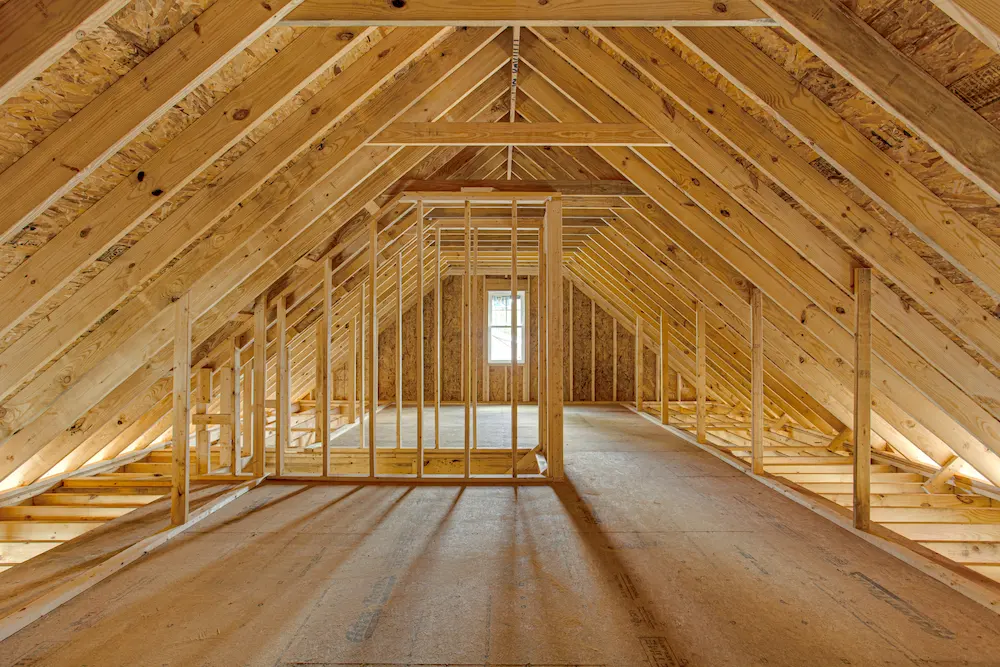
An attic is basically the most private room in the house, and it usually has the best temperature for unwanted guests. Even in cold months, heat rises from living spaces below and lingers up top. Add insulation that holds warmth, and a warm attic attracts pests like a magnet.
The other big draw is isolation. Kids are not playing up there, the dog is not patrolling it, and you are not vacuuming it every week. Those isolated attic pest problems can grow for weeks before you notice anything more than a faint scuffle at night.
Shelter Plus Nesting Materials in One Convenient Package
Pests are not picky, but they are strategic. Attic insulation, stored cardboard boxes, and old fabric create perfect nesting material. That is why you will often see chewed paper, shredded insulation, and “runways” pressed into the fluff once animals start traveling the same routes.
It is also why attics provide shelter for pests during weather swings. Heavy rain, strong winds, snow, and summer heat push critters to look for stable conditions. Your attic stays dry, protected, and predictable.
How Pests Get Into the Attic in the First Place
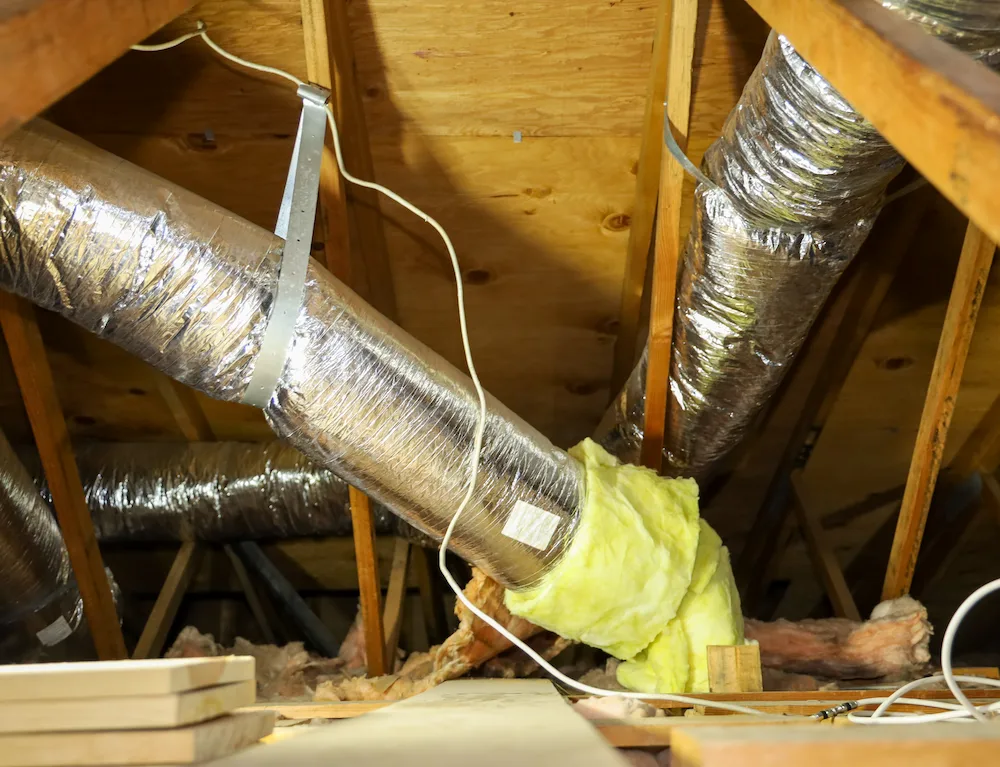
Most infestations start outside, then turn into an indoor problem through one small opening. Pests follow scent trails, travel along fence lines, climb downspouts, and use roof edges like highways. Once they find a gap, they rarely waste the opportunity.
The tricky part is that the entry points are often above eye level. You can have a perfectly sealed basement and still have an attic issue because the problem is up near the roofline.
Common Attic Entry Points to Check
- Gable and soffit vents with damaged screens
- Gaps around plumbing stacks, cables, and roof flashing
- Loose fascia boards, warped roof decking, or missing shingles
- Chimney gaps and uncapped vents
If you are seeing repeat activity, it is worth scheduling a professional inspection. Pointe Pest Control can identify weak spots and help you build a plan that targets both the pests and the access points. For homes dealing with rats or mice, our team also offers dedicated rodent control services.
Why Rodents Nest in Attics More Than You Would Think

When people picture rodents, they usually imagine basements, garages, or alleyways. But if you have ever wondered why rodents nest in attics, it comes down to safety and resources. Attics are elevated, hidden, and harder for predators to reach.
Rodents also like consistent travel paths. They will use rafters, joists, and wall voids as routes between food sources and nest sites. Once they establish a nest, they can move in and out through the same opening with surprising speed.
Rodents Are Not the Only Attic Invaders
Even if your current issue is mice, the conditions that attract them can also attract other pests. In Illinois, attics may draw insects that follow warmth, moisture, or food smells, along with occasional wildlife like squirrels. If you suspect wildlife larger than a rat or mouse, it is best to contact a wildlife specialist for humane removal.
Regardless of the species, the pests in attic causes almost always come back to the same basics: shelter, warmth, and access.
The Damage Pests Can Cause Above Your Ceiling
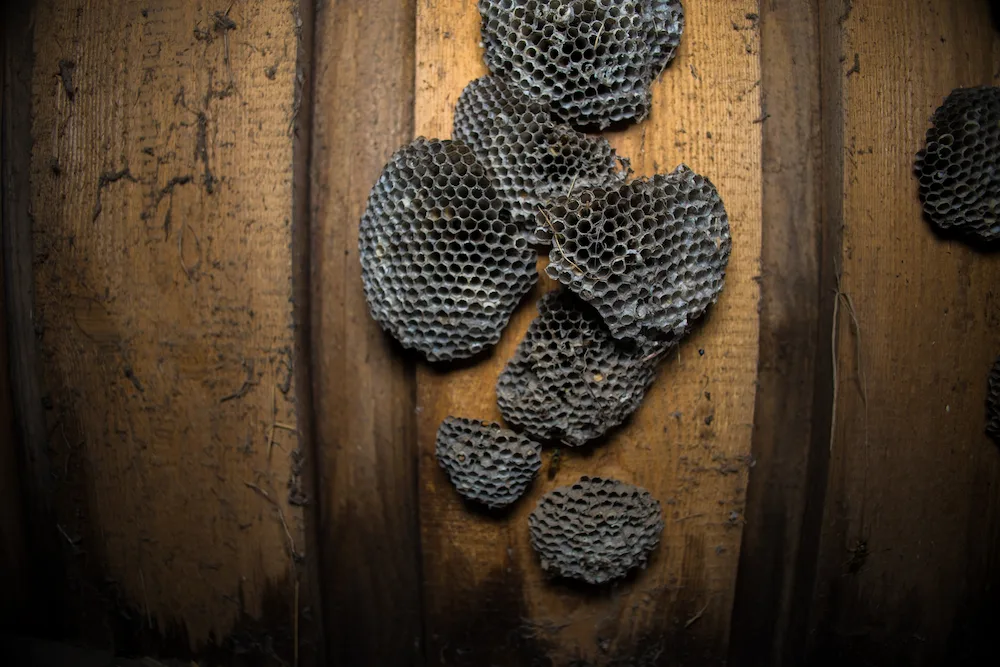
An attic infestation is not just annoying. It can damage the parts of your home that are expensive to replace. Rodents may chew wiring, contaminate insulation, and leave droppings that spread odors through the HVAC system. Stinging pests can attach their nests to the beams and walls of an attic, giving their colony additional protection as they grow.
Insulation damage is especially common. When insulation is compressed or removed for nests, your home loses efficiency. That can mean higher heating and cooling costs, drafts, and hot or cold spots that never seem to go away.
Signs Your Attic has Unwanted Guests
- Scratching, scurrying, or thumping sounds at night
- Droppings, urine stains, or strong musty odors
- Chewed insulation, gnaw marks on wood, or damaged ducting
- Rub marks along beams or near entry points
If you notice any of these signs, it is smart to act quickly. The longer pests stay, the more time they have to reproduce, expand, and turn a small issue into a full infestation.
A Practical Prevention Plan that Actually Works

Attic prevention is not about one “magic” product. It is about making your attic less comfortable and less accessible. Start by addressing moisture, since even small leaks can create conditions that support insects and encourage nesting.
Next, reduce what pests can use. Store items in sealed plastic bins instead of cardboard. Keep insulation in good condition, and do not leave pet food or bird seed in areas where pests can smell it.
When to Call a Professional
If you have repeated activity, visible droppings, or you cannot locate the entry point, it is time to bring in help. A professional can confirm what species is present, recommend safe treatment options, and point out structural issues that keep inviting pests back.
If you are in the Chicagoland area and want a local team that focuses on smart, safe, and effective solutions, you can learn more about our local pest control options in West Chicago.
Final thoughts
Attics are attractive to pests because they offer warmth, privacy, and plenty of nesting material. Once a pest finds a way in, the attic gives it everything it needs to stay hidden and comfortable.
If you suspect attic activity, the best next step is to address it early. With the right inspection, exclusion, and targeted treatment, you can protect your home and get back to quiet nights. Contact us for a free quote on our efficient services today!
Citations
Common attic bugs, insects, & pests. (n.d.). Pest World. Retrieved December 22, 2025, from https://www.pestworld.org/pest-in-the-house/attic/
Request a Free Quote Today
(We do not share your data with anybody, and only use it for its intended purpose)
