
Chicago Isn’t the Rattiest City Anymore, But Rats Are Still a Problem
Chicago Isn’t the Rattiest City Anymore, But Rats Are Still a Problem
Summary: Chicago’s rat ranking may have changed, but local rodent pressure is still strong. This post explains what draws rats in, how to seal common entry points, and when to call a pro.
Chicago finally got a little relief in the headlines when Los Angeles took the No. 1 spot on Orkin’s annual “rattiest cities” list. That shift is real, but it does not mean rats packed up and moved west. A city with alleys, dense housing, construction, and plenty of food waste will always have rodent pressure.
The good news is that you can do a lot with the right habits and a few smart home upgrades. This guide covers practical prevention steps, plus when it makes sense to bring in help when rodents keep showing up.
Chicago May Not Be No. 1, But the Conditions Are Still Here
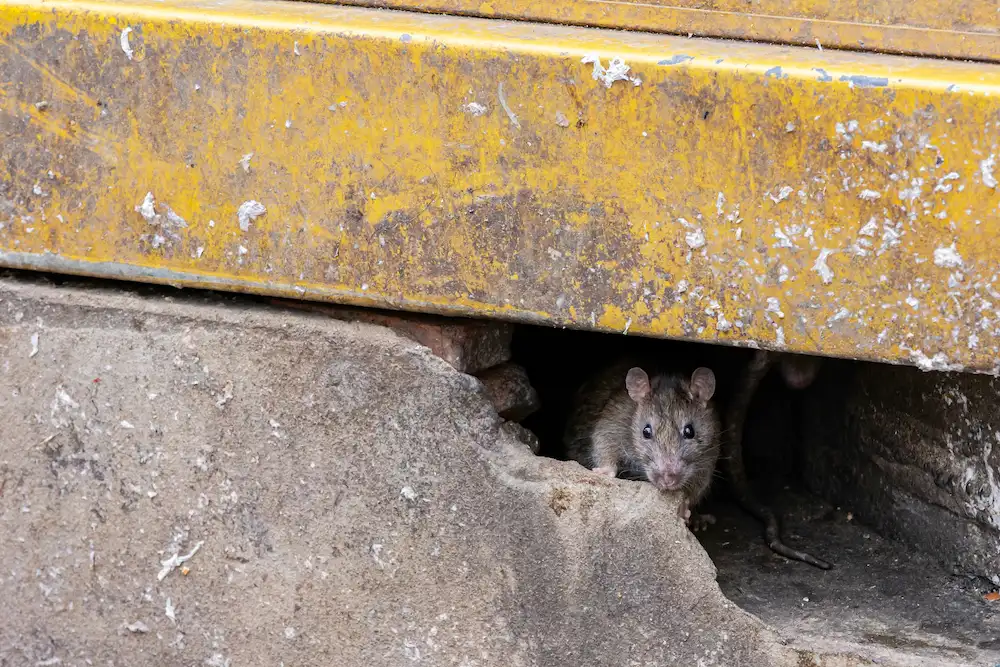
Rankings change, but rodent behavior does not. Rats follow warmth, shelter, and easy meals. In a big city, those needs are met by overflowing dumpsters, cluttered storage spaces, and small openings around foundations, utility lines, and older doors and windows.
Chicago also has something rats love: cover. Alleys, landscaping against the house, and stacked materials in yards create hidden travel routes. Even if your street looks clean, rats can move block to block through connected food and shelter sources, especially when the weather turns cold and they start looking for stable indoor heat.
The Rat Issues Chicago Homeowners Keep Running Into
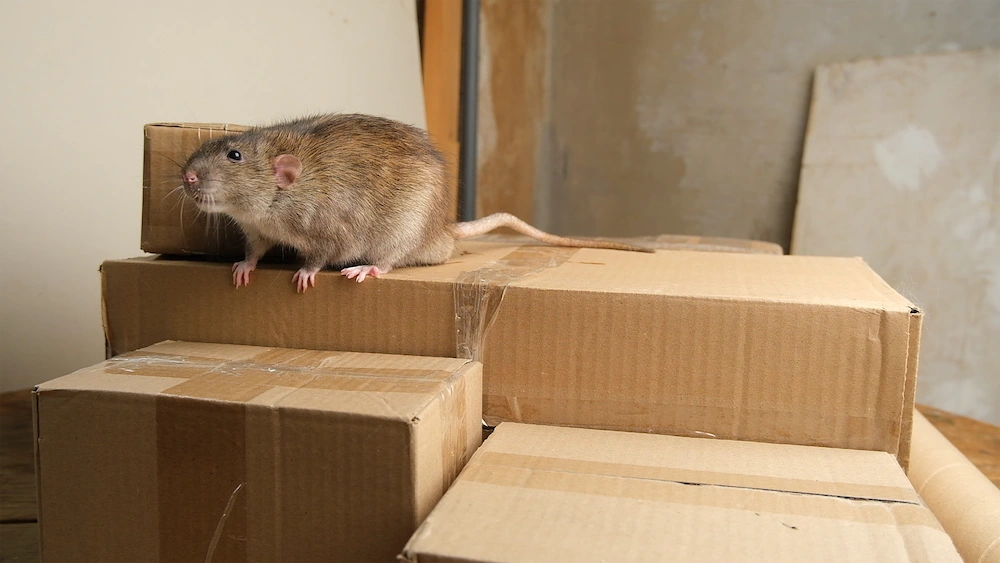
Rats are not just a “gross” problem. They chew, contaminate, and multiply quickly. In many neighborhoods, the issues show up in the same places, even in well-kept homes.
Here are a few common rodent problems in Chicago that we see again and again:
- Burrowing near foundations, porches, and sidewalk edges where soil is easy to move
- Activity around trash and recycling areas, especially if lids do not seal tightly
- Gnaw marks on stored items in garages, sheds, and basements
- Noises in walls or ceilings at night, plus droppings in corners or along pipes
These signs often get worse after a few weeks of ignoring them. A single gap behind a stove or a loose vent cover can turn into a steady indoor route once rats learn it is safe. That is why early action matters, even if you only saw one rat or a couple of droppings.
How to Reduce Rodent Pressure in Dense Neighborhoods

If you want fewer rodents, your goal is simple: remove the “three needs” and block access. That means food control, habitat reduction, and exclusion. The best results come from doing a few small steps consistently, instead of one big cleanup once a year. If you are looking for how to prevent rats in urban areas, this is the core formula.
Start with your outdoor setup. City trash areas are ground zero for rodents, and they are often easy to improve. Tighten your routine around garbage night, keep lids closed, and avoid leaving bags next to the bin. If you compost, use a sealed container and skip meat, grease, and dairy.
Inside, focus on storage and access. Rats love quiet, undisturbed zones like basements, crawl spaces, and utility rooms. Use sturdy plastic totes with locking lids, keep cardboard to a minimum, and avoid letting storage pile directly against walls where droppings can go unnoticed.
Seal the Gaps That Let Rats In
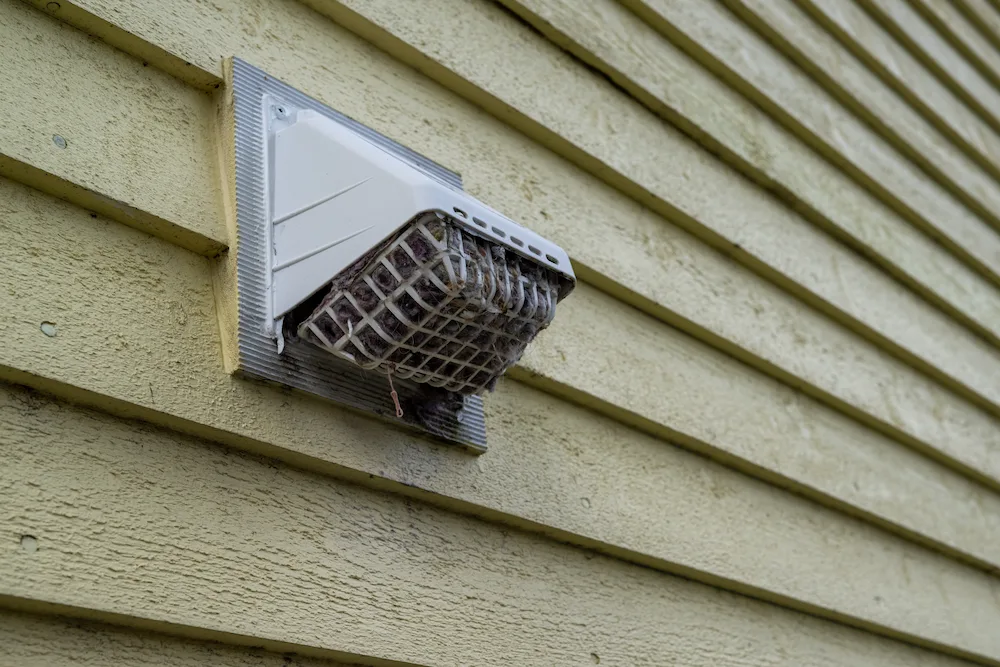
Sanitation helps, but exclusion is what changes the game. When you are focused on keeping rats out of city homes, sealing access points is the step that pays off the most. Rats can squeeze through surprisingly small openings, and they will test the same weak spots over and over until they get in.
Pay attention to the “usual suspects” around your home’s exterior. Check where pipes enter the house, around AC lines, near dryer vents, under door thresholds, and along garage door corners. Older brick and foundation lines can also develop gaps that are easy to miss until you look closely.
A practical exclusion checklist looks like this:
- Repair or replace damaged door sweeps and tighten weather stripping
- Cover exterior openings with rodent-resistant materials, not foam alone
- Screen and secure vents, including attic, bathroom, and dryer vents
- Trim vegetation away from the structure so rats have fewer hidden routes
- Store pet food in sealed containers and clean feeding areas daily
If you want help beyond DIY, Pointe offers rodent control services that focus on inspection, targeted treatment, and prevention steps that fit your property.
When It’s Time to Call a Pro

There is a big difference between “I saw a rat by the dumpster” and “I have rats living in the building.” If you are seeing repeated activity, hearing movement at night, or finding droppings in more than one area, it is time to get a professional set of eyes on the problem.
Chicago rodent control services are most effective when they start with a full inspection. A technician looks for entry points, tracks, burrows, rub marks, and the places rats feel safe. From there, treatment is combined with a prevention plan so you are not stuck in a loop of short-term fixes.
If you are dealing with recurring rodent pressure, Pointe can help with a plan that fits your home and neighborhood. Learn more about pest control in Chicago and schedule an inspection when you are ready.
A Cleaner Setup Today Means Fewer Rodents Tomorrow
Rats are a city reality, even if the rankings say Chicago is not No. 1 anymore. The difference between a quick sighting and a long-term issue usually comes down to daily habits and small building details that are easy to overlook.
When you focus on food control, clutter reduction, and entry point sealing, you make your home a much tougher target. And if the problem is already established, professional rodent prevention in Chicago can shorten the timeline and help you avoid repeat invasions. Contact us for a free quote today!
Citations
Rats in Chicago. (n.d.). Chicago: Streets and Sanitation. Retrieved February 12, 2026, from https://www.chicago.gov/city/en/depts/streets/provdrs/rodent/svcs/rats_in_chicago.html
Speer, F. (2020, October 23). Preventing rodents from becoming a problem in your home. Clark Pest Control. Available at https://www.clarkpest.com/residential-service-blog-old/preventing-rodents-in-your-home (Accessed on February 12, 2026).
Request a Free Quote Today
(We do not share your data with anybody, and only use it for its intended purpose)
