
Which Ants Bite Humans? A Guide to Ant Species That Bite
Which Ants Bite Humans? A Guide to Ant Species That Bite
Summary: Some ant species bite or sting when threatened. Learn which ants bite humans, how to identify them, and practical steps homeowners can take to avoid ant bites and infestations.
Ants are one of the most common insects found around homes, yards, and public spaces. Most species are harmless and simply forage for food without interacting with people. However, some species can bite when they feel threatened or when their nests are disturbed. Understanding which ants bite humans can help homeowners identify potential problems and know when pest control may be needed.
Many people ask, do ants bite humans, especially after noticing small red marks or irritation following outdoor activities. While not every ant species bites, several common ants in the United States are capable of biting or stinging as a defense mechanism. Learning how to recognize these ants and avoid disturbing their nests is an important step in preventing uncomfortable encounters.
Do Ants Bite Humans?
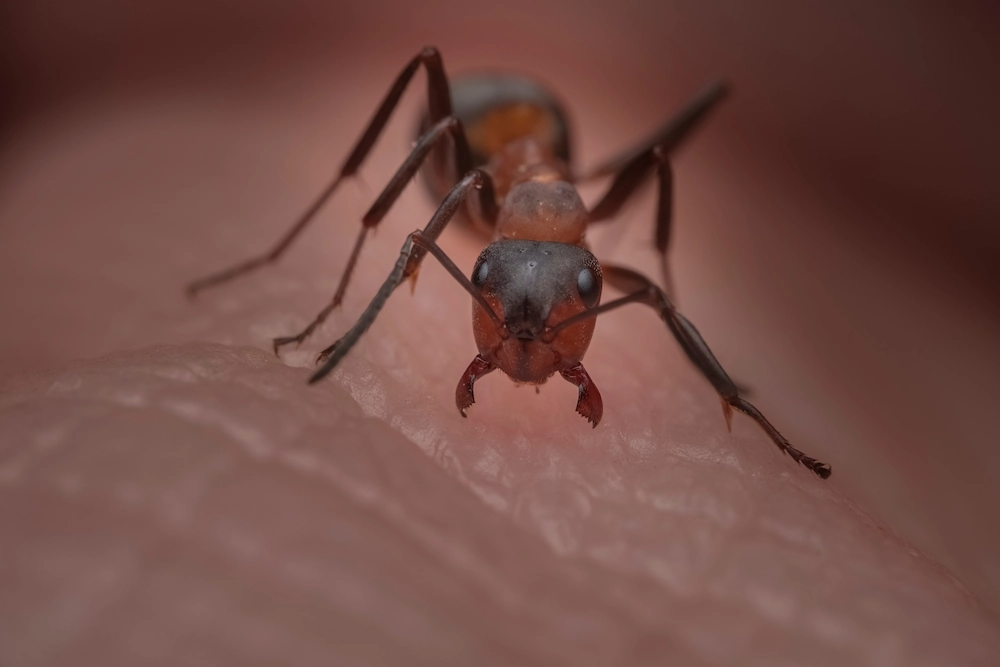
The short answer is yes, some ants can bite humans. Ant bites usually happen when a person accidentally disturbs a colony or gets too close to a nest. Ants use their mandibles, which are strong jaws, to grab or pinch skin as a form of defense. In certain species, the bite is followed by a sting that injects venom.
For most people, bites from ants result in mild irritation, redness, or itching that fades within a few hours. However, some species cause more painful reactions or noticeable swelling. This is why many homeowners are curious about ants that bite humans and how to identify them before they become a recurring problem around the home.
Common Ant Species That Bite Humans
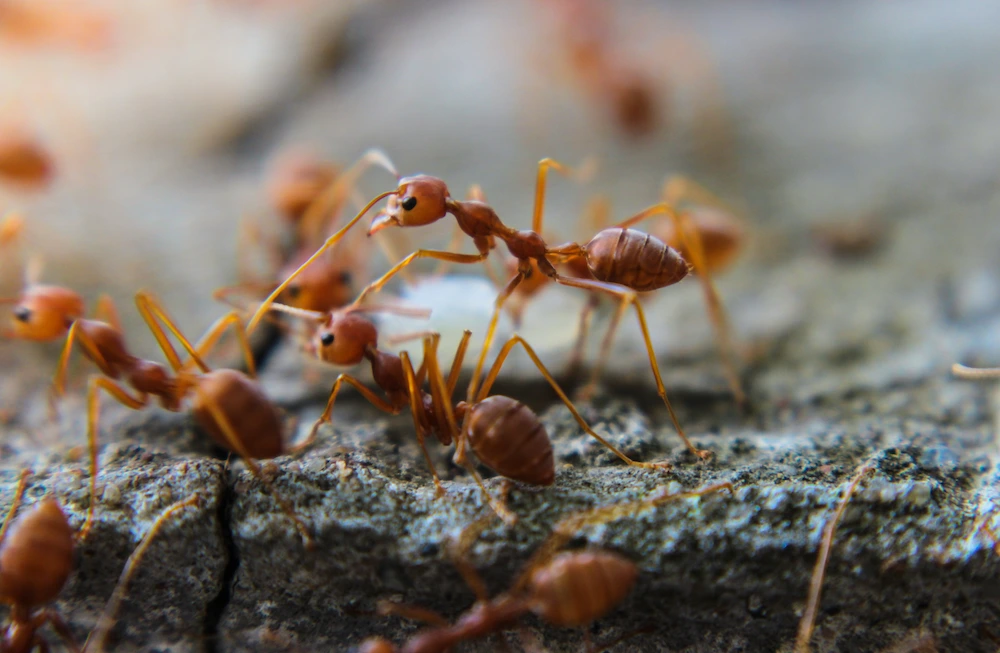
Several types of ants found in North America can bite or sting people. These species typically bite when their nests are disturbed, especially in yards, gardens, or near building foundations.
Some of the most common ant species that bite humans include:
- Fire ants – Known for aggressive behavior and painful stings that cause burning sensations and raised bumps.
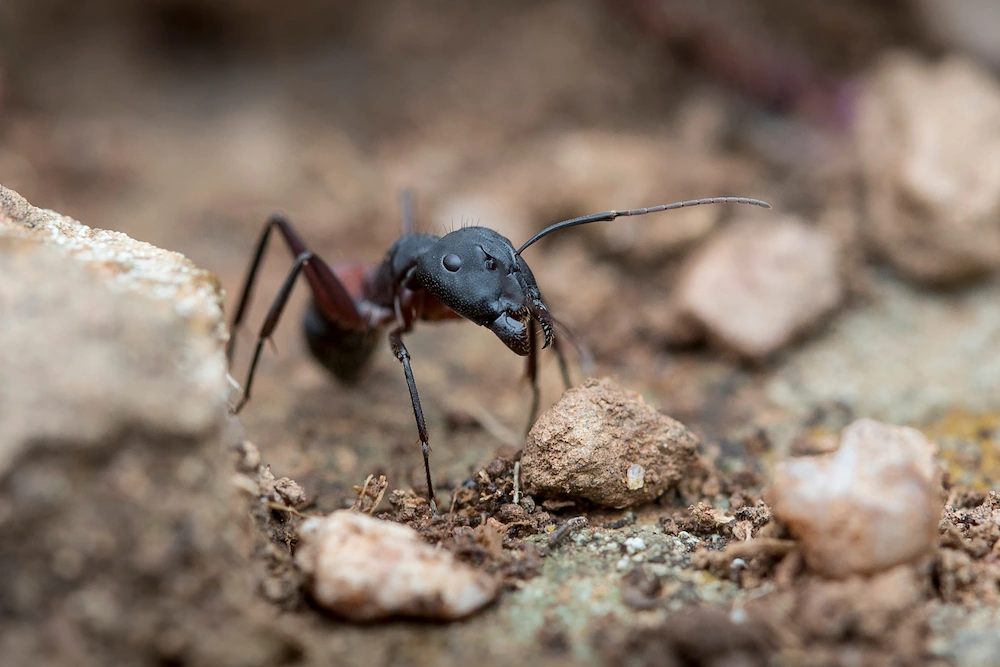
- Carpenter ants – Large ants that can bite if handled or threatened, though they rarely sting.
- Harvester ants – These ants can deliver painful stings and are often found in dry soil areas.
- Pavement ants – Generally mild but may bite if their nests in sidewalks or driveways are disturbed.
- Field ants – Sometimes bite when defending their mound-style nests in lawns or fields.
While bites from many species are minor, repeated encounters with these ants can be uncomfortable and indicate a nearby colony.
What Ants Bite Humans Most Often Around Homes?
When homeowners search for what ants bite humans, the answer often depends on the region and environment. Fire ants are among the most notorious biting and stinging ants in many parts of the United States, especially in warmer climates. Their colonies can grow quickly and become aggressive when disturbed.
Carpenter ants are another species that homeowners encounter frequently. Although they are better known for damaging wood structures, they can also bite if handled or trapped against skin. Their bites are not usually severe, but their presence inside a home can signal structural pest issues that should be addressed quickly.
Outdoor species such as field ants or pavement ants may also bite when people step near their nests. Because these colonies often appear along sidewalks, patios, and garden beds, accidental contact can easily happen during normal outdoor activities.
How to Avoid Ant Bites Around Your Property
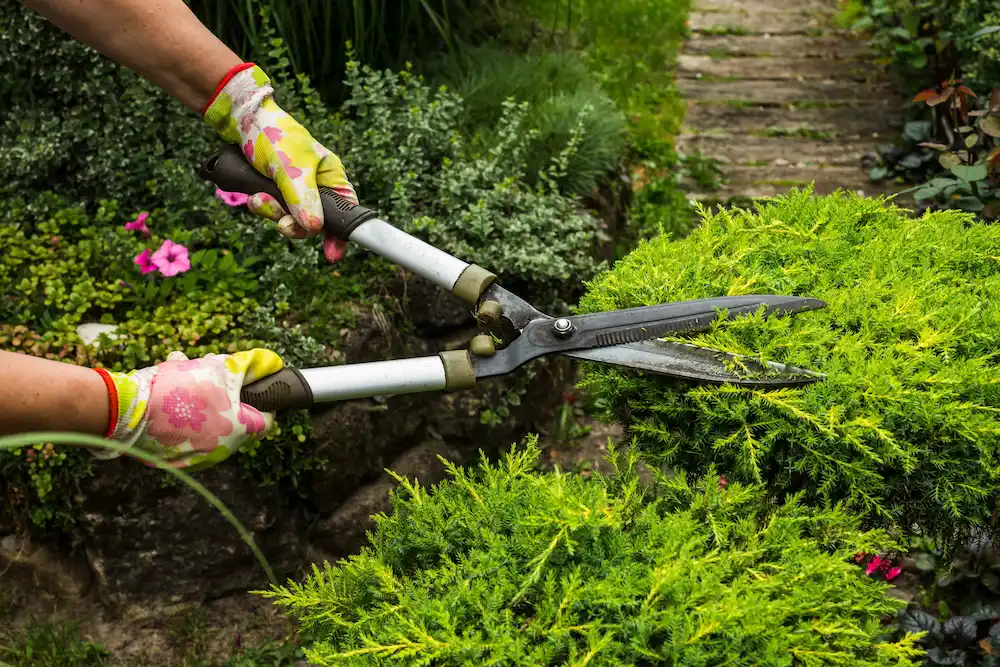
Reducing ant activity around your home can greatly lower the chances of being bitten. Most ant bites occur when colonies are disturbed, so minimizing nesting opportunities near your home is an effective prevention strategy.
Homeowners can reduce the presence of ants that can bite you by following a few practical steps:
- Keep outdoor eating areas clean and remove food scraps quickly
- Seal cracks around doors, windows, and foundations where ants may enter
- Trim vegetation away from the house to limit nesting areas
- Store food in sealed containers and clean kitchen surfaces regularly
- Address visible ant trails or nests before they expand
These simple prevention habits can make your property less attractive to ants and reduce the likelihood of bites during everyday activities.
When Ant Bites Become a Pest Control Concern
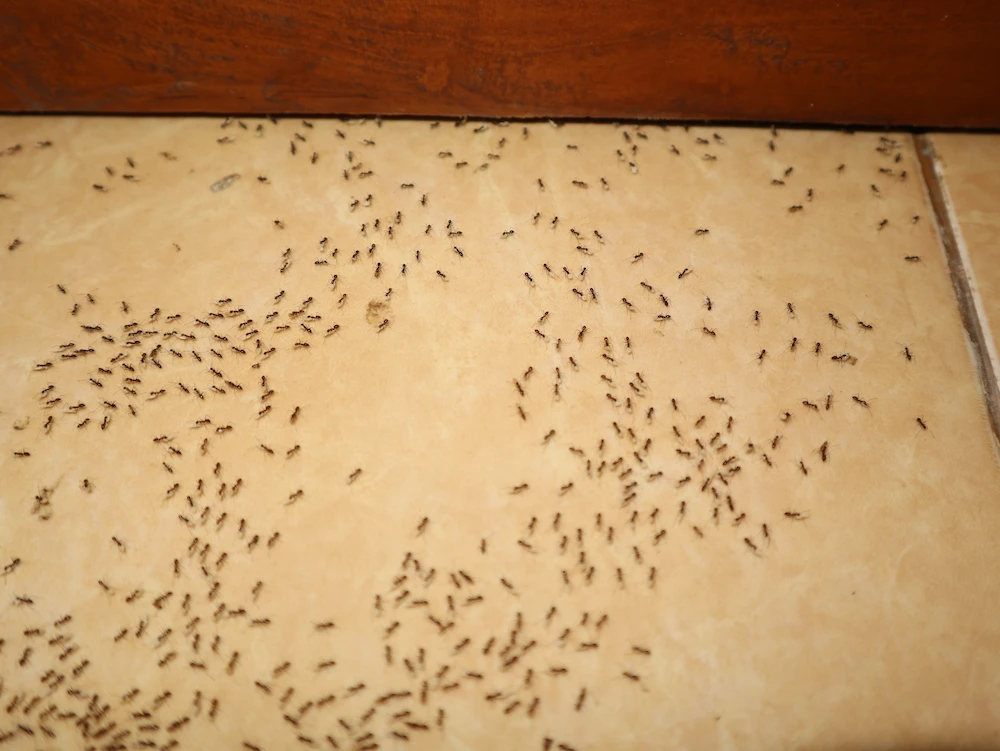
A single ant bite outdoors is usually not a serious issue. However, frequent encounters with biting ants may indicate an established colony close to your home. In these cases, it may be helpful to identify the species and determine where the nest is located.
Professional pest control services can inspect your property, locate active nests, and recommend targeted treatments that help prevent future infestations. Proper identification is important because different species require different control methods, especially when dealing with aggressive or persistent colonies.
Understanding Ant Behavior Helps Prevent Bites
Ants play an important role in the ecosystem, but certain species can cause discomfort when they bite or sting humans. Knowing which ants bite humans helps homeowners recognize potential risks and take preventive steps before ant populations grow.
By keeping your property clean, limiting nesting areas, and addressing early signs of activity, you can greatly reduce interactions with biting ants. When colonies become persistent or difficult to control, professional pest management can provide long term protection and peace of mind. Contact us for a free quote on our effective ant control services today!
Citations
Ant bite symptoms, treatment, and prevention. (2025, March 18). Terminix. Retrieved March 16, 2026, from https://www.terminix.com/ants/bites/
Request a Free Quote Today
(We do not share your data with anybody, and only use it for its intended purpose)
