
6 Termite Myths Exposed: Busting Common Misconceptions About Termites
6 Termite Myths Exposed: Busting Common Misconceptions About Termites
Summary: Many homeowners believe outdated information about termites. This guide exposes six common termite myths and explains the real facts about termite behavior and prevention.
Termites are among the most misunderstood pests that homeowners face. Because they often work silently behind walls and under floors, it is easy for misinformation to spread about how they behave and how infestations happen. Many homeowners rely on outdated or incorrect information, which can delay proper treatment and allow damage to worsen.
Understanding the truth behind common termite myths can help homeowners make better decisions about prevention and pest control. By separating termite myths and facts, it becomes much easier to recognize early warning signs and respond quickly if a problem develops.
Why Termite Myths Are So Common
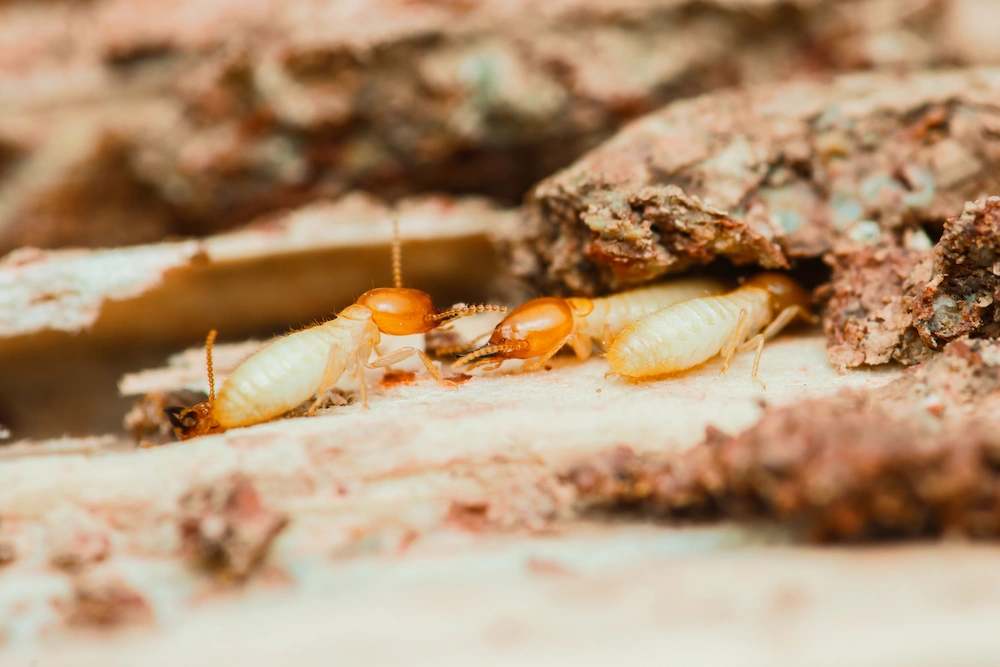
Part of the reason termite misconceptions persist is that most infestations happen out of sight. Unlike ants or cockroaches, termites spend much of their time inside wood, soil, or hidden structural spaces. Because homeowners rarely see them directly, assumptions often replace accurate information.
Another reason is that termites are often confused with other insects, especially flying ants. When homeowners notice winged insects indoors, they may not realize they are seeing termite swarmers that signal a nearby colony. Understanding termite facts vs myths can make a significant difference when it comes to early detection.
Myth #1: Termites Only Live in Old Homes

One of the most common termite myths is that termites only attack older homes or buildings with existing damage. In reality, termites are attracted to cellulose materials such as wood, paper, and cardboard, which exist in nearly every home regardless of age.
New construction can still be vulnerable if termites find moisture sources or access points around the foundation. Even modern homes with treated lumber can experience termite activity if preventative steps are not taken. Age alone does not determine whether a home is at risk.
Myth #2: Termites Are Easy to Spot
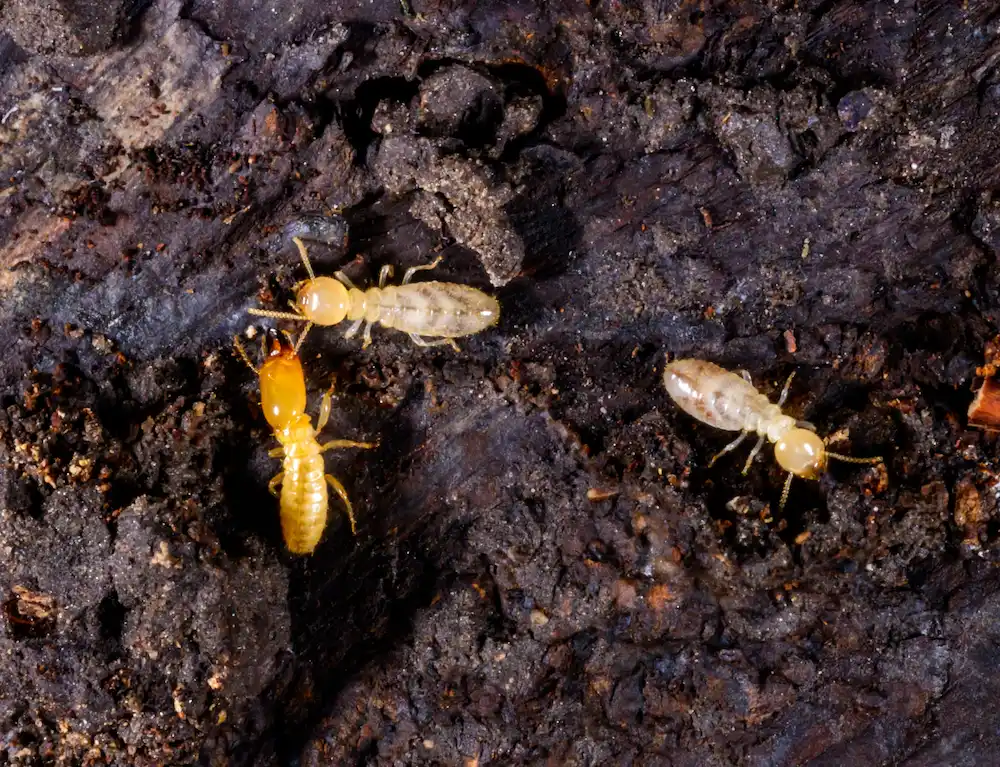
Many people assume they would notice termites right away. Unfortunately, termites are experts at staying hidden. They often enter structures through small cracks in foundations and create mud tubes that allow them to travel between soil and wood while remaining protected.
Because of this behavior, infestations may continue for months or even years before they become visible. Homeowners may first notice subtle warning signs such as hollow sounding wood, discarded wings, or bubbling paint. These signs often appear only after significant activity has already occurred.
Myth #3: Termites Only Cause Minor Damage
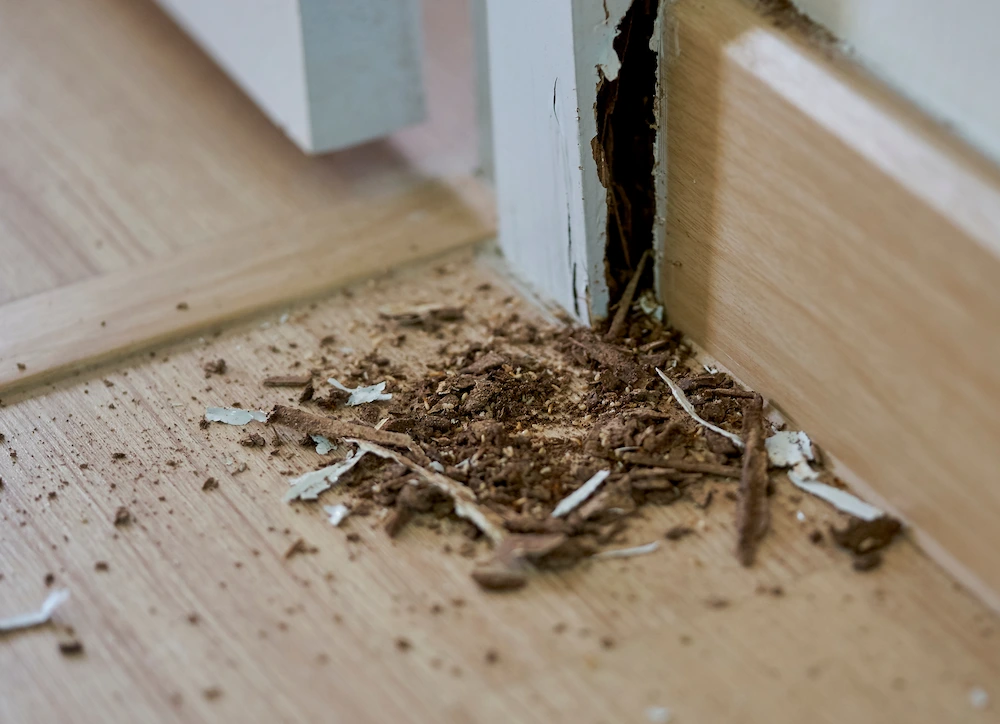
Some homeowners believe termite activity is a minor nuisance. In reality, termites are responsible for billions of dollars in structural damage each year. Their colonies feed continuously, which means damage can grow quickly if a colony is left untreated.
Over time, termites can weaken floor supports, wall studs, and other structural components. Because they consume wood from the inside out, the damage may remain hidden until it becomes severe. This is why professional inspections are often recommended in areas where termites are common.
Myth #4: DIY Solutions Always Work
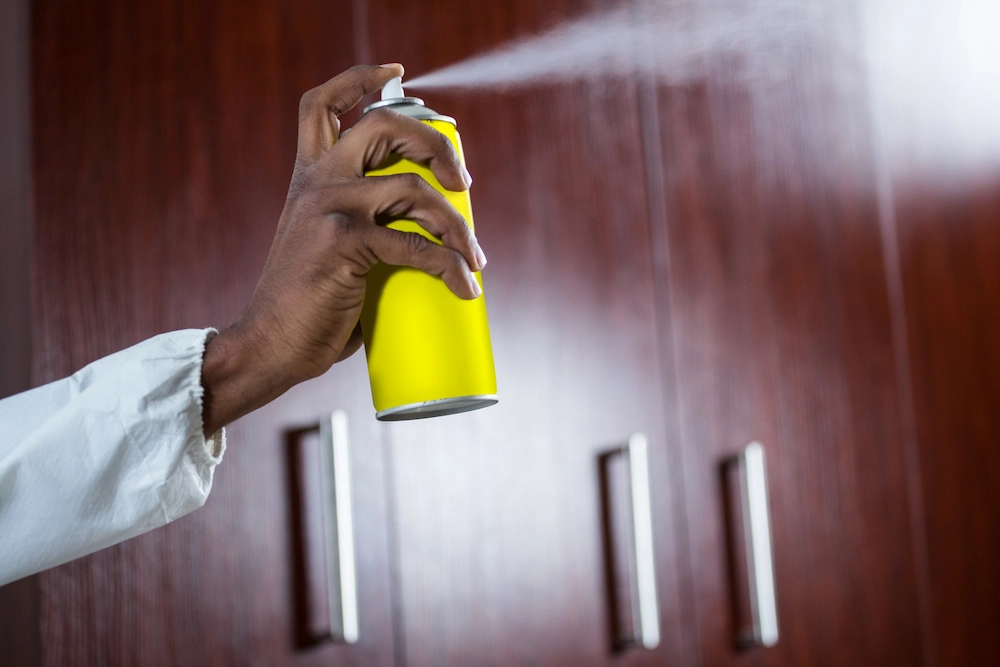
Another widespread belief is that store-bought sprays or home remedies can eliminate termites permanently. While some products may kill visible insects, they rarely address the full colony hidden underground or within walls.
Effective treatment usually requires identifying the colony and applying targeted control methods. Professional pest management services use specialized techniques designed to reach termites where they live and prevent re-infestation. Relying only on temporary fixes can allow colonies to continue spreading.
Myth #5: Termites Only Live Underground
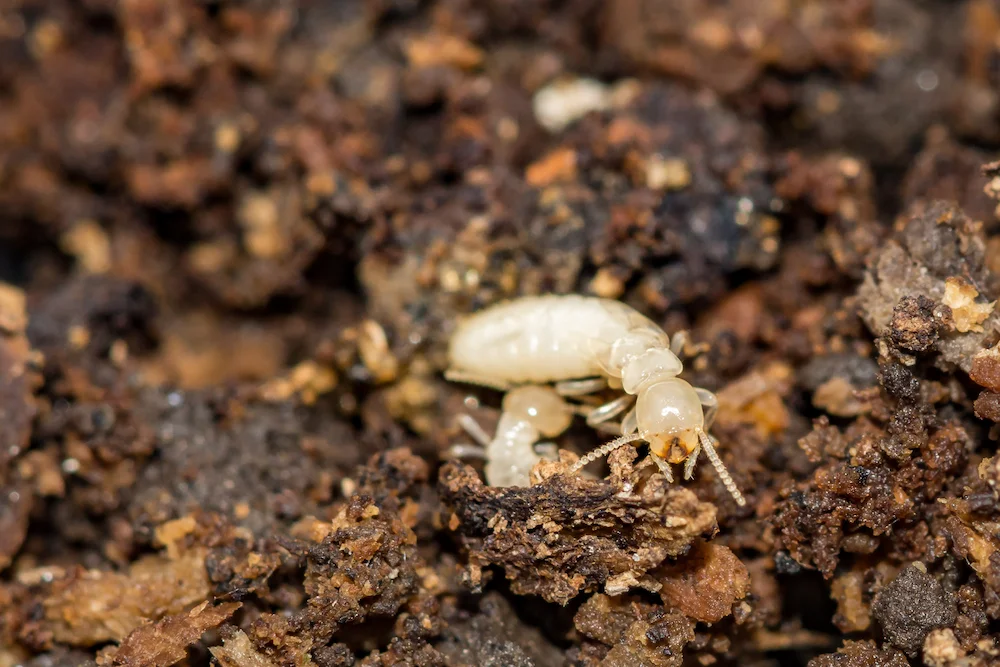
While subterranean termites are among the most common species in many areas, they are not the only type of termite that exists. Drywood termites, for example, can live entirely within wood structures without needing contact with soil.
This means termites may establish colonies in furniture, wall framing, or attic beams. Understanding termite myths and facts helps homeowners realize that termite activity can occur in multiple parts of a structure, not just near the ground.
Myth #6: A Home Without Wood Is Safe

Some homeowners believe their property is safe if it contains little exposed wood. However, termites can still enter structures through structural lumber, flooring materials, or wood used during construction.
Termites may also feed on other cellulose based materials found inside homes. Items such as cardboard boxes, paper products, and certain insulation materials can attract termites if conditions allow colonies to reach them.
Preventing Termite Problems Around Your Home

Although termite infestations can cause serious damage, there are practical steps homeowners can take to reduce their risk. Preventive maintenance and regular inspections are important parts of protecting a home.
Helpful prevention practices include:
- Keeping wood piles and debris away from the house
- Fixing leaks and reducing moisture around foundations
- Sealing cracks or gaps where termites might enter
- Scheduling periodic professional inspections
These steps can help limit the conditions that attract termites and allow homeowners to detect activity earlier.
Understanding Termite Facts vs Myths Helps Protect Your Home
Misunderstandings about termites can delay action and allow infestations to grow unnoticed. By learning the truth behind myths about termites, homeowners can recognize risks earlier and take appropriate preventive steps.
Accurate information is one of the most valuable tools in pest prevention. When homeowners understand termite misconceptions and the real behaviors of these insects, they are better prepared to protect their homes and respond quickly if termite activity appears. Contact us for a free quote on our reliable termite services today!
Citations
Termite facts and control tips. (2025, March 4). Pest Control Technology. Retrieved March 11, 2026, from https://www.pctonline.com/article/facts-tips/
Request a Free Quote Today
(We do not share your data with anybody, and only use it for its intended purpose)
