
Spring Pests That Are Waking Up as Temperatures Rise
Spring Pests That Are Waking Up as Temperatures Rise
Summary: Spring brings warmer temperatures that trigger insect activity around homes and yards. Learn about common spring pests and how to prevent seasonal infestations.
As temperatures begin to warm and days grow longer, many insects that were dormant during winter start becoming active again. This seasonal shift leads to an increase in spring pests around homes, yards, and gardens. While the arrival of spring is welcome after colder months, it also signals the return of insects searching for food, shelter, and places to reproduce.
Understanding which pests are most active during this time of year can help homeowners prepare before problems begin. Many pests that appear in spring start emerging as soon as the soil warms and humidity levels rise, making early prevention an important step in protecting your property.
Why Pest Activity Increases in Spring
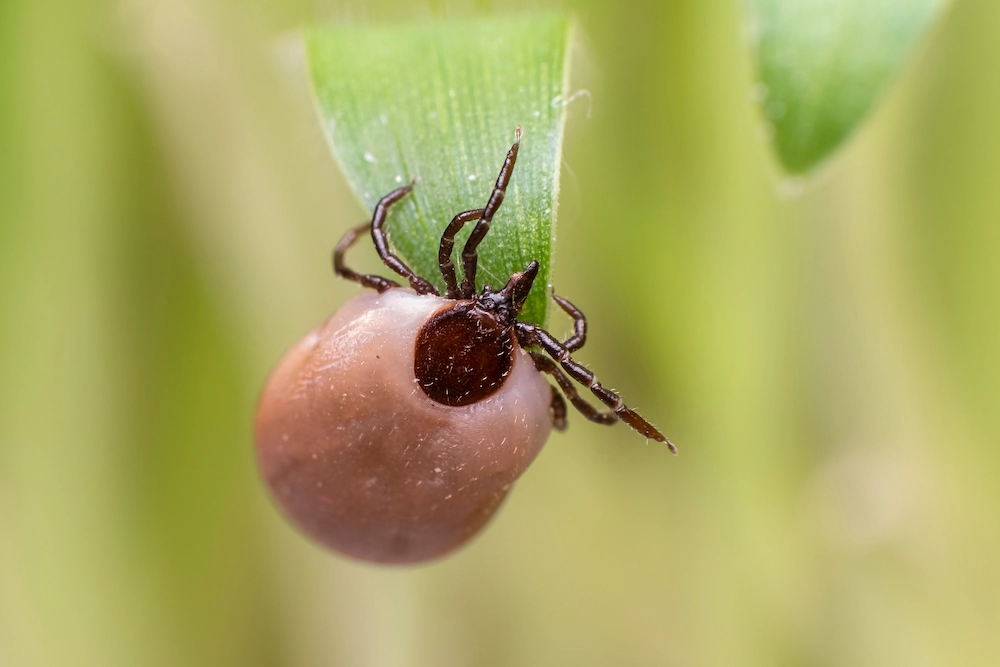
Spring brings the environmental conditions many insects need to survive and reproduce. Warmer temperatures encourage dormant insects to wake up, while increased moisture and new plant growth provide the resources they rely on. This combination leads to noticeable increases in spring insect activity both outdoors and sometimes inside homes.
Another reason pests become more noticeable in spring is that many insects begin searching for food and nesting areas. After months of limited movement during colder weather, insects that come out in spring often explore new environments as they expand their colonies or begin their breeding cycles.
Ants: One of the Most Common Spring Pests
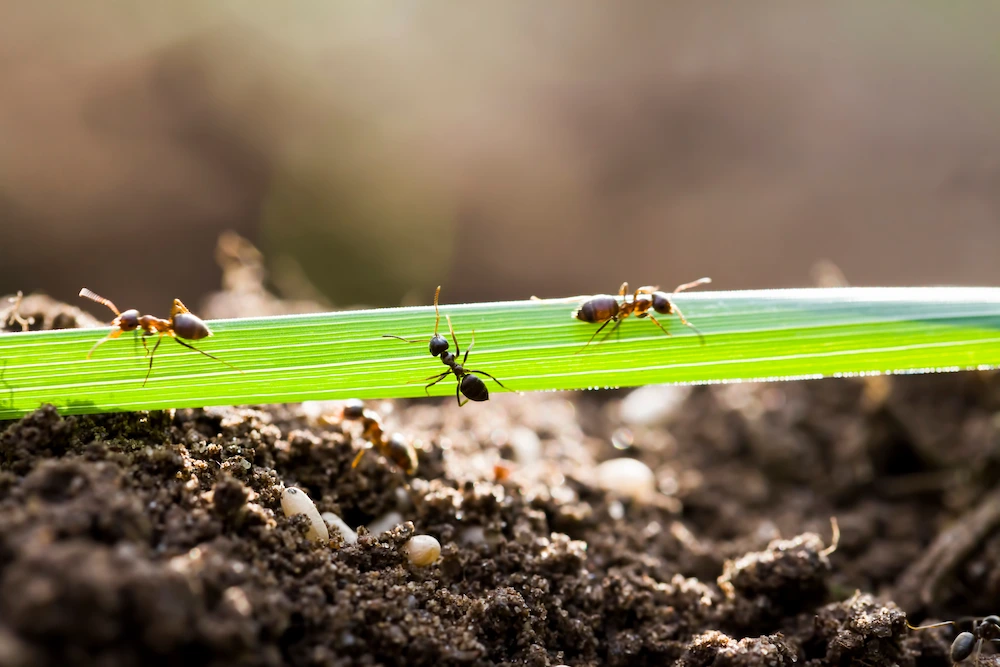
Ants are among the most common spring pests homeowners encounter. As temperatures rise, ant colonies become active again and begin sending worker ants out to search for food. These ants often follow scent trails that lead them into kitchens, pantries, and other areas where food sources may be available.
Once ants establish a trail inside a home, the problem can grow quickly. Even small crumbs or spills can attract large numbers of worker ants. Early detection and cleaning food surfaces regularly can help reduce the chances of ants settling indoors.
Stink Bugs Emerging From Winter Hiding Spots
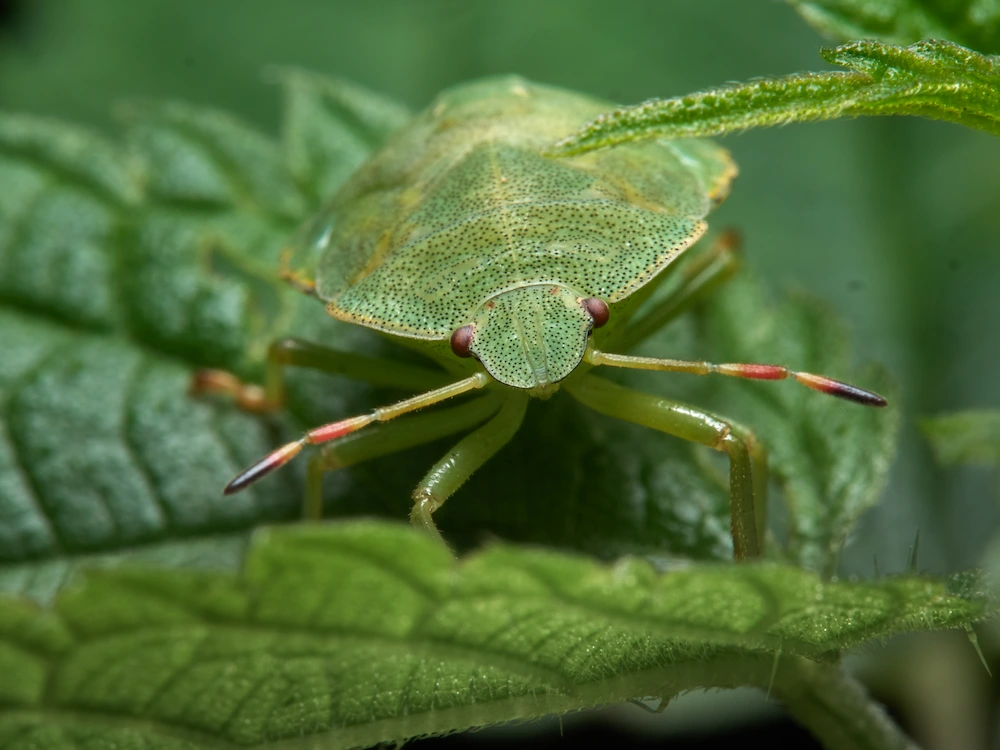
Stink bugs are another pest that becomes noticeable when spring arrives. During winter, these insects often hide inside walls, attics, and other protected areas to survive cold temperatures. When the weather warms, they begin to emerge from these hiding spots and move toward outdoor environments again.
Homeowners sometimes see stink bugs near windows or light fixtures during early spring. These insects are usually trying to find their way back outside after spending the winter indoors. While they are not known for biting people, they can release an unpleasant odor when disturbed.
Stinging Insects Begin Building Nests
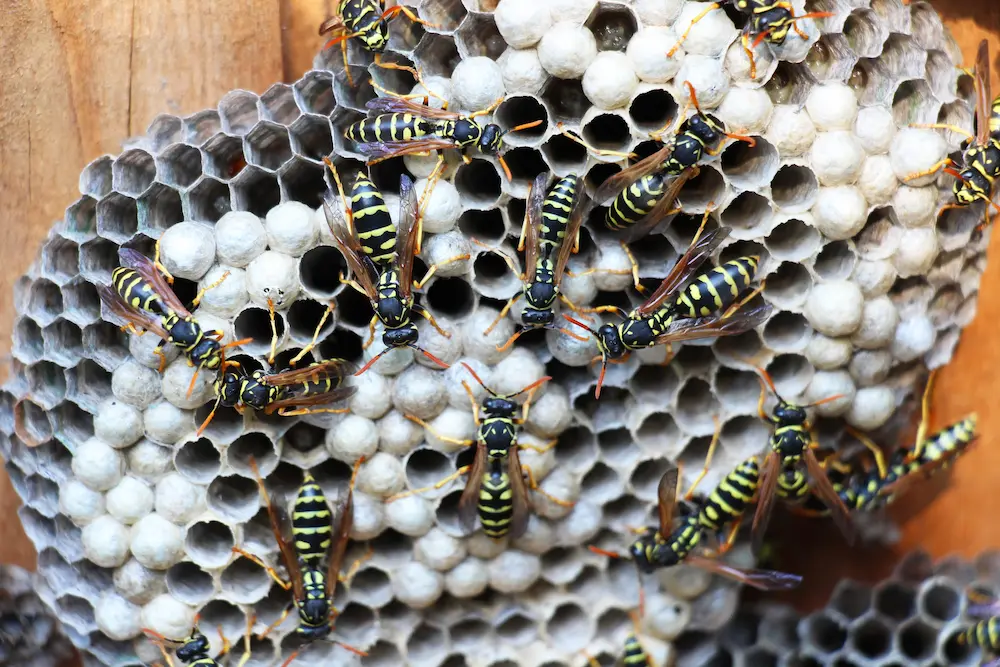
Spring is also the time when many stinging insects start establishing new colonies. Queens that survived the winter emerge and begin searching for protected areas where they can build nests. Common nesting sites include roof overhangs, tree branches, sheds, and other sheltered structures.
Early spring nests are usually small, but they can grow rapidly as worker insects begin to develop. Monitoring areas around your home for early nest activity can help prevent larger infestations later in the season.
Other Pests Active in Spring
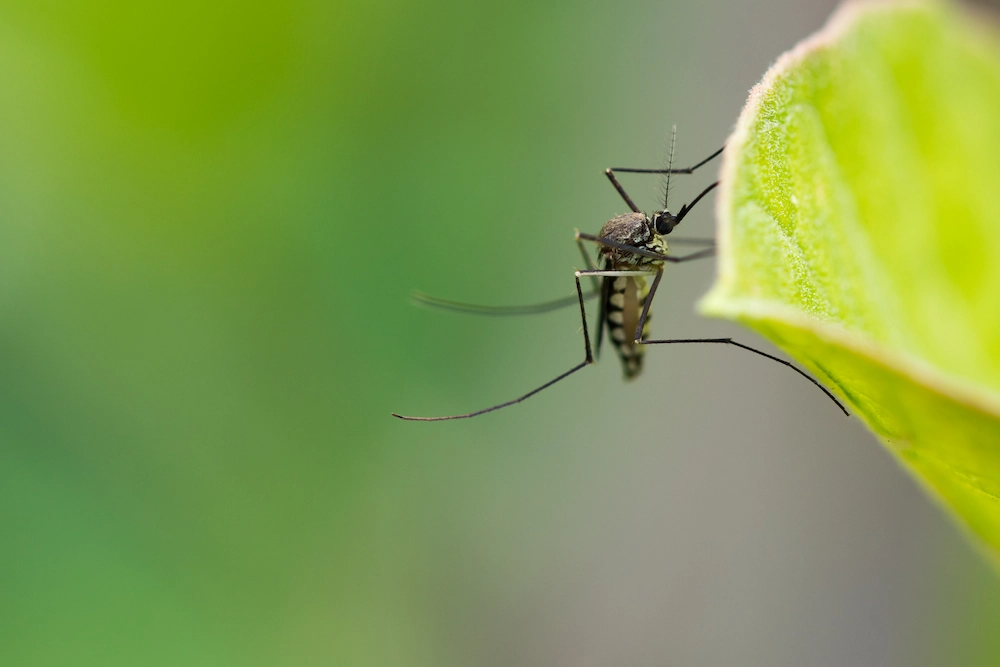
Several other insects also become more noticeable during this time of year. Increased warmth and moisture create ideal conditions for many pests to begin their seasonal activity.
Some of the pests active in spring include:
- Termites, which may swarm as colonies begin reproducing
- Mosquitoes, which start breeding in standing water as temperatures rise
- Spiders, which become more visible as they hunt emerging insects
- Beetles that leave winter hiding places to search for food
These insects are often among the most common spring pests that homeowners notice when outdoor temperatures consistently begin to climb.
Preventing Spring Pest Problems

Although seasonal pest activity is natural, there are steps homeowners can take to reduce the chances of infestations. Prevention focuses on limiting food sources, sealing entry points, and keeping areas around the home clean and well maintained.
Helpful prevention steps include:
- Sealing cracks and gaps around doors, windows, and foundations
- Removing standing water where mosquitoes may breed
- Storing food in sealed containers and cleaning spills quickly
- Keeping landscaping trimmed away from the home
Taking these steps early in the season can help reduce pest populations before they grow larger during warmer months.
Staying Ahead of Spring Insect Activity
Spring is a time of renewed activity in nature, and insects are no exception. From ants searching for food to stinging insects starting new colonies, many pests become active as temperatures rise.
Recognizing the signs of insects that come out in spring can help homeowners respond quickly and prevent larger infestations. With proper maintenance and early prevention strategies, it is possible to manage seasonal pest activity and enjoy the warmer months with fewer unwanted visitors. Contact us for a free quote on our efficient services today!
Citations
El Damir, M. (Dr.). (2020, March 13). Guide to spring pests. Pest Control Technology. Available at https://www.pctonline.com/article/guide-to-spring-pests/ (Accessed on March 12, 2026).
Request a Free Quote Today
(We do not share your data with anybody, and only use it for its intended purpose)
