
How Professional Pest Control Prevents Invasive Pests
How Professional Pest Control Prevents Invasive Pests
Summary: Professional pest control stops invasive pests by catching early signs, sealing entry points, and using targeted treatments and monitoring to prevent spread.
Some pests are just passing through. Others move in, multiply fast, and start causing problems before you even know what you are dealing with. That is what makes invasive pests so frustrating. By the time you spot a few ants in the kitchen or hear a scratch in the wall, there may already be a bigger issue behind the scenes.
The goal of professional pest control for invasive pests is not just reacting to what you see today. It is about getting ahead of the problem with inspections, prevention work, and treatments that stop new invaders before they spread throughout your home.
Why Invasive Pests Take Hold So Quickly
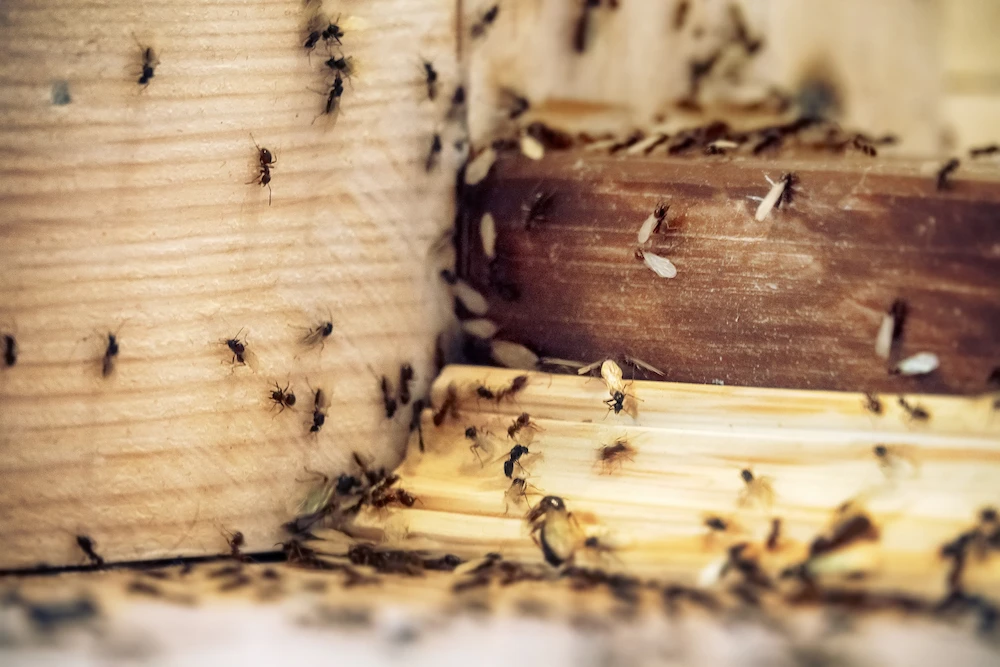
In Illinois, invasive pests do not always arrive in dramatic ways. A few can hitch a ride in a box, slip in through a cracked door sweep, or follow plumbing lines into a warm basement. Once they find food, water, and shelter, they settle in and start expanding their territory.
What makes these pests especially difficult is that many of them stay hidden. Roaches prefer tight spaces behind appliances. Rodents can nest in insulation. Termites and ants can work inside walls. Even outdoor invaders can build up in mulch, leaf piles, or along the foundation and then push inside when the weather shifts. Without invasive pest prevention, a small problem can become a repeat issue season after season.
Early Detection: The Advantage You Do Not Get From DIY

Most homeowners notice pests when activity is obvious, like droppings in a pantry or a line of ants on a counter. A trained technician looks for earlier signals that are easy to miss, including entry points, moisture issues, nesting material, and the subtle signs of feeding or travel.
This is where early pest detection and prevention changes the timeline. Instead of waiting for a full infestation, a professional service visit can identify the conditions that allow pests to get established in the first place. That approach is a big part of how pest control prevents infestations in homes that have had recurring problems in the past.
During a detailed inspection, a technician may check:
- Exterior gaps around doors, windows, utility lines, and vents
- Moisture sources like leaks, condensation, and damp crawl spaces
- Hotspots such as garages, basements, attics, and kitchen voids
- Early activity signs like grease marks, frass, rub marks, or droppings
Proactive Prevention: Exclusion, Sanitation, and Smart Adjustments
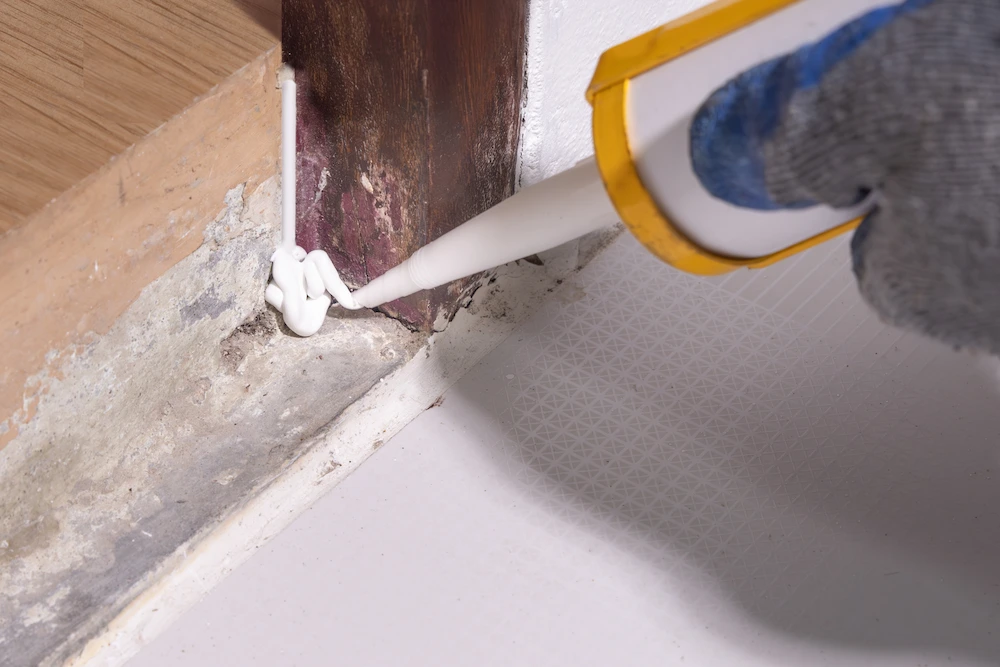
Treatments matter, but prevention is often what keeps invasive pests from gaining momentum. When a technician finds where pests are entering or nesting, the next step is to reduce those opportunities. This is where proactive pest control services can feel different from a one time spray and hope approach.
Exclusion work can include sealing gaps, improving door sweeps, and targeting areas where pests routinely sneak in. On the exterior, it can also mean adjusting what is touching the house. Overgrown shrubs, stacked firewood, and dense ground cover can create a protected pathway for pests to travel from yard to structure.
A good prevention plan may also involve simple changes that make a big difference:
- Store food, including pet food, in sealed containers and clean up crumbs quickly
- Reduce moisture by fixing leaks and using ventilation in bathrooms and basements
- Keep clutter down in storage areas so pests have fewer places to hide
Targeted Treatments and Monitoring That Stop Spread
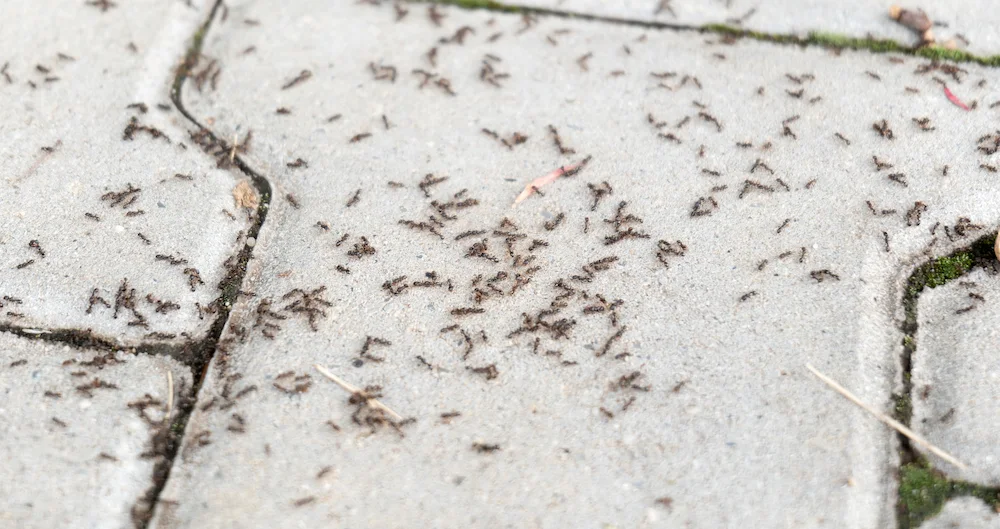
Once a professional identifies the pest pressure and the likely entry routes, the treatment can be targeted and efficient. Instead of treating everywhere, technicians focus on where pests live, travel, and breed. That matters with invasive pests because stopping the source is what slows the population growth.
Ongoing service also helps with stopping invasive pests before they spread. Regular visits allow a technician to monitor changes, refresh protective barriers, and respond quickly if activity shows up again. That is especially helpful in Illinois where pest pressure can swing with seasons, temperature, and rainfall.
If you are dealing with specific high risk invaders, professional help is even more important. For example, termites can cause damage out of sight, and rodents can contaminate storage areas and damage wiring. Pointe offers specialized options like termite control services and rodent control services to address these issues with a plan that matches the pest and the property.
What to Expect From a Professional Visit
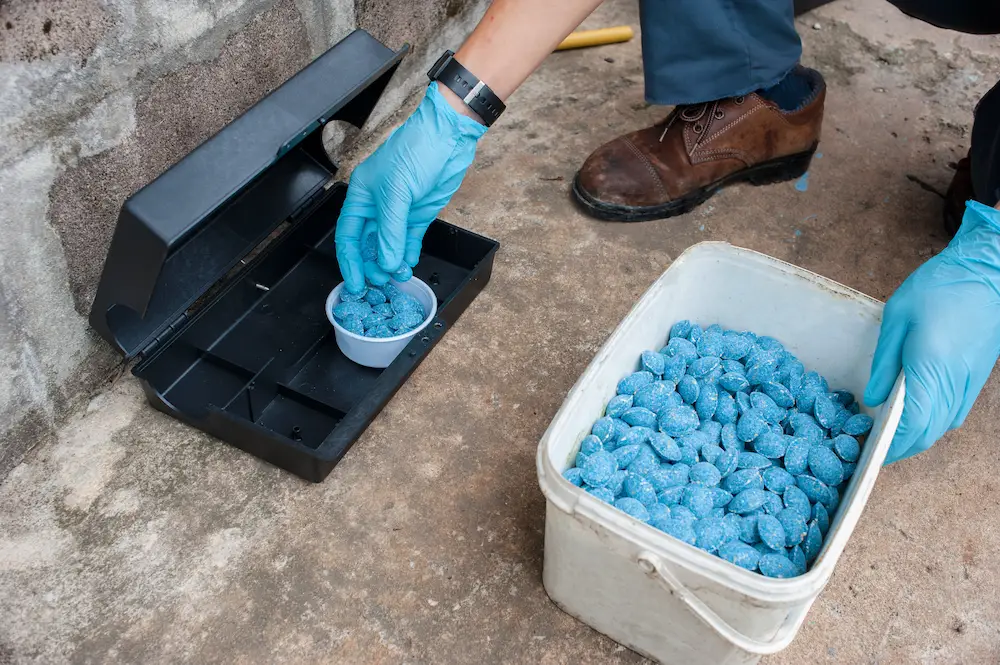
If you have never had routine service, you might assume pest control is just a quick perimeter spray. In reality, a quality program is a mix of inspection, treatment, and prevention guidance. Your technician should explain what they found, what they treated, and what steps will help you keep the results going.
The most effective programs also set expectations. Pest pressure can drop quickly, but a home that has easy access points or steady moisture problems may need a few visits and follow through. The good news is that this process builds long term protection. When you combine service with maintenance, you create a home that is simply harder for pests to invade.
Keep Invasive Pests From Getting a Head Start
If you are noticing new pest activity, the earlier you act, the easier it is to control. Take note of where you are seeing activity, what time of day it happens, and any recent changes like heavy rain, remodeling, or new landscaping. Those details help a technician track down the source faster. To solve the pest problem, the technician needs to target the source with the proper treatments.
Whether you are dealing with an active issue or you just want year round protection, the right plan focuses on prevention first and treatment second. That is how you keep invasive pests from settling in, and how you avoid chasing the same problem over and over again. Contact Pointe Pest Control to schedule an inspection and keep your home protected through every season.
Citations
How pest control can work for you. (n.d.). Terminix. Retrieved February 10, 2026, from https://www.terminix.com/pest-control/how-pest-control-works/
Request a Free Quote Today
(We do not share your data with anybody, and only use it for its intended purpose)
